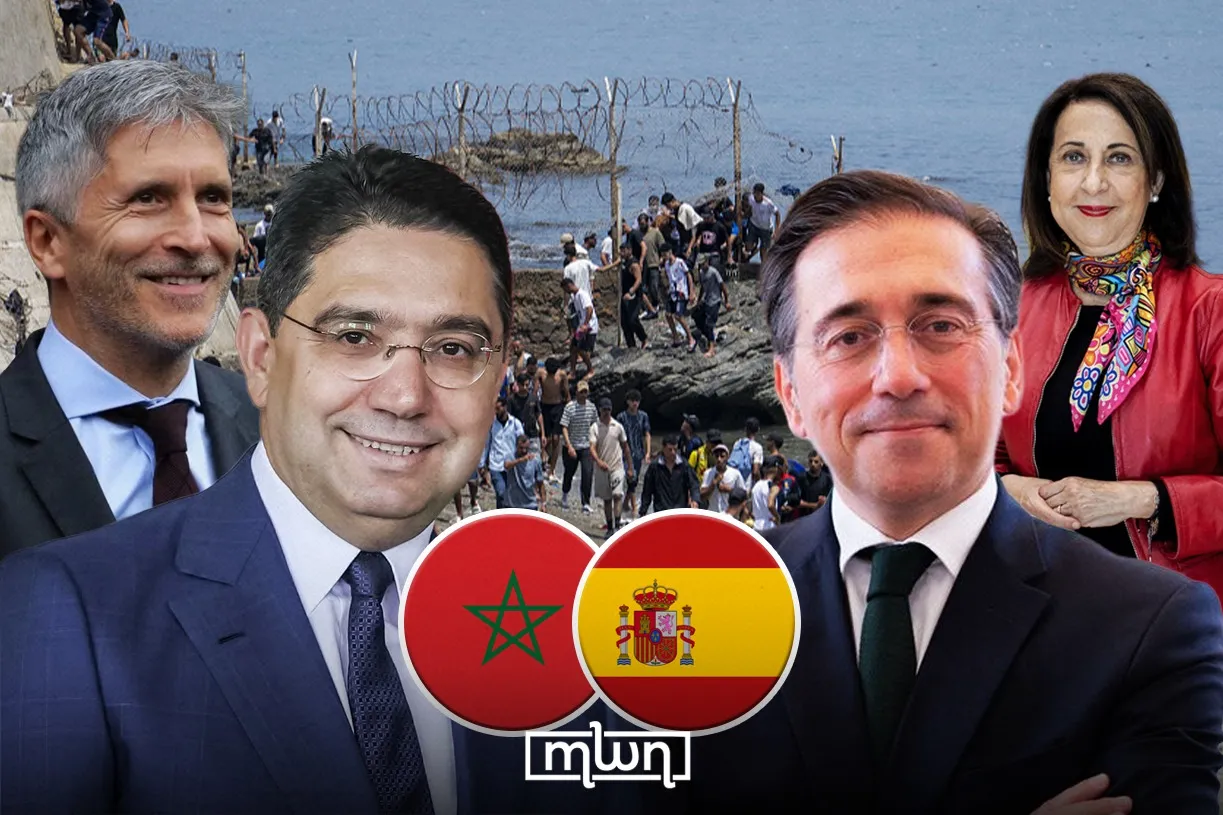

In recent weeks, a narrative has emerged suggesting a diplomatic crisis between Morocco and Spain, yet this portrayal is far from the truth. Despite rampant speculation and sensationalism propagated by certain segments of the Spanish media and political landscape, the Spanish government appears to have no genuine concerns regarding Morocco's involvement in the incident at Ceuta last month. This situation is not a diplomatic breakdown but rather an orchestrated effort by specific media and political factions to create a confrontational atmosphere that serves their own agendas.
The ongoing campaign against Morocco, particularly from sectors of the Spanish press and political parties like the PP and Vox, highlights the discrepancy between the manufactured tension and the actual state of relations between the two countries. It is crucial to differentiate between this politically charged narrative and the deeper, more strategic ties that exist between Morocco and Spain. Both nations, linked by geographical proximity and mutual interests, stand to benefit significantly from continued dialogue and cooperation rather than succumbing to an adversarial dynamic.
For Morocco, Spain is an essential strategic ally, and it is necessary to maintain open lines of communication, foster cooperation, and strive for mutual understanding. Disputes—whether between neighbors or even family—are natural, yet it is imperative that reason and responsibility prevail to restore healthy relations. The absence of any genuine diplomatic crisis is evident; had one existed, we would have seen actions such as the recall of ambassadors or formal diplomatic protests, none of which have transpired. Instead, cooperation channels between the two governments remain intact, and trade relations continue to thrive, illustrating a commitment to mutual benefit.
Recent confirmations from the Spanish Foreign Ministry reinforce the notion that there is no credible evidence linking Morocco to any orchestrated attacks or crises. On August 26, it was reported that Foreign Minister José Manuel Albares maintains daily communications with Moroccan Foreign Minister Nasser Bourita, underscoring the importance of diplomatic engagement. Albares has characterized Bourita as a "friend," and the two ministers have engaged in a constructive dialogue that emphasizes collaboration over conflict. This sentiment was echoed by Spanish Prime Minister Pedro Sánchez, who praised Morocco's consistent cooperation concerning repatriations, further dispelling the myth of a crisis.
Moreover, some Spanish ministers have publicly affirmed Morocco’s role as a reliable partner. Transport Minister Óscar Puente described Morocco as "a loyal and necessary partner," while Interior Minister Fernando Grande-Marlaska attributed the swift resolution of recent challenges to cooperation with Rabat, characterizing it as a trustworthy ally rather than a threat. The focus has instead shifted to criticism of certain European governments for their lack of solidarity during recent tensions.
Amidst this backdrop, an internal schism within the Spanish government has emerged, particularly between Defense Minister Margarita Robles and Interior Minister Marlaska, regarding their preparedness ahead of the events that transpired on July 30. Robles pointed to warnings from Spain’s intelligence services regarding potential disturbances at the border, while Marlaska contested the validity of these claims. This discord raises pertinent questions about the government's response to prior intelligence and highlights the need for accountability in addressing such crises.
Ultimately, the ongoing disputes within the Spanish government, coupled with cooperative statements from key ministers regarding Morocco, serve to undermine the narrative that the events at Ceuta were a result of deliberate actions by Morocco. As the situation unfolds, it becomes increasingly clear that the supposed crisis is more a product of media sensationalism than a reflection of the realities between Spain and Morocco.
As reported by moroccoworldnews.com.