
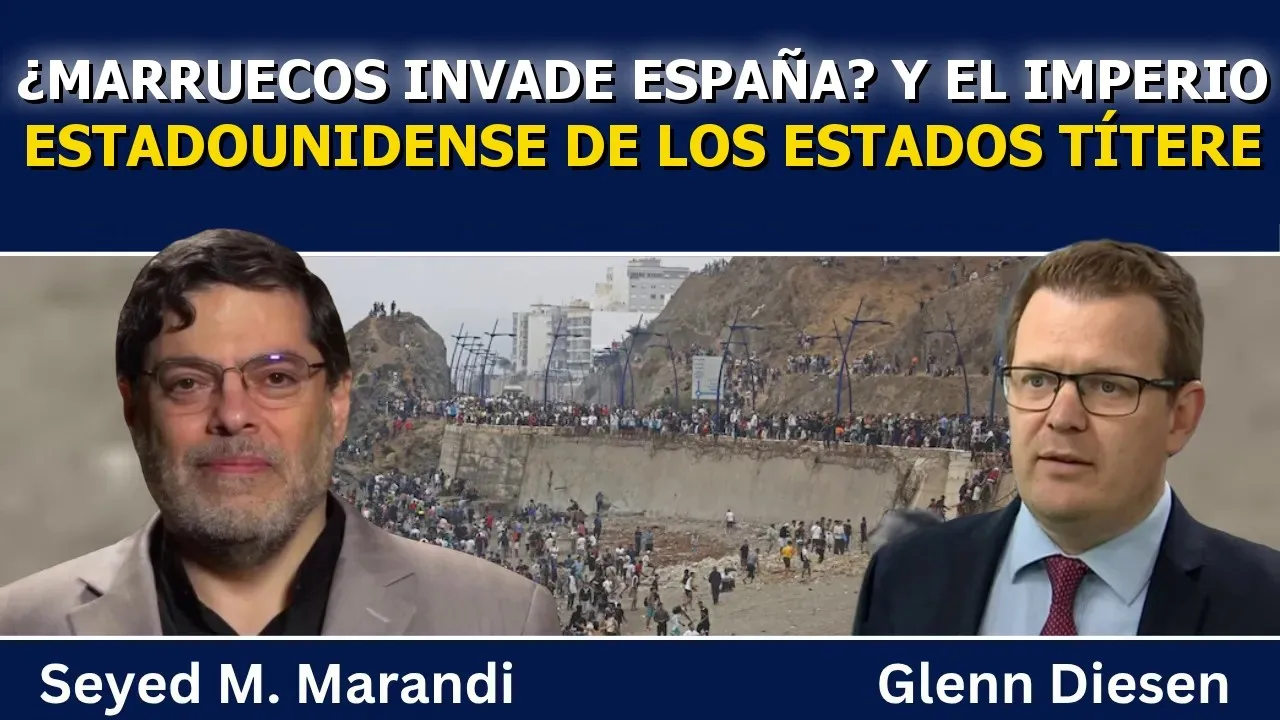

Geopolitical Dynamics: Morocco's Increasing Presence in Spain
In a recent analysis, renowned political scholar Seyed Mohammad Marandi, who previously served as an advisor on Iran's nuclear negotiation team, delves into the complex relationship between Morocco and Spain amidst rising tensions. Marandi highlights a significant influx of approximately 60,000 Moroccan immigrants into Spain, raising questions about the geopolitical implications of this migration. The professor suggests that this movement may be influenced by the strategic interests of the United States and Israel, both of whom may be incentivizing Morocco while simultaneously seeking to exert pressure on Spain. This situation presents a multifaceted challenge for Spain, which must navigate its historical ties with Morocco while addressing contemporary diplomatic pressures.
U.S. Influence and the Future of Spanish-Moroccan Relations
Marandi's insights shed light on the broader implications of U.S. foreign policy in the region, particularly its tendency to favor certain allies over others. The professor argues that the U.S. does not seek traditional alliances but rather aims to establish control over its partners, often leading to a patron-client relationship. This dynamic places Spain in a precarious position, as it must balance its national interests with the expectations of a powerful ally. The ongoing situation at Ceuta, a Spanish enclave on the African continent, exemplifies these tensions, with historical claims by Morocco complicating the narrative. As these geopolitical factors continue to evolve, it remains crucial for Spain to reassess its diplomatic strategy and consider the long-term consequences of its alliances.
As reported by youtube.com.
