
The Multifaceted Crisis in Ceuta
The recent turmoil in Ceuta transcends a mere migration issue; it embodies a significant transformation in the geopolitical landscape of the Western Mediterranean. In this complex arena, Spain, Morocco, Algeria, Israel, and the United States are all pivotal players, each navigating a delicate balance of power that influences their interrelations. The strategic significance of Ceuta cannot be understated, as it encapsulates a multitude of concerns ranging from migration dynamics, energy routes, and territorial claims, to the management of historical grievances that often complicate the diplomatic ties between Spain and Morocco.
From a historical standpoint, Spain asserts that Ceuta has been an integral part of its territory long before the establishment of modern Morocco. Conversely, Morocco continues to lay claim to the city based on historical precedents, a juxtaposition that fuels ongoing tensions and makes the Ceuta issue one of the most sensitive disputes in the Western Mediterranean context. The real core of the contention, however, lies within the broader framework of Western Sahara, where Morocco has maintained control over most of the territory since 1975, facing opposition from the Polisario Front, which seeks independence and is supported by Algeria.
Shifting Dynamics and Strategic Interests
Morocco's strategic ambitions significantly influence its regional posture, particularly concerning Western Sahara. These ambitions include expanding its influence across Africa, securing vital resources such as phosphates, and enhancing its green energy initiatives. As Morocco seeks to consolidate its position against Algeria—its primary competitor for leadership in the Maghreb—Ceuta becomes a critical point of interest. Recent events, such as Spanish Prime Minister Pedro Sánchez's visit to Algiers followed by a substantial influx of Moroccan migrants into Ceuta, underline the intricate relationship between geopolitical shifts and migration patterns. Such occurrences are often the first indicators of changing power dynamics, as states respond to perceived threats or opportunities within their regions.
Furthermore, Morocco’s efforts to enhance its economic resilience and diminish its reliance on European markets reflect a broader strategy of diversifying partnerships, particularly through its growing ties with China and the United States. The normalization of relations with Israel and the strategic acknowledgment of Moroccan sovereignty over Western Sahara by the U.S. during the Trump administration exemplify Morocco's success in embedding itself within a favorable geopolitical framework. This relationship is symbolically reinforced by recent infrastructure developments, such as the naming of a highway after Donald Trump, indicating Morocco's commitment to maintaining robust ties with Washington.
For Spain, the challenge lies in navigating these evolving dynamics without compromising its vital diplomatic relationship with Morocco. The complexities of regional politics are further complicated by Spain's recognition of the State of Palestine, a move that many analysts contend could politically empower Hamas and strain Spain's ties with both Morocco and Israel. The question remains whether Spain can develop a coherent strategy that accommodates its historical alliances while effectively responding to the increasing assertiveness of its neighbor, Morocco.
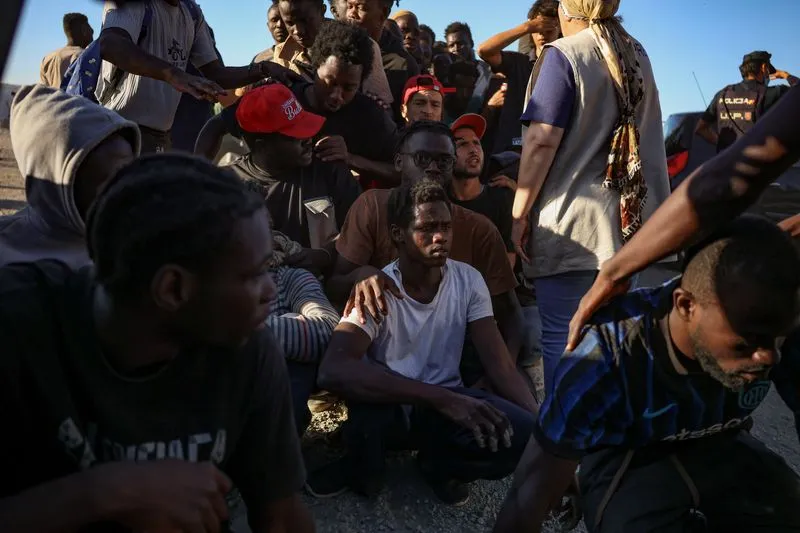
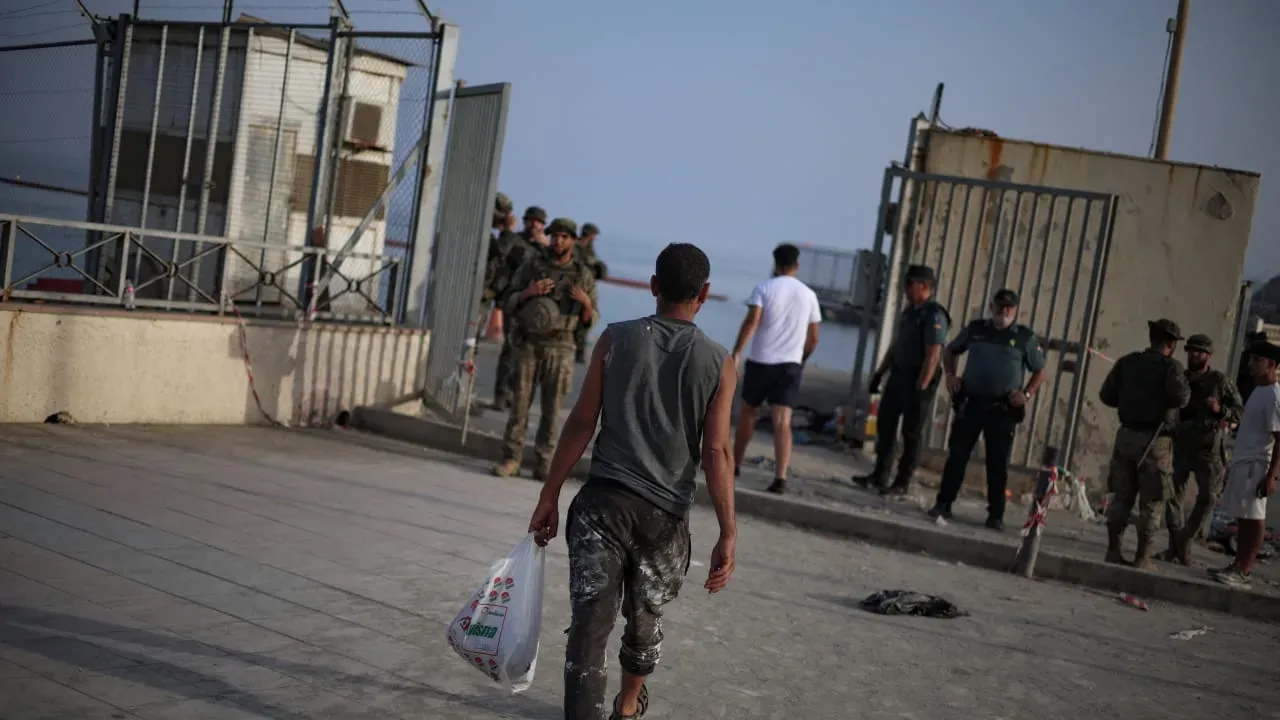
With a population of nearly 80,000, including a historic Sephardi Jewish community, Ceuta’s demographic landscape adds another layer of complexity to its geopolitical significance. The recent surge of Moroccan migrants, with reports indicating an influx of over 40,000 individuals, highlights the fragility of Ceuta's borders and the pressing need for effective migration management. Ultimately, the future of Ceuta hinges not solely on military fortifications but rather on the strategic amalgamation of diplomacy, credibility, and international partnerships. In this regard, Ceuta stands as a microcosm of the broader geopolitical balance between Europe, North Africa, and the Middle East.
As reported by jpost.com.