UN Security Council's Closed-Door Consultation on Moroccan Sahara
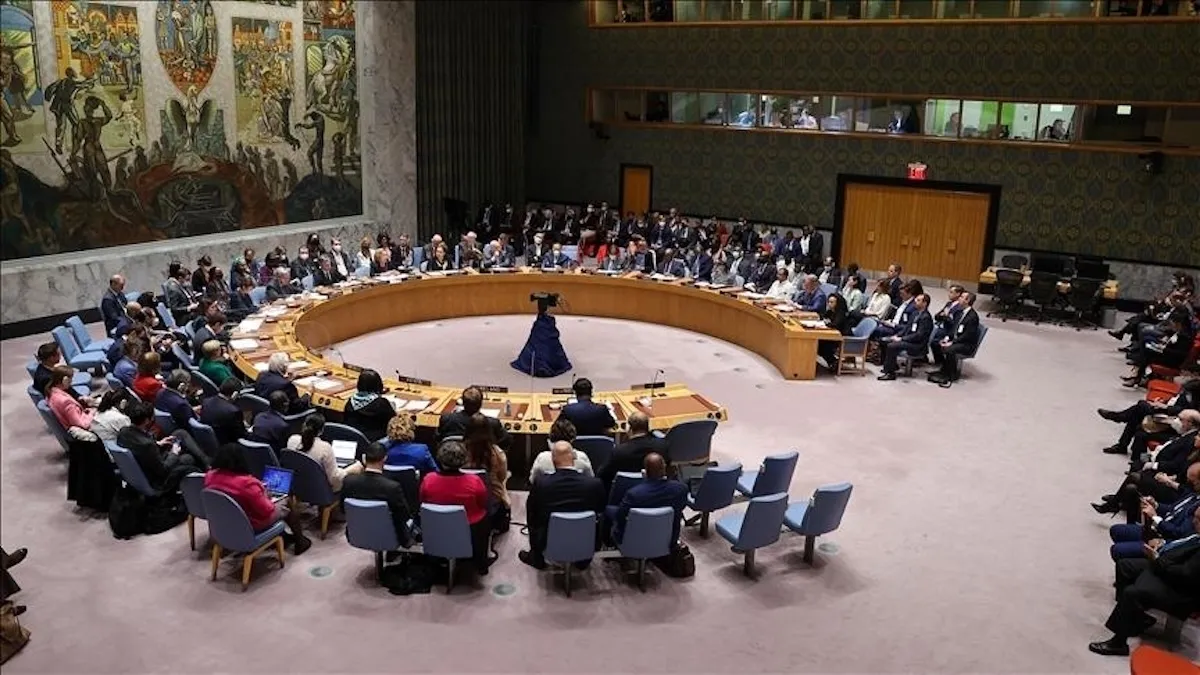
The United Nations Security Council convened a private consultation session to assess the ongoing developments concerning the Moroccan Sahara, a crucial aspect of its regular oversight of the United Nations Mission for the Referendum in Western Sahara (MINURSO). This session was attended by several high-ranking UN officials, including Estafan de Mistura, Alexander Ivanko, and Asif Khan, who presented comprehensive reports discussing the advancements in the political process, evaluations of the current situation on the ground, and the expectations for the mission's future operations.
This meeting coincided with diplomatic initiatives led by Morocco's Foreign Minister Nasser Bourita, who was engaged in a diplomatic tour that included stops in Austria and the United Kingdom before proceeding to Switzerland. This tour is part of Morocco's broader diplomatic efforts that align with the ongoing discussions in the UN Security Council regarding the Sahara issue.
Details from the session reveal that discussions are ongoing about potential avenues to further the political process, despite the closed-door nature of these consultations and the varying positions held by member states. The briefings from the UN emphasize a strong focus on the evolution of the political landscape and the current circumstances on the ground, along with a forward-looking perspective on MINURSO's role in the upcoming phase of operations.
Shifts in UN's Approach to the Sahara Issue
In light of the assessments presented, it appears that the United Nations is gravitating towards a more pragmatic approach in addressing the Moroccan Sahara issue. This strategy emphasizes movement towards a political resolution, with an increasing interest in facilitating the process rather than merely observing the situation. This shift aligns with Security Council Resolution No. 2797, which advocates for practical solutions, prominently featuring the self-governance initiative as a cornerstone of the resolution.
Furthermore, the briefing, which included officials responsible for mediation and policy, as well as the leadership of the mission, indicates a trend towards enhancing the political aspect of MINURSO's operations. This comes amid a growing discourse concerning the evolution of the mission’s responsibilities in the next phase, extending beyond its conventional role tied to maintaining the ceasefire.
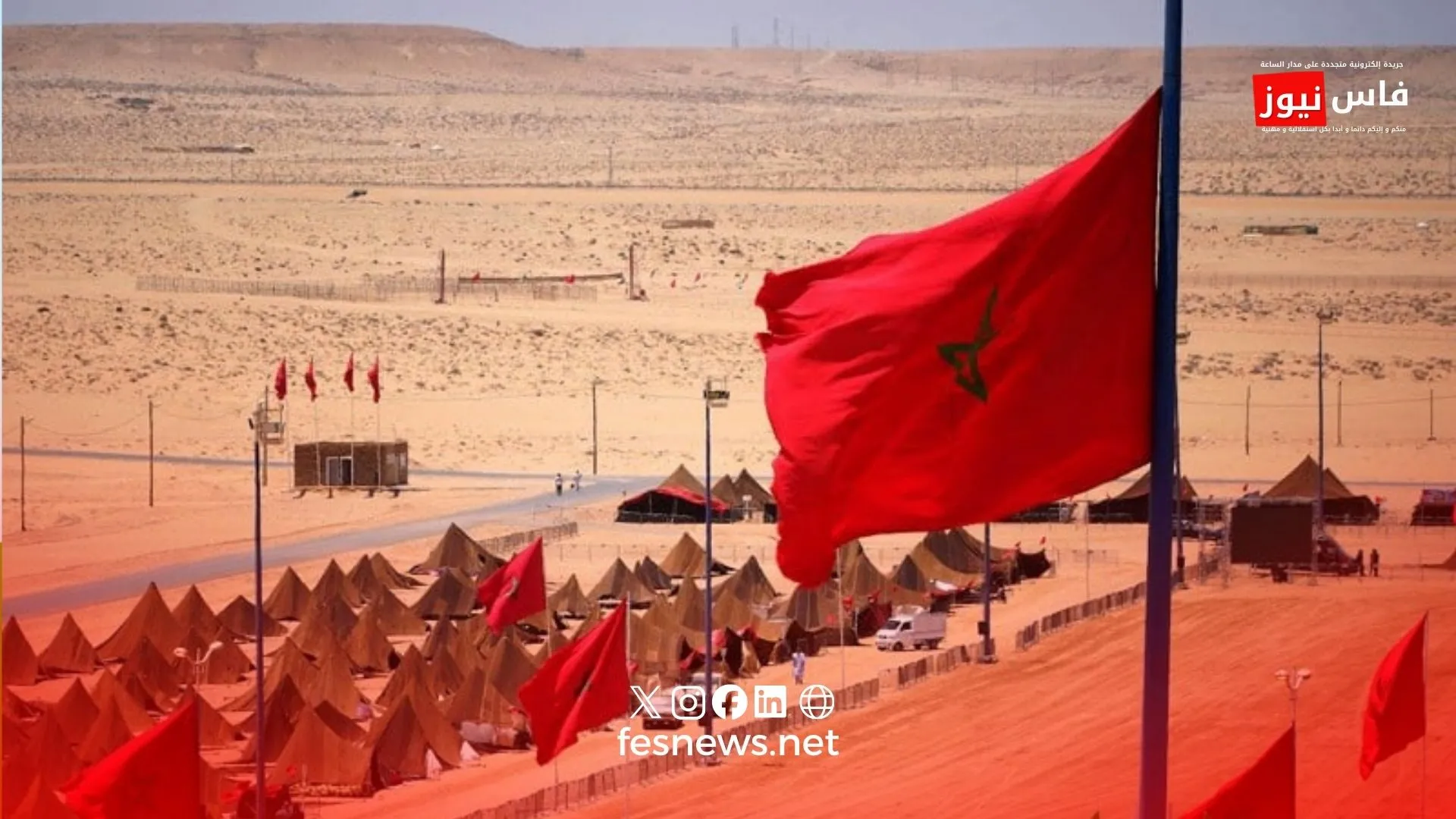
Data gathered from the field, particularly concerning humanitarian conditions in the Tindouf camps, highlight ongoing challenges related to the humanitarian crisis and the lack of certain statistical measures. This situation has sparked debates within international circles about the ramifications for regional stability in North Africa and the Sahel region.
On an international scale, there is a notable alignment in the stances of several key powers, including the United States, France, and the United Kingdom, which tend to support solutions based on autonomy, contrasting with a relative decline in support for separatist proposals.
In addition, Morocco has made significant strides in developing its autonomy initiative, delineating powers more clearly between the state and local entities, enhancing democratic representation, and establishing a framework that ties responsibility to accountability. Furthermore, this initiative incorporates a developmental dimension aimed at transforming the southern regions into a robust economic hub, illustrating its evolution into a more detailed and feasible plan.
Recent Moroccan diplomatic activities across the African continent suggest a gradual restructuring of support dynamics following shifts in positions by various states, thereby solidifying Morocco’s presence within regional institutions.
In conclusion, the Security Council meeting forms part of the routine evaluation of the Sahara issue, occurring during a period characterized by intensified diplomatic efforts and a renewed international dialogue on the future of the political process. While no decisive resolutions have been made, the discussions are framed within the context of an ongoing assessment of the situation and the exploration of potential solutions.
As reported by atalayar.com.