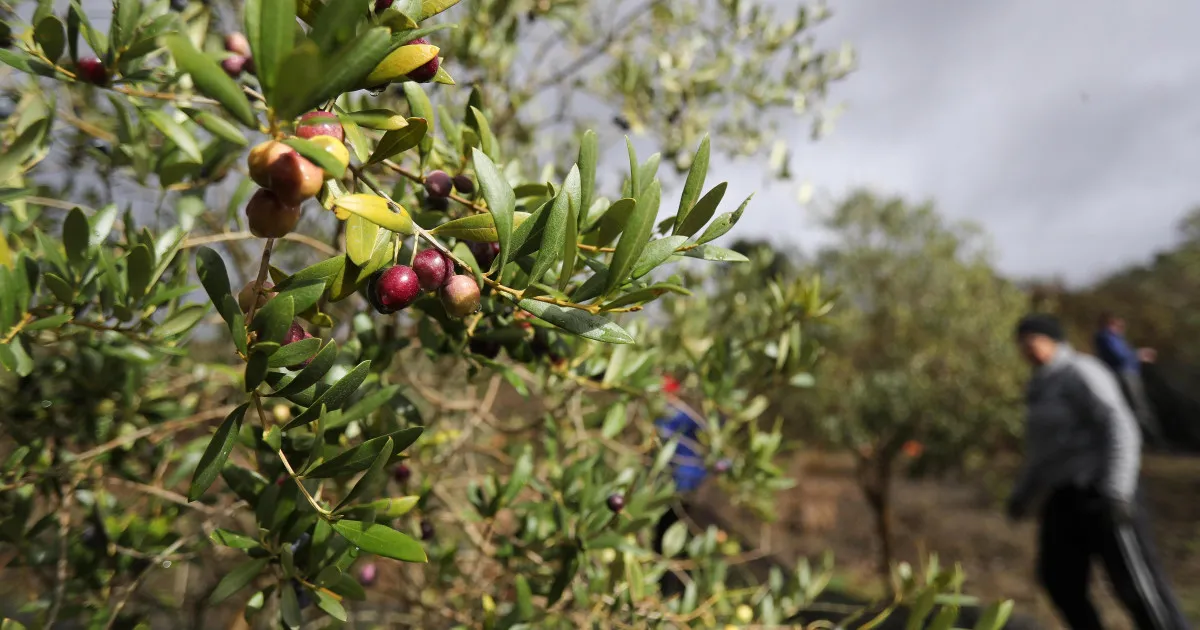
The Growing Influence of Tunisia and Morocco in the Olive Oil Sector
Tunisia and Morocco have established themselves as significant players in the global olive oil market, a reality underscored by their modernization efforts in olive groves and their ability to utilize a more affordable labor force, which operates under labor regulations distinct from those in the European Union. This strategic advantage has propelled these two Mediterranean producers into the limelight, as highlighted in the recent report by the European Commission on the 'Market Situation in the Olive Oil and Table Olives Sectors'. This report reveals that out of the 1,384,000 tons of olive oil imported by the EU from non-European countries during the 2025/2026 campaign, a substantial 613,000 tons originated from Tunisia (450,000 tons) and Morocco (160,000 tons).
The comparative analysis with previous figures illustrates the growing prominence of these North African nations; just a year ago, the combined share of Tunisia and Morocco accounted for 29.41% of all non-European olive oil imports, a figure that has surged to an impressive 44.04% today. The 2025/2026 harvest is poised to mark a significant leap forward for both countries, especially in contrast to the overall production decline of 5% among non-EU nations. Notably, Morocco has experienced a remarkable 78% increase in its olive oil production year-on-year, while Tunisia has seen a commendable rise of 32%. In stark contrast, Turkey, a traditional leader in olive oil production, has suffered a dramatic 43% drop, accompanied by Syria's 10% decrease. Additionally, other countries have collectively lost 8% of their production in the same campaign.
Tunisia's Dominance and Morocco's Meteoric Rise
According to the data provided by the European Commission, the olive oil production across the EU's Twenty-Seven has seen a 5% decline compared to previous figures, yet it remains 9% above the average of the past five years. Interestingly, this favorable production landscape has not directly affected the import levels from third countries, which have increased by 15.27% compared to the 2024/2025 season and by 31.20% compared to 2023/2024. Tunisia has distinguished itself as the largest supplier of olive oil to the EU from outside the bloc, capturing an impressive 81% of these imports between October 2025 and March 2026. The 98,421 tons imported from Tunisia during this period represent a significant 19.7% increase compared to the same timeframe the previous year. Morocco follows as the second-best non-EU supplier to the EU, holding an 8% share with 10,312 tons.
The remarkable case of Morocco is particularly noteworthy due to its meteoric growth; year-on-year, the Kingdom of Mohammed VI has ramped up its olive oil exports to the EU by an astounding 712.6%. Meanwhile, Egypt holds the third position with a 4% share of the total EU liquid gold imports from October to March, amounting to 4,639 tons and an impressive 122.4% increase. In contrast, Turkey and Syria's declining production has diminished their roles as suppliers to the EU, with the two countries collectively contributing only 718 tons (535 tons from Turkey and 183 tons from Syria, reflecting declines of 95.1% and 83.1% respectively) compared to the 12,003 tons recorded from October 2025 to March 2026.
As reported by eldebate.com.