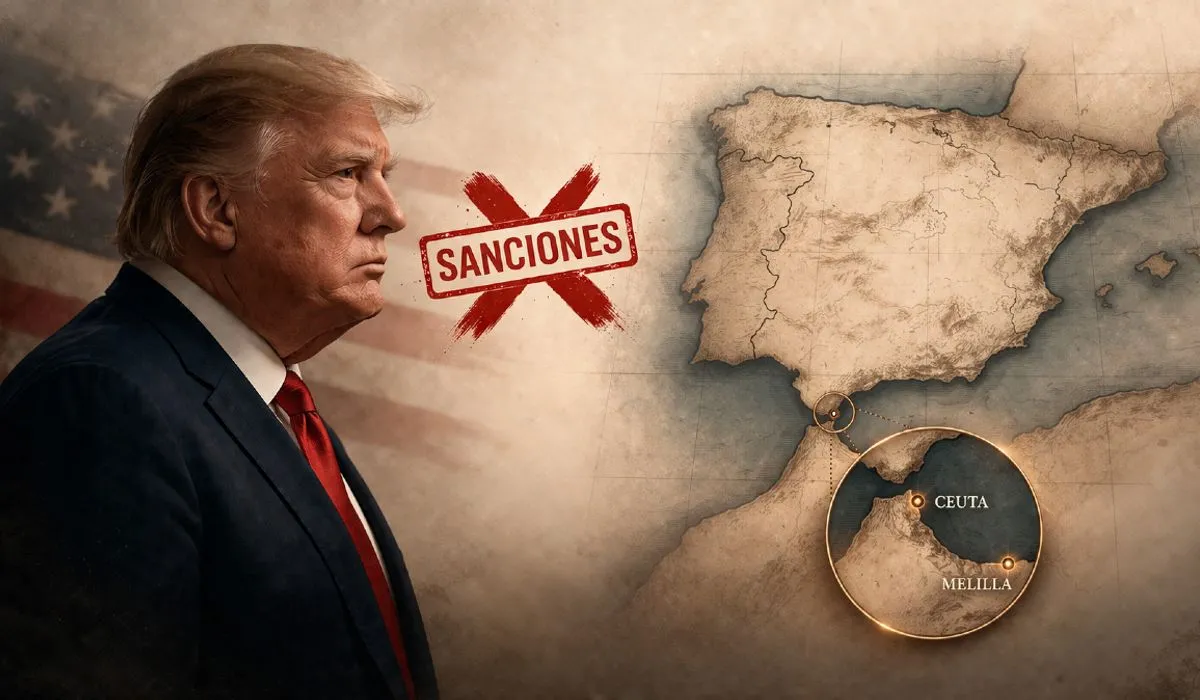
Recent reports indicate that the Trump administration is examining a dossier that addresses the sovereignty of the autonomous cities of Ceuta and Melilla, located in North Africa. This development comes at a time when the United States is enjoying a favorable relationship with Morocco. The dossier, which was brought to Trump's attention during his stay at Mar-a-Lago, advocates for opening discussions regarding the status of these Spanish territories. The document suggests that the U.S. is willing to reconsider its position on Morocco's historical claims to these cities, raising concerns about potential repercussions for Spain.
The tension between the Spanish government, led by Prime Minister Pedro Sánchez, and the Trump administration has escalated, leading to the possibility of sanctions against Spain. This situation is largely attributed to Sánchez's refusal to provide U.S. military forces with access to shared bases in Rota and Morón for operations against Iran. The report, described as “preventive,” was initiated following Sánchez's formal declaration on March 4, which rejected U.S. military requests.
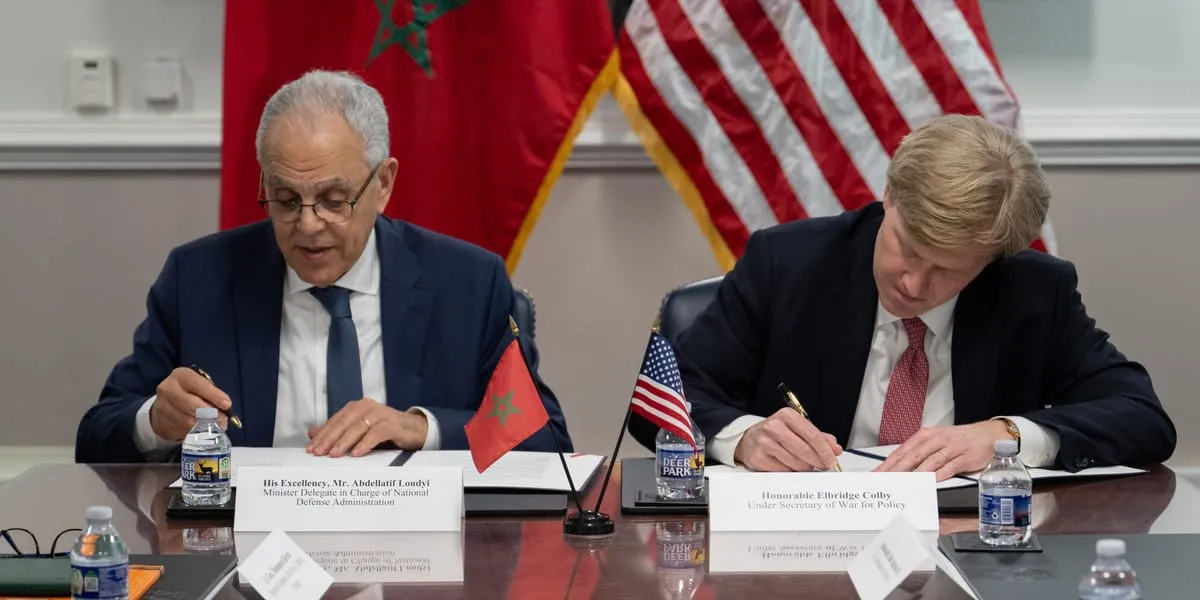
Simultaneously, the U.S. has been strengthening its bilateral ties with Morocco, particularly in defense, formalizing several cooperation agreements that position Morocco as Washington's preferred partner in Africa. This partnership emerges amid uncertainty regarding the future of U.S. military bases on Spanish soil, which have long been coveted by Moroccan authorities.
Furthermore, the Trump administration has indicated that it is contemplating withdrawing from one NATO base as a punitive measure against member states perceived as less supportive in the Iranian conflict, potentially including Spain and Germany. The reallocation of these resources would likely favor NATO countries that have demonstrated greater cooperation.
In addition to the potential sanctions, Trump has intensified his rhetoric against Sánchez, criticizing both his foreign policy decisions and Spain's economic performance. The U.S. president expressed dissatisfaction with Sánchez’s absence during critical moments for U.S. interests in Iran and lambasted Spain's economic indicators, claiming they reflect a dire situation despite minimal contributions to NATO.
The White House advisor's report identifies Spain's economic and strategic vulnerabilities, particularly targeting Repsol, Spain's flagship energy company. Repsol has significant interests in the U.S., including oil extraction in Texas and Alaska, unconventional gas production in Pennsylvania, and renewable energy projects in New Mexico. Despite a robust investment plan of €10 billion over the next three years in the U.S., Trump's dissatisfaction with Sánchez raises concerns about Repsol's future operations and investments in Venezuela, which the company has recently re-entered.
Moreover, the U.S. administration is contemplating pressure measures that could impact Spanish public firms operating in the U.S., such as Indra, Telefónica, and Navantia, following requests for detailed information on state ownership of these companies. The White House has previously hinted at divestment threats, warning U.S. companies with interests in Spain that the country is no longer deemed a “reliable partner.”
The diplomatic fallout from Sánchez's inclination to position himself as a global nemesis to Trumpism is already evident, particularly following the recent progressive summit in Barcelona and his trip to China. The potential ban on acquisitions by U.S. firms in Spain underscores the risks associated with the current geopolitical climate.
Ultimately, the effectiveness of any actions against Spanish interests will largely depend on the duration of the conflict with Iran. If the situation continues to escalate, it is likely that Trump will leverage Spain as a scapegoat to deflect attention from what could be perceived as his personal failures on the international stage.
As reported by vozpopuli.com.