At Least 18 Migrants Die in Ceuta Border Crisis
In a devastating turn of events, at least 18 migrants have lost their lives while attempting to reach Ceuta, a Spanish territory located on the northern coast of Africa, after thousands surged across the border from Morocco. The situation escalated dramatically on Thursday, resulting in chaotic scenes that were captured by Spain's national broadcaster RTVE, which showcased images of burned vehicles on the Moroccan side amidst reported violent clashes. Rachid Sbihi, the head of a local workers' association representing Spain's Civil Guard officers, characterized this incident as a severe humanitarian crisis. He stated that thousands of migrants, including many unaccompanied minors, found themselves sleeping rough in parks and on sidewalks, while others wandered the streets in confusion. He lamented, "People are still entering. The reinforcements that have arrived are only assisting the injured and participating in other humanitarian efforts," describing the current environment as chaotic and unmanageable.
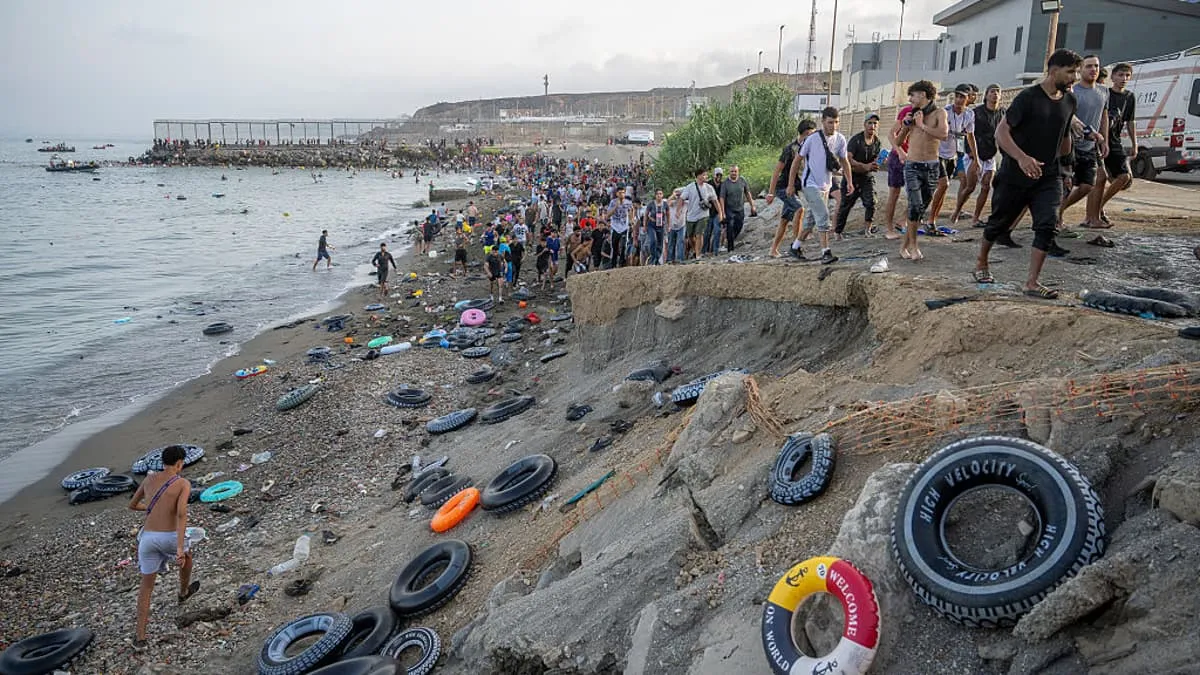
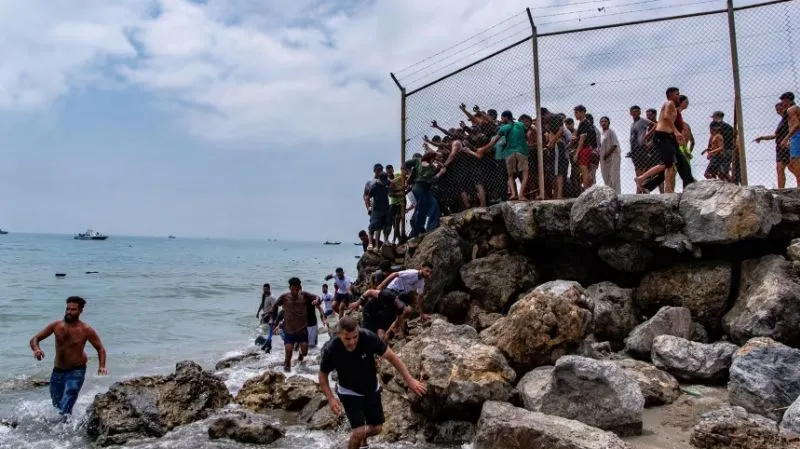
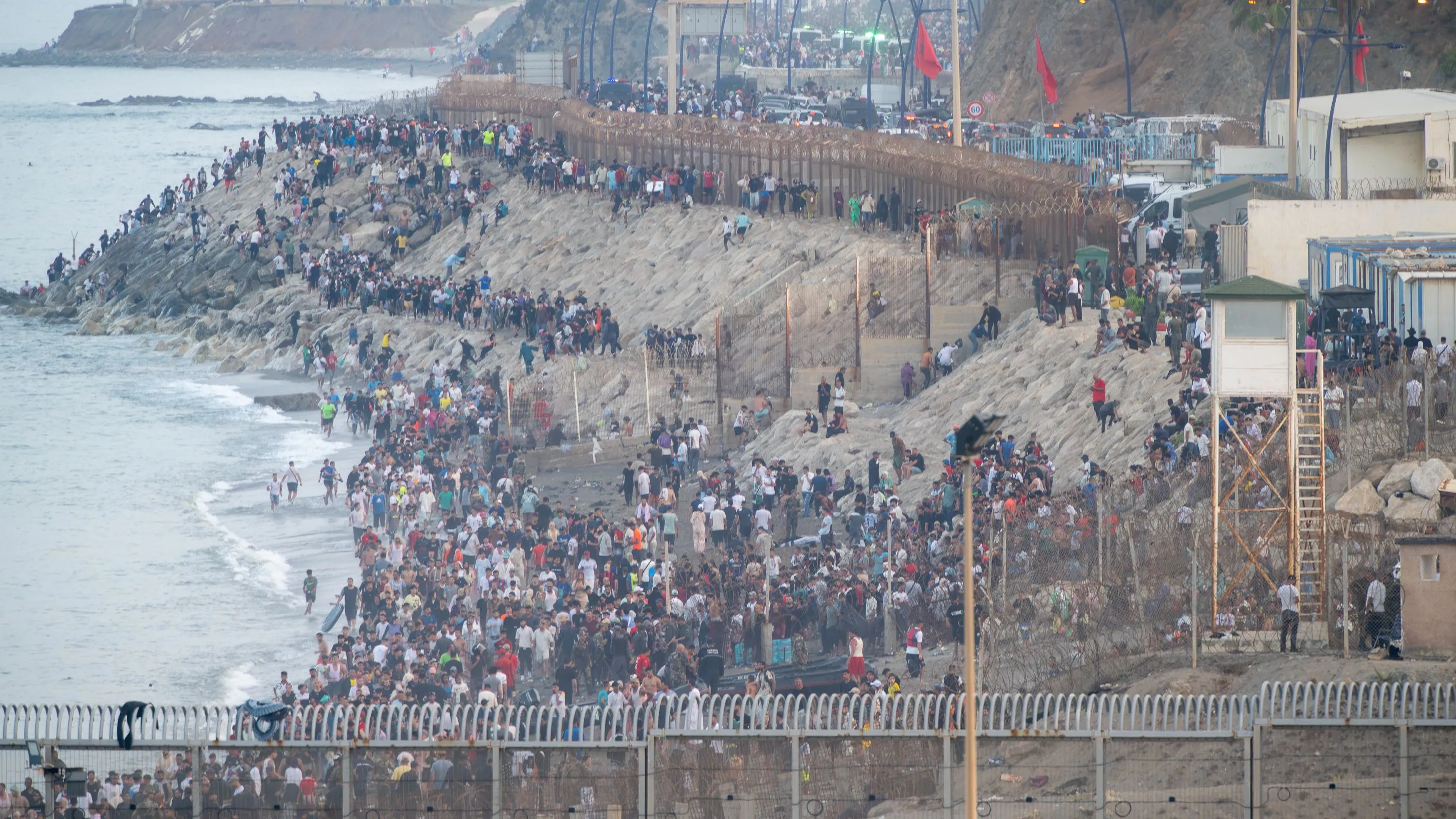
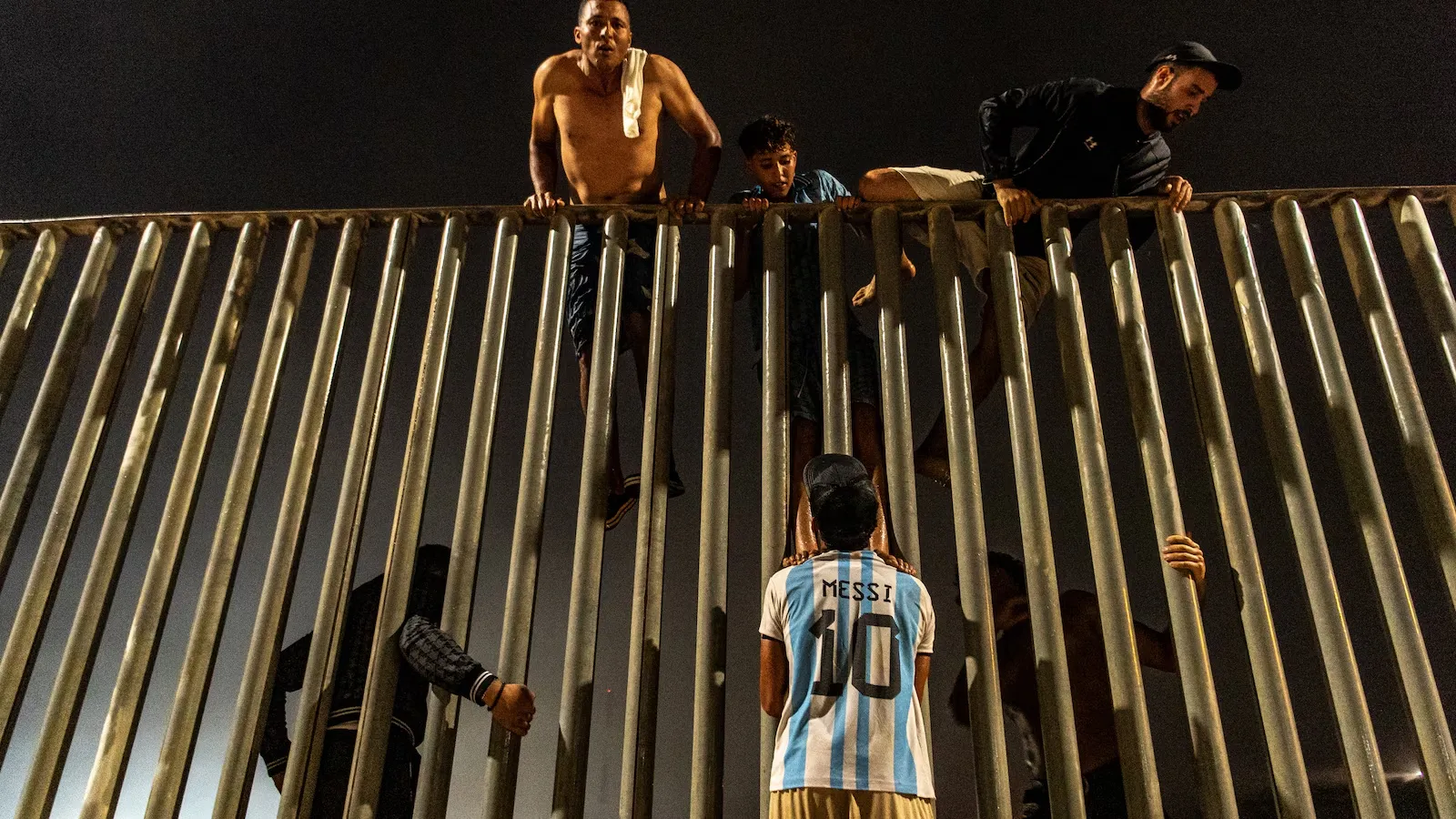
Among the deceased, many tragically drowned, while others were caught in a stampede as they attempted to breach the breakwater fence at Tarajal beach, which is situated near a border checkpoint. One migrant, Ahmed Karim, a 33-year-old from Morocco, expressed his desperation for better opportunities, stating, "Many people want to go to Europe or America, but they don’t have the opportunity." The following morning, the waters near the border were strewn with buoys, and a large group of predominantly young men gathered near the crossing point, reflecting the perilous nature of their journey.
International Responses and Ongoing Tensions
In light of the escalating crisis, Spanish Prime Minister Pedro Sánchez is scheduled to visit Ceuta, accompanied by Interior Minister Fernando Grande-Marlaska. Meanwhile, French Interior Minister Laurent Nunez announced that France would bolster border checks with Spain, indicating the activation of the Rapid Intervention Border Force as a direct response to the situation. Video footage from Thursday revealed large crowds, primarily consisting of Moroccan nationals, traversing the breakwaters onto local roads. While many were young men, families with women and small children were also present, and some migrants were reportedly attempting to return to Morocco, according to a freelance photographer working with The Associated Press.
Despite the surge in crossings, Moroccan authorities have remained silent, with no official statements issued regarding the situation. The motivations behind such a mass crossing remain unclear, but Spain has historically served as a key entry point into Europe for migrants seeking a better life or fleeing violence in their home countries. To reach Ceuta, many migrants swim from the Moroccan town of Fnideq, a distance of approximately 3 miles (5 kilometers). Others opt for a shorter route from Belyounech, another nearby town. Similar attempts are also made to enter Melilla, Spain's other North African territory.
Reports indicate widespread chaos in Bni Nsar, the Moroccan town adjacent to Ceuta, where migrants clashed with police forces, resulting in injuries among officers and the destruction of police vehicles. Activists and human rights groups have documented these clashes, reporting multiple arrests of individuals attempting to cross the border. Omar Naji, a representative from the local branch of the Moroccan Association of Human Rights, noted that while there had been prior attempts to cross into Melilla, the current surge seemed to be particularly influenced by the situation surrounding Ceuta.
Ceuta, which has been a Spanish possession since 1580 and has a diverse population of Christians, Muslims, and Moroccan residents, serves as a symbol of the complex migration dynamics in the region. It is essential for the Spanish government to address this crisis effectively and humanely, as the situation continues to unfold. The Interior Ministry has stated it will release its next migration report soon, but it has not confirmed the number of migrants who have reached Ceuta in recent days. Juan Jesús Vivas, the head of Ceuta’s regional government, is advocating for a national emergency declaration to bolster security and manage the influx of migrants effectively.
As reported by abcnews.com.