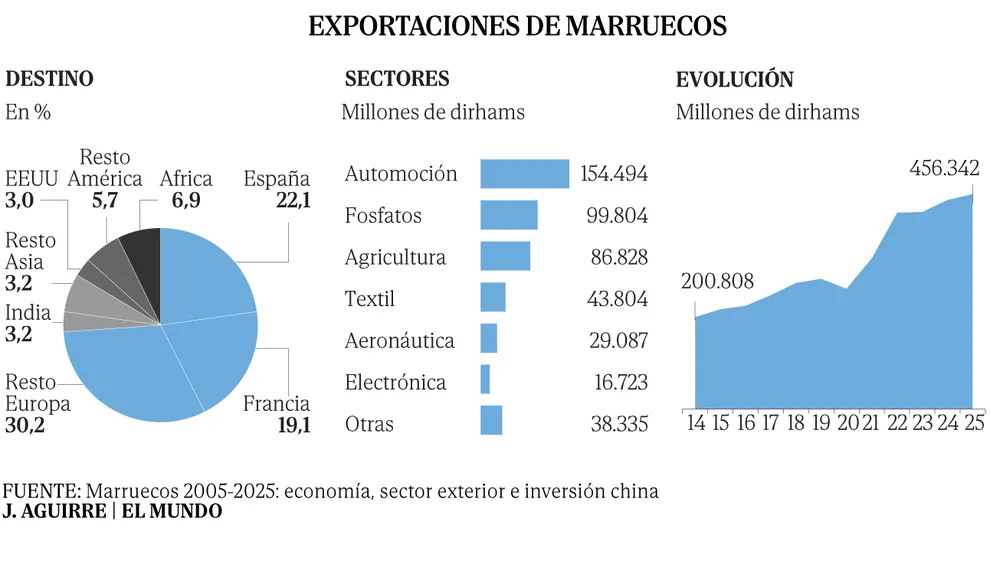

Morocco has made significant strides in its international standing, particularly due to the European Union's purchase of 70% of its exports. This economic relationship has been strategically leveraged by Morocco in exchange for its cooperation on immigration control and respect for borders. The dynamics are changing, and any new negotiations would necessitate a comprehensive reevaluation of existing agreements.
On July 27, Donald Trump made waves by announcing the naming of a new highway, the President Donald J. Trump Highway, which spans 1,055 kilometers through the former Spanish Sahara. This announcement was met with gratitude from King Mohammed VI, who appreciated the former U.S. president's historic recognition of the disputed territory as part of Morocco. Trump's enthusiastic response, expressing his desire to travel the new highway soon, coincided with a growing number of individuals attempting to swim across the Tarajal pier, highlighting the ongoing migration issues in the region.
In a remarkable shift in foreign policy, Spanish Prime Minister Pedro Sánchez also recognized the disputed territory as Moroccan, a decision made without parliamentary approval or opposition consultation. While he refrained from naming any infrastructure in Morocco, just days following the tribute to Trump, Sánchez asserted, “Ceuta is a Spanish city.” This statement, while obvious, belies a deeper tragedy: with the Sahara seemingly secured, the focus now turns to Ceuta and Melilla as the next points of contention. This sentiment is echoed in state-controlled media, which hints at a potential shift in favor of Morocco, emphasizing the geopolitical gravity of the situation.
Morocco, historically a beneficiary of European economic agreements, appears to be renegotiating its terms. This change comes at a time when Spain and the EU must decide whether to display their strength or yield to Morocco's rising economic prowess, which has transformed from a subsistence agricultural economy to a competitive exporter. The country’s GDP has surged from $67 billion to $182 billion over the past two decades. While still only a fraction of Spain's economy, Morocco has improved its industrial output significantly, with automotive manufacturing now dominating its exports, thanks to investments from Renault and Volkswagen.
China, too, plays a significant role, controlling numerous component manufacturing businesses just 14 kilometers from Spain. This industrial expansion includes the production of wind turbine blades and essential battery components, further embedding Morocco into the global supply chain. The Mohamed VI Tanger Tech zone stands as North Africa's largest industrial hub, benefiting from relaxed environmental regulations that enhance its competitive edge over European counterparts.
The European Union's policy towards Morocco hinges on a simple premise: Morocco’s prosperity aligns with European interests. A staggering 71% of Moroccan exports go to EU countries, with Spain and France being the primary recipients. This dependency underscores the concessions made in agriculture and fishing agreements favoring Morocco.
Yet, despite Morocco's burgeoning economy and its football teams achieving elite status, the question remains: why are so many Moroccans risking their lives to emigrate? Sánchez has remarked that the border between Spain and Morocco represents one of the most significant economic divides in the world, although comparisons to other global divides may suggest otherwise. The per capita GDP in Morocco has doubled, yet it remains only around $4,700 annually, still significantly lower than Spain’s average. The wealth generated has not been equitably distributed, with a considerable gap between the royal elite and the general population, contributing to ongoing social unrest.
International rankings indicate improvements in regulatory compliance but highlight significant regressions in civil society participation and corruption control. The European Union’s continued support for Morocco is predicated on the notion that a less prosperous and unstable neighboring state, such as Libya, could pose greater risks. However, if border negotiations become a focal point in future contracts, Spain may need to prepare for a robust defense of its territories.
As analysis suggests, the inevitable outcome appears grim for Ceuta and Melilla. The lack of decisive action from political entities, such as the PSOE Azul and VOX, leaves these regions vulnerable. Residents are advised to seek alternatives, not for immediate evacuation but as a precaution for the coming years, as Spain continues under what many perceive as cowardly governance, with Morocco poised to make its next move.
As reported by elmundo.es.