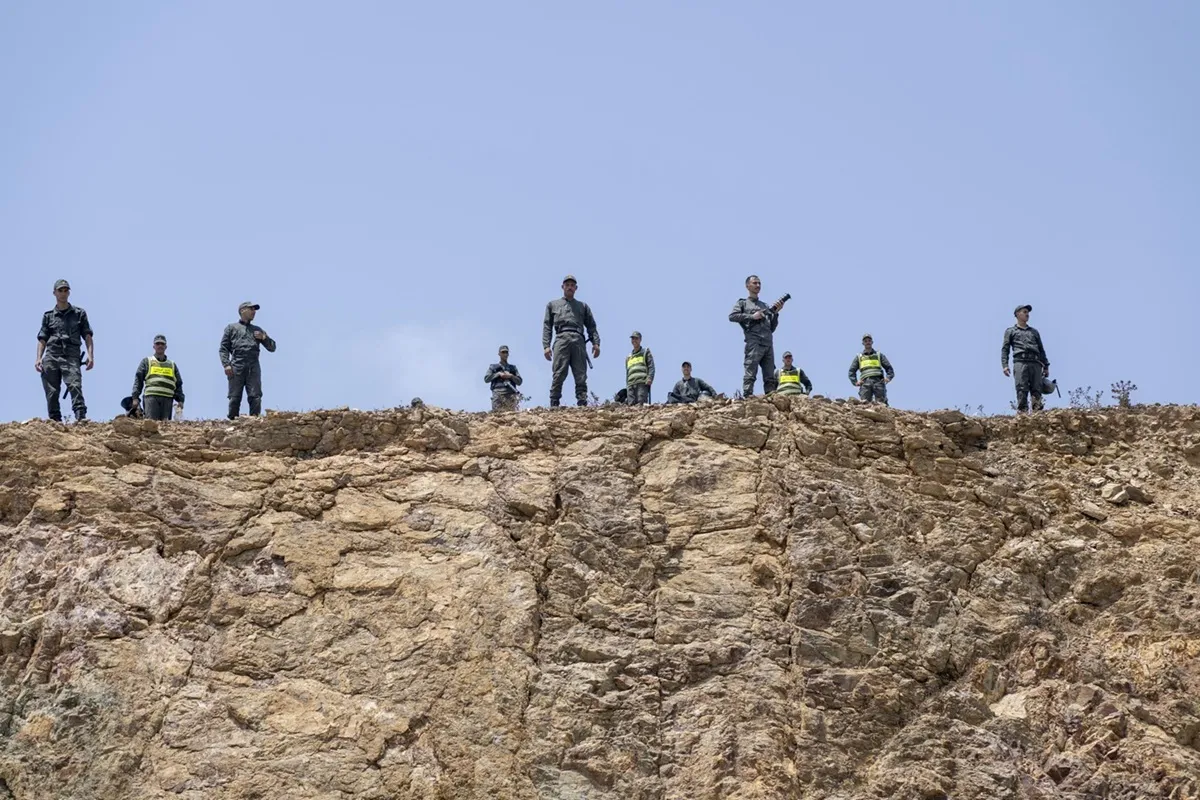

The recent border crisis in the city of Ceuta has reignited discussions about the use of migration as a political tool amidst ongoing tensions between Morocco, Spain, and the European Union. While some narratives portray the developments as an unexpected surge of migrants crossing into Spanish territory, Algerian media outlets have presented a divergent perspective, suggesting that these events may be politically motivated maneuvers aimed at exerting pressure on both Madrid and Brussels.
Migration as a Political Leverage
According to the Algerian newspaper "TSA", the influx of migrants toward Ceuta cannot be viewed in isolation from the backdrop of diplomatic strains between Morocco and Spain. The publication argues that Morocco resorts to migration issues when it seeks to send political messages or influence the stances of European parties. Within the Algerian media narrative, the term "migration blackmail" has emerged as a descriptor for the crisis, indicating a belief that events in Ceuta, along with previous incidents, notably the 2021 crisis, are part of a strategy to create pressure by allowing large numbers of migrants to approach the border at sensitive times.
This interpretation posits that the movements are not merely spontaneous occurrences, as some analysts cited by Algerian media suggest; rather, they can be weaponized to remind Spain of its geographical and political vulnerabilities in North Africa.
Ceuta and Melilla: The Core of Moroccan-Spanish Tensions
Algerian media has also accused Morocco of encouraging migrant proximity to the Spanish border, asserting that migration has become an additional bargaining chip in the ongoing disputes concerning the cities of Ceuta and Melilla. The "Algérie Nationale" newspaper notes that the crises linked to these borders occasionally coincide with shifts in diplomatic relations between Algeria and Spain, thereby imparting a political dimension that transcends humanitarian concerns.
The recent crisis unfolded following Spanish Prime Minister Pedro Sánchez's visit to Algeria, which marked a phase of rapprochement between the two nations. Algerian media has leveraged this context to frame the developments in Ceuta within a broader narrative that extends beyond mere migration issues.
Moreover, the criticisms directed at Morocco extend beyond accusations of political exploitation of migration; they also encompass allegations of a perceived indifference towards the humanitarian plight of migrants at the border. Algerian outlets argue that the desperate attempts of thousands of young individuals to reach Ceuta and Melilla reflect deeper social and economic crises, including poverty, unemployment, and a lack of prospects.
In an interview with analyst Jacob Cohen, "Algérie Nationale" presented an interpretation asserting that the mass entry of migrants into Ceuta is a "deliberate political act," rather than a mere wave of migration triggered by social conditions. This viewpoint is grounded in the timing of the movements, their scale, and the manner in which authorities are responding, suggesting these elements may carry political messages directed at Spain and the EU.
Despite these claims, it remains essential to recognize that the narrative surrounding the migration crisis in Ceuta is influenced by various factors, including social and economic conditions, security measures, and fluctuating diplomatic tensions. As such, Ceuta remains one of the most sensitive hotspots in the western Mediterranean, where irregular migration intersects with political disputes and security interests, illustrating the ongoing tensions among Morocco, Spain, Algeria, and the European Union.
As reported by watanserb.com.