
Ceuta and Melilla: A Flashpoint of Tension Between Spain and Morocco
The recent surge of over 72,000 migrants arriving in Ceuta from Morocco during the summer has reignited a long-standing debate about Spain's sovereignty over the two autonomous cities located on the North African coast. This contentious issue has persisted since the 1960s, with Morocco asserting its claim to these territories. In a display of defiance against these claims, King Felipe VI of Spain is set to make a symbolic visit to Ceuta on October 13. Positioned merely a few kilometers from Andalusia across the Strait of Gibraltar, Ceuta serves as a crucial gateway to Europe, making its status a focal point of geopolitical tensions between Spain and Morocco.
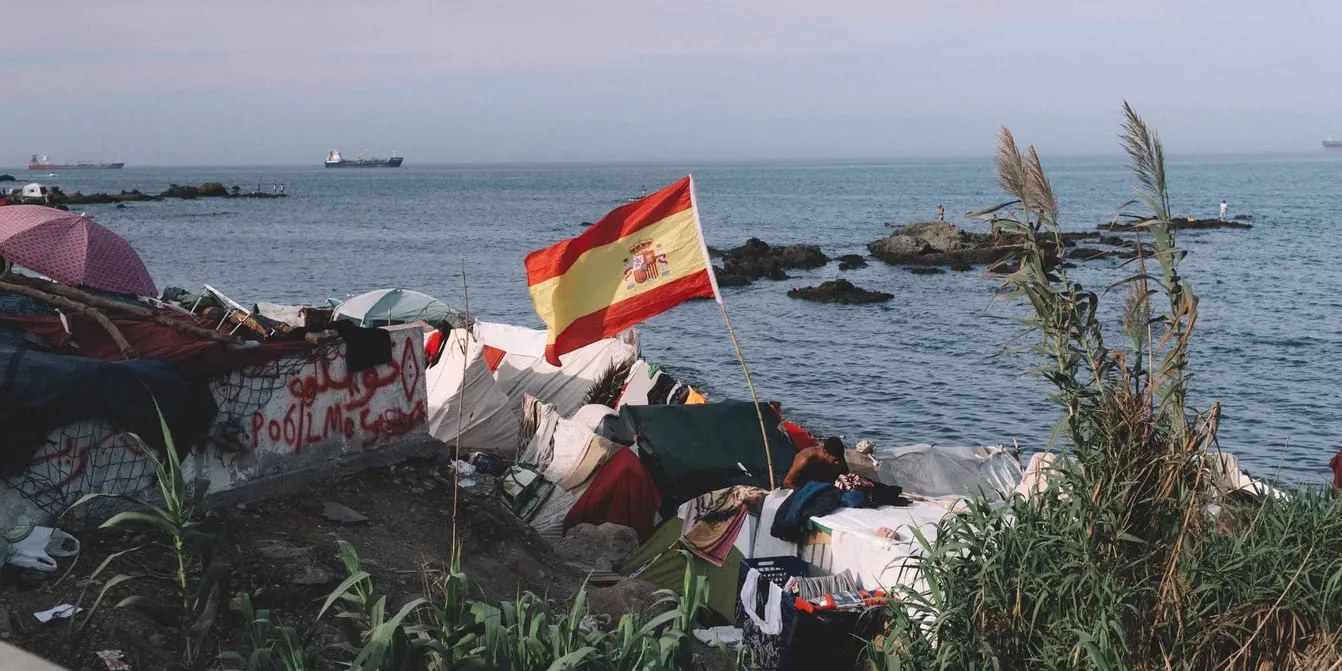
Despite Spain's firm stance on its non-negotiable sovereignty over Ceuta, the country finds itself reliant on Moroccan cooperation to effectively manage migration flows. The mass arrival of migrants on July 30 and 31 has exacerbated existing divisions, overwhelming the facilities in a city that houses approximately 83,500 residents. Although the Spanish government reported that most migrants left shortly after their arrival, a significant number remain, either in overcrowded centers or living in makeshift camps, while others struggle to survive on the streets and beaches.
The ramifications of this crisis have escalated to national proportions. On September 2, during the annual Dia de Ceuta celebration, thousands of demonstrators took to the streets in major cities such as Madrid, Seville, Valencia, and Malaga to express their support for Spanish governance over Ceuta. Chants of "Ceuta is not for sale" and "United Ceuta will never be defeated" echoed through the crowds, with the far-right Vox party urging supporters to rally against what they termed an
As reported by lemonde.fr.