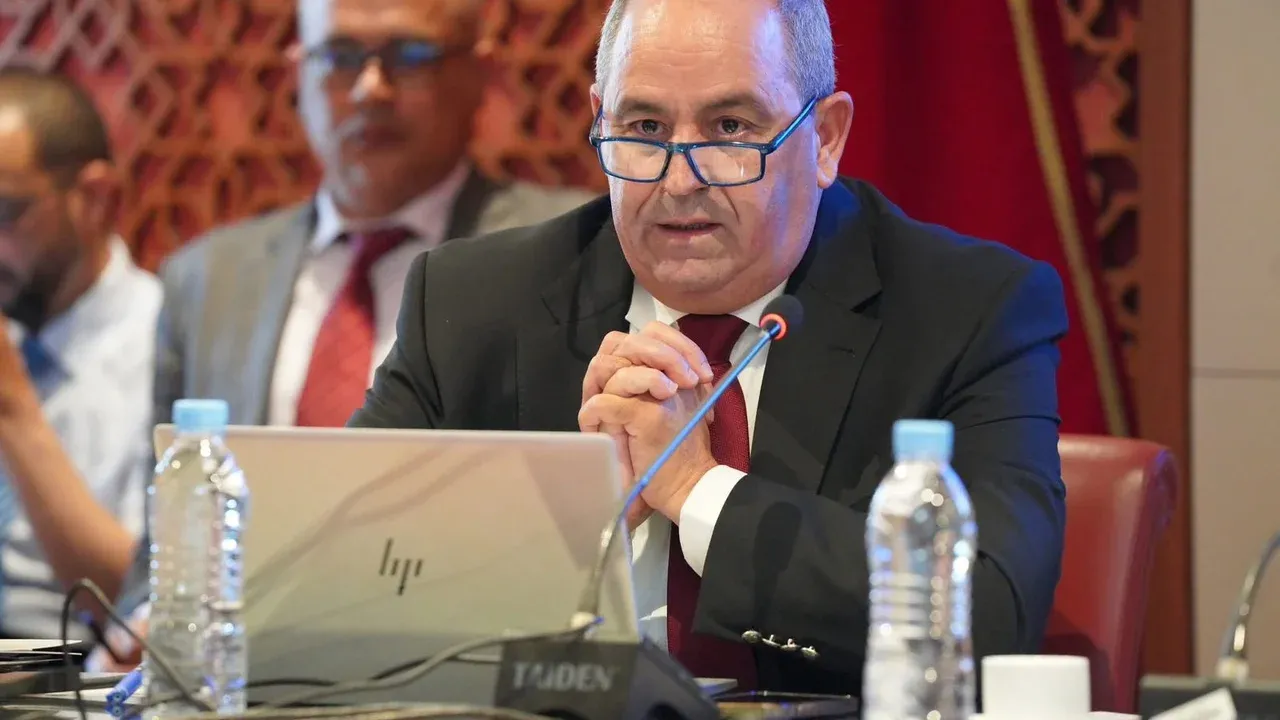
According to various sources, the recent ministerial decision stems from a highly sensitive case linking administrative responsibility with adherence to professional ethics within the university. This issue erupted following the circulation of recordings and clips attributed to the dismissed dean, involving a woman who claims to be a student at the college. This sparked extensive discussion that transcended the personal incident, touching the very essence of the university's image.
The controversy surrounding this situation did not merely focus on the specifics of the incident; it opened the door to a fundamental question: What level of conduct is expected from those in leadership positions within the university campus? Moroccan universities are not merely classrooms; they are societal institutions bearing an educational, cultural, and ethical mission. Consequently, the dean or any university official is required to possess dual qualifications: academic and managerial competence, along with institutional behavior that maintains the dignity of their position and the trust of the state and the community.
Any suspicion of abuse of power or violation of public ethics can significantly undermine the trust climate within the college and tarnish the university’s reputation in the eyes of students, parents, and the public. In this context, the dismissal decision can be interpreted as a precautionary measure guided by the principle of 'protecting the institution before individuals.' Modern institutions are not only evaluated by their ability to overcome crises but also by how swiftly they react to events that impact their reputation.
The appointment of the deputy dean as acting dean ensures the continuity of administrative and pedagogical management of the college, thus preventing a halt in academic activities while awaiting the results of administrative and legal investigations. Regardless of the judicial outcomes, this incident has highlighted an urgent need to establish a 'culture of professional ethics' within Moroccan universities.
Today, it is essential to enhance mechanisms to prevent all forms of exploitation, conflicts of interest, sexual harassment, and to have a clear system for reporting, listening, and addressing complaints within the campus. The case involving the deanship of the Arabic Language College in Marrakech transcends the individual of the dismissed dean. At its core, it raises questions about the future of governance within Moroccan universities, which aspire to scientific leadership and are called to be models of integrity, transparency, and respect for values.
The quality of education is inseparable from the quality of institutional behavior. Building trust begins with reinforcing the principle that a position of authority is a responsibility before it is an honor.
As reported by aabbir.com.