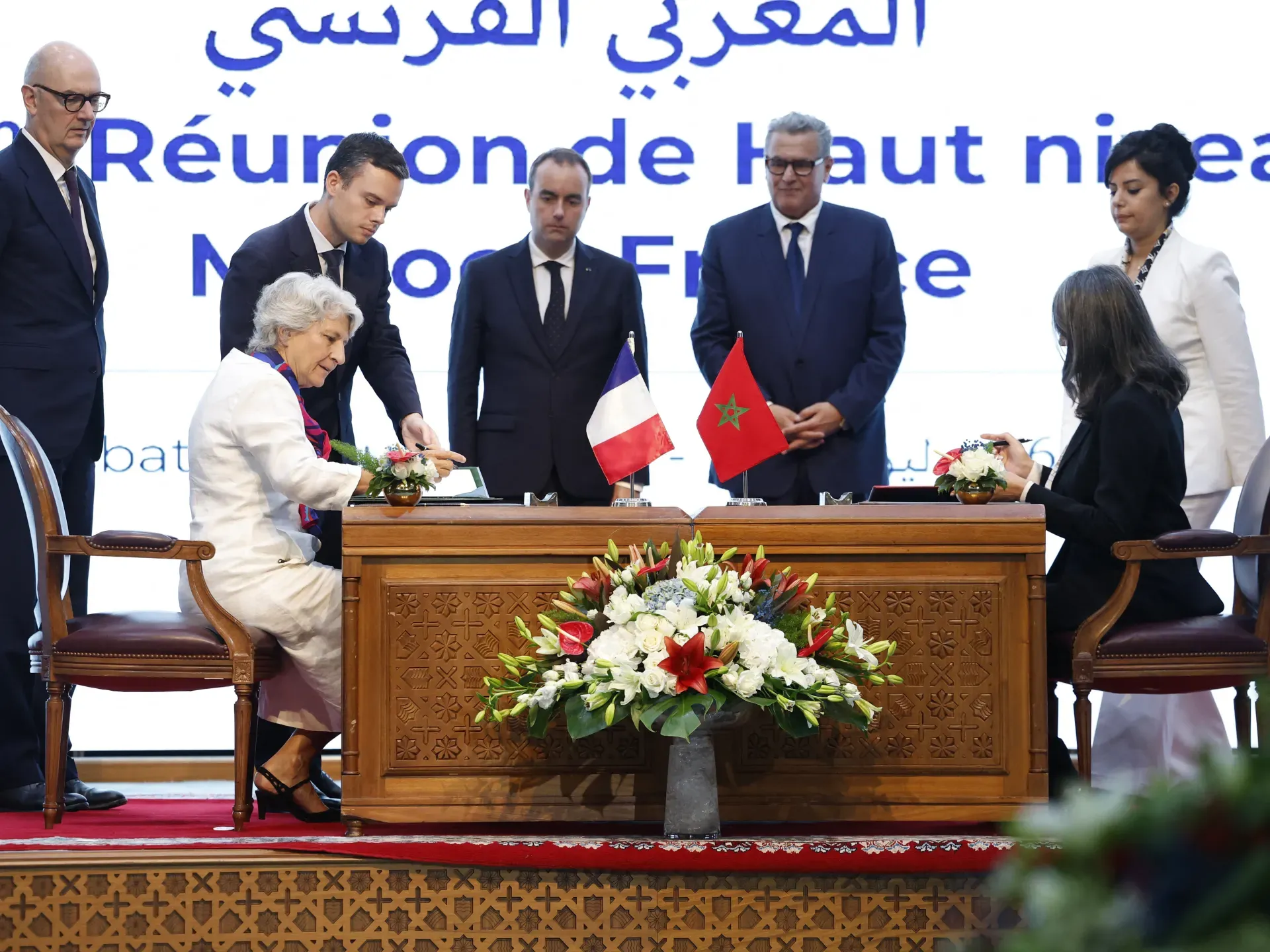
The escalating rivalry between Morocco and Algeria is profoundly influencing the foreign policy landscape of European nations, particularly in the Maghreb region. This month, a series of high-profile visits within just a few days underscored this dynamic, highlighting how the two North African countries are vying for strategic partnerships that have direct implications for their relationships with European powers. On July 15 and 16, French Prime Minister Sebastien Lecornu led a significant ministerial delegation to Morocco, marking a notable strengthening of ties between Paris and Rabat. Concurrently, Algerian President Abdelmadjid Tebboune visited Berlin with the intent of solidifying Algeria's partnership with Germany. Just days later, on July 20, Spanish Prime Minister Pedro Sanchez traveled to Algiers to mend relations that had been strained by Spain's recent pivot towards Morocco. These diplomatic maneuvers illustrate how closely interlinked the fates of these nations are, especially as they navigate the contentious issues surrounding Western Sahara.
At the heart of the Morocco-Algeria rivalry lies the contentious status of Western Sahara, a territory predominantly controlled by Morocco. The Moroccan government has positioned support for its sovereignty claim, including its autonomy proposal, as a litmus test for its international relationships. In stark contrast, Algeria champions the Polisario Front's call for independence, responding forcefully whenever European governments express support for Morocco's stance. Both nations wield considerable leverage in this geopolitical tug-of-war. Morocco extends offers of intelligence sharing, counterterrorism collaboration, migration management, and access to its extensive economic networks across Africa. Meanwhile, Algeria boasts significant natural gas reserves, a robust domestic market, and a commanding role in regional security and diplomatic matters across the Maghreb and Sahel. Consequently, European governments find themselves unable to treat these relationships in isolation; actions that strengthen ties with one nation invariably impact their diplomatic, economic, and security arrangements with the other.
The implications of these relationships are starkly illustrated by France's foreign policy maneuvers. In 2024, President Emmanuel Macron's endorsement of Moroccan sovereignty over Western Sahara and his characterization of Morocco's autonomy proposal as a viable solution to the conflict represented a significant pivot in French diplomacy. This move not only alleviated a prolonged period of tension between France and Morocco but also ignited a diplomatic crisis with Algeria, which responded by recalling its ambassador. Lecornu's subsequent visit to Morocco reinforced France's commitment to this new alignment, as the two nations explored avenues for cooperation across various sectors, including energy, investment, security, and migration. Notably, discussions about a direct electricity link between Morocco and France, aimed at facilitating the transfer of renewable energy, are indicative of the deepening strategic partnership that Paris is keen to cultivate.
Yet, France's relationship with Algeria remains fraught with complications stemming from historical grievances and contemporary disputes over migration and security. The fallout from Macron's Western Sahara stance exacerbated these tensions, leading to a tangible decline in security cooperation and creating barriers for French businesses operating in Algeria. Although dialogue between Paris and Algiers has cautiously resumed, France has shown little inclination to reverse its policy. Algeria's ability to shape France's regional diplomacy underscores the delicate balance that European nations must navigate amid these competing allegiances.
Spain, too, has faced similar pressures in its diplomatic dealings. In 2022, the Sanchez administration shifted from a stance of neutrality to endorsing Morocco's autonomy proposal as a credible framework for resolving the Western Sahara conflict. This pivot helped mend a rift with Rabat but resulted in immediate repercussions from Algeria, which included recalling its ambassador and suspending a long-standing friendship treaty with Spain. As a result, Spanish exports to Algeria saw a steep decline, although Algeria honored its gas supply commitments. Spain is now tasked with the challenging endeavor of re-establishing ties with Algeria while maintaining its newfound partnership with Morocco, a balancing act made all the more precarious by the historical context of diplomatic tensions.
Algeria's recent visit to Berlin further illustrated its efforts to diversify its European alliances. Discussions with Germany encompassed a range of collaborative initiatives, including energy cooperation and potential hydrogen exports to Europe. This burgeoning relationship with Germany reflects Algeria's strategic maneuvering to broaden its European partnerships beyond France, signaling a shift in the regional balance of power.
In conclusion, the rivalry between Morocco and Algeria has evolved far beyond a mere contest for regional dominance; it has become a pivotal factor in shaping how European governments engage with North Africa. France has solidified its alliance with Morocco as a cornerstone of its regional strategy, while Spain attempts to navigate its relationships with both nations without compromising its interests. As both Morocco and Algeria continue to leverage their influence in energy, migration, and security, European nations must adapt their policies accordingly, recognizing that their diplomatic relations are increasingly intertwined with this complex rivalry. The implications of this geopolitical landscape will undoubtedly play a significant role in shaping the future of European-Maghreb relations.
As reported by aljazeera.com.