
Understanding the Ceuta Influx: A Geopolitical Maneuver
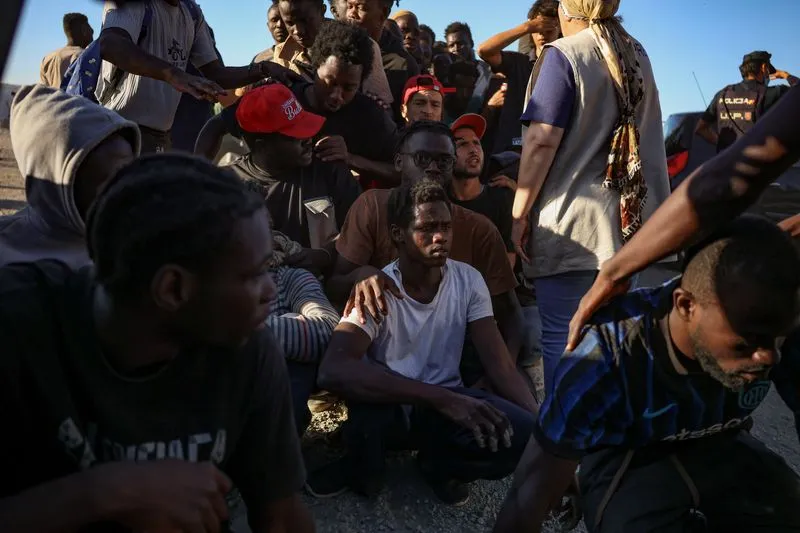
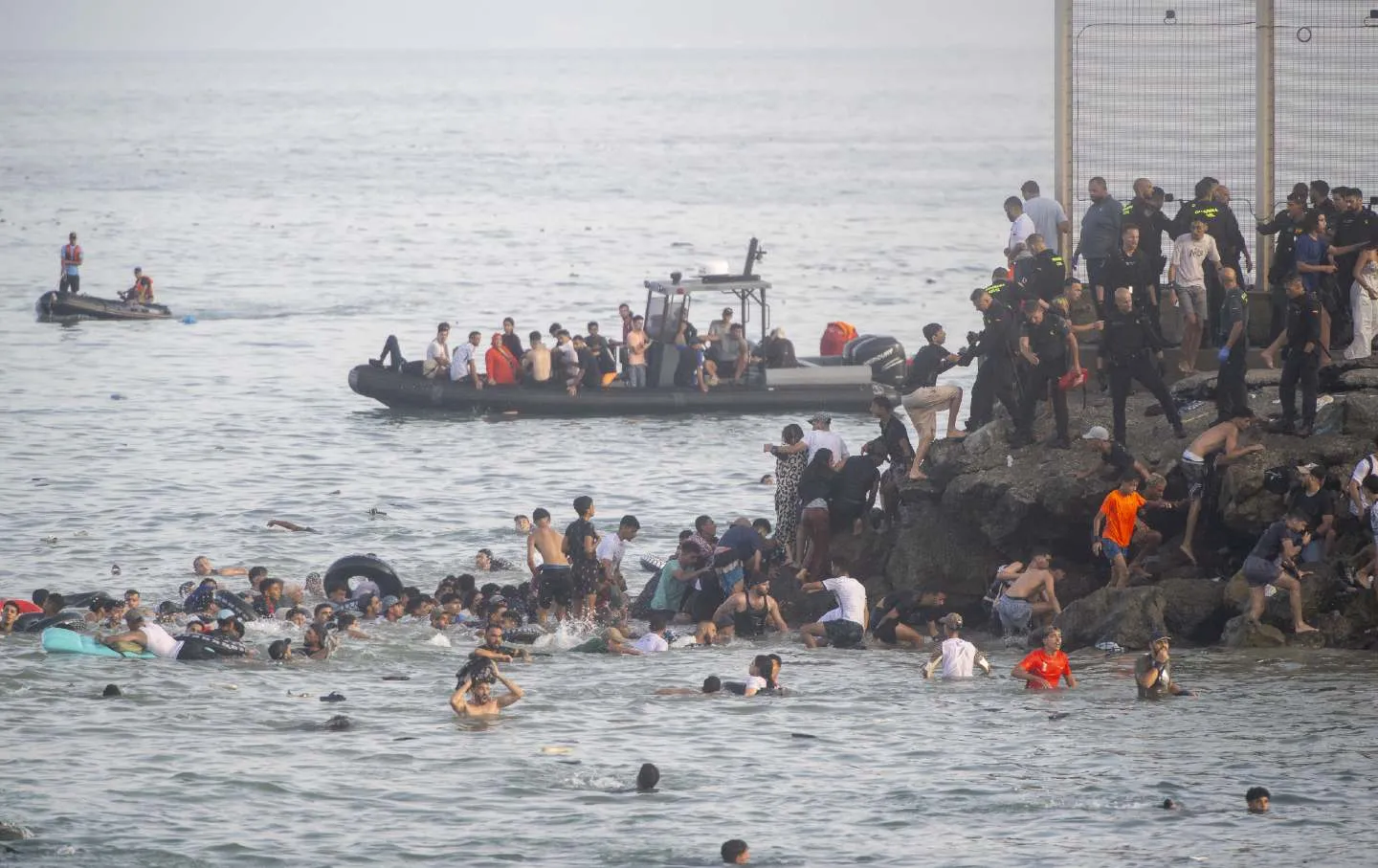
The recent influx of tens of thousands of Moroccans into the Spanish enclave of Ceuta on July 30, 2026, raises significant questions about the underlying motivations behind this considerable movement of people. Ceuta, a small city located on the northern coast of Morocco, has been a long-standing point of entry for migrants seeking to cross into Europe. This territory, along with Melilla, is the only land border between the European Union and Africa, making it a focal point for migration, particularly in times of crisis. However, the events that transpired were more complex than mere desperation, as evidenced by the organization and apparent coordination behind the crossings, suggesting a calculated move by the Moroccan regime.
Reports indicate that the large number of individuals crossing into Ceuta, many of whom were not carrying personal belongings, were likely part of an orchestrated action, possibly facilitated by Moroccan authorities. Video evidence showing groups of young men being transported to the border area raises suspicions of government involvement, with Moroccan border guards seemingly allowing the crossings to occur. This calculated provocation appears to be a political maneuver aimed at undermining Spanish Prime Minister Pedro Sanchez, particularly in light of his attempts to strengthen ties with Algeria, Morocco's regional rival. Historical context reveals that similar tactics have been employed in the past, such as during the 2021 influx following Spain's decision to grant medical treatment to the Western Sahara leader, Brahim Ghali, further indicating a pattern of using migration as a political tool.
Political Fallout and Geopolitical Implications
The geopolitical landscape surrounding this crisis is further complicated by the recent hostility exhibited by the United States and Israel towards Spain. Former President Donald Trump has openly criticized Sanchez's government, labeling Spain as “hopeless” and expressing dissatisfaction over military budget increases. This discontent has been exacerbated by Spain’s stance on Palestinian rights and its refusal to fully cooperate with U.S. military operations, which has fueled tensions between Spain and its traditional allies. Such hostility may have inadvertently emboldened Morocco to act more aggressively, believing that its actions would go unchecked amidst the broader geopolitical discord.
Moreover, the crisis has provoked reactions from far-right political factions in Europe, who are leveraging the situation to propagate narratives of an uncontrollable refugee crisis. These groups are calling for Spain to be expelled from the Schengen Area, despite the fact that the recent crossings have not resulted in significant movement onto the European mainland. The rhetoric surrounding the border crisis serves to reinforce xenophobic and nationalistic sentiments that often accompany discussions of immigration and border security, particularly in the current political climate.
In summary, the surge of Moroccans crossing into Ceuta is not merely a humanitarian crisis but rather a multi-faceted geopolitical maneuver rooted in both historical grievances and contemporary political strategies. The Moroccan regime’s actions appear designed to exploit weaknesses in Spain's political landscape while simultaneously drawing attention away from its own colonial ambitions concerning Western Sahara. As the situation unfolds, it is clear that the implications of these events extend far beyond the immediate border, affecting international relations and the discourse surrounding sovereignty and human rights.
As reported by thenation.com.