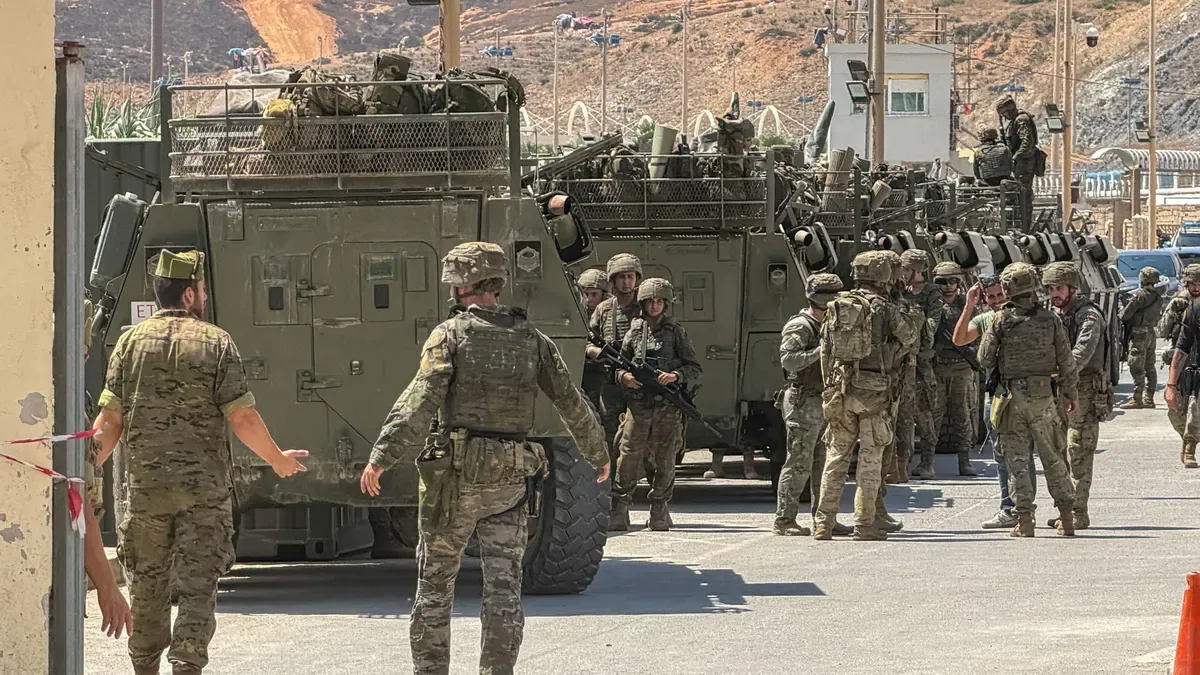

The ongoing crisis in Ceuta, which has escalated since July, highlights the complex dynamics between Morocco and Spain. Despite early suspicions regarding the Moroccan authorities' lax control over the border, which allegedly facilitated the massive influx of migrants, the diplomatic fallout between the two nations has not been as severe as one might expect. In fact, several Spanish ministers have recently praised Morocco's handling of the crisis, a position that appears to downplay any potential ulterior motives from the Moroccan government. This has opened the door for the opposition to suggest that Morocco might be employing a form of blackmail against Spanish Prime Minister Pedro Sánchez, who seems to be under pressure. But what is the source of these allegations?
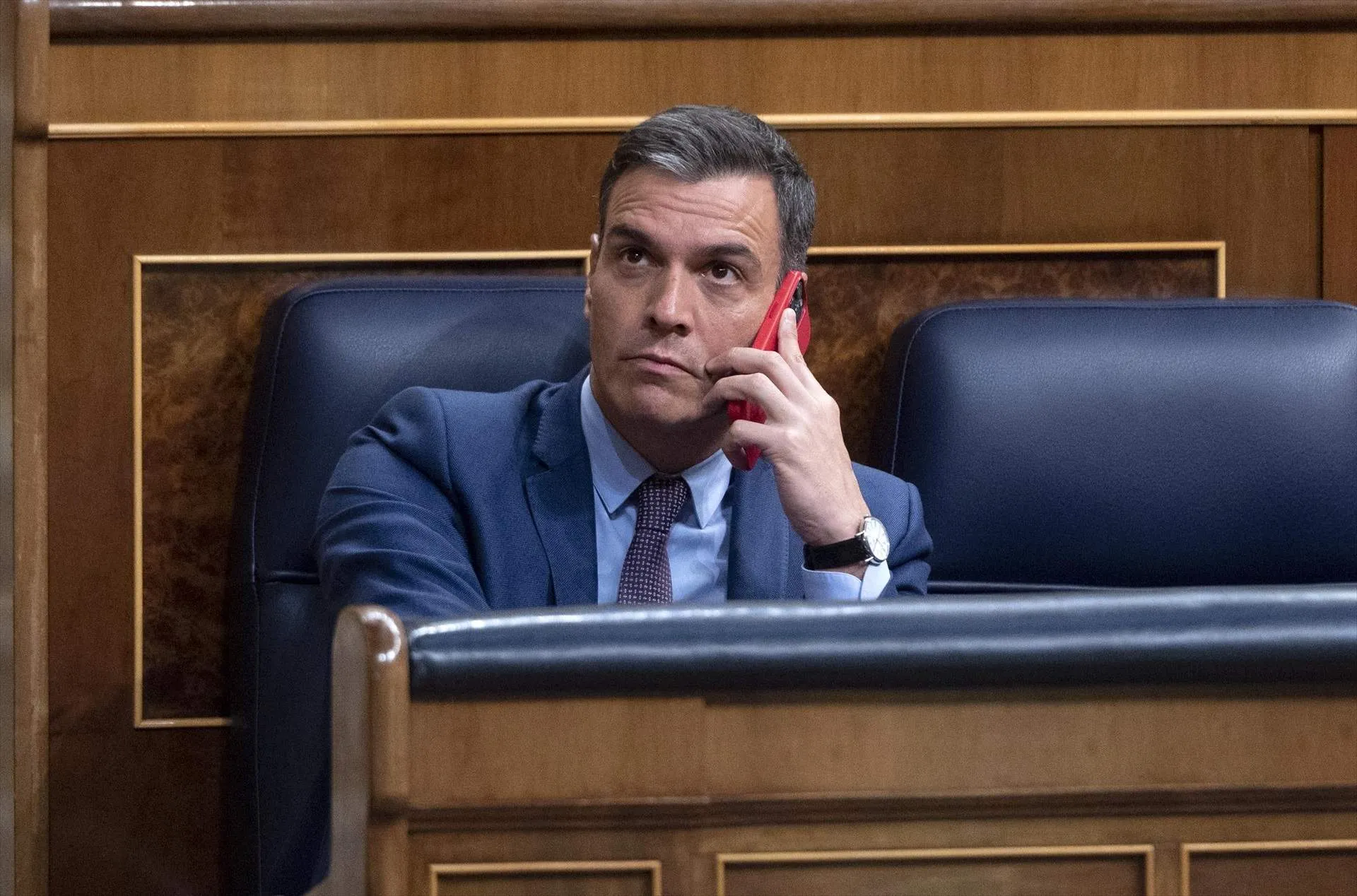
To understand the origins of these suspicions, one must look back to 2020 and 2021, when it was confirmed that Sánchez's mobile phone had been infected with the Israeli spyware Pegasus, resulting in the extraction of approximately 2.57 gigabytes of data, according to reports leaked by the NGOs Forbidden Stories and Amnesty International. Investigative journalism from international outlets like The Guardian and Le Monde has pointed fingers at Rabat as the culprit behind this data breach. Published reports suggest that Morocco deliberately targeted over 200 Spanish mobile phones for surveillance. Adding fuel to the fire, this week saw the emergence of new information regarding the leak of 70,000 data entries concerning secret agents that the Moroccan regime allegedly dispatched on special missions to Spain. Recently, a group of hackers linked to Algeria revealed details about Moroccan agents who have reportedly spied on and bribed Spanish politicians and business leaders.
Jabaroot: The New Threat
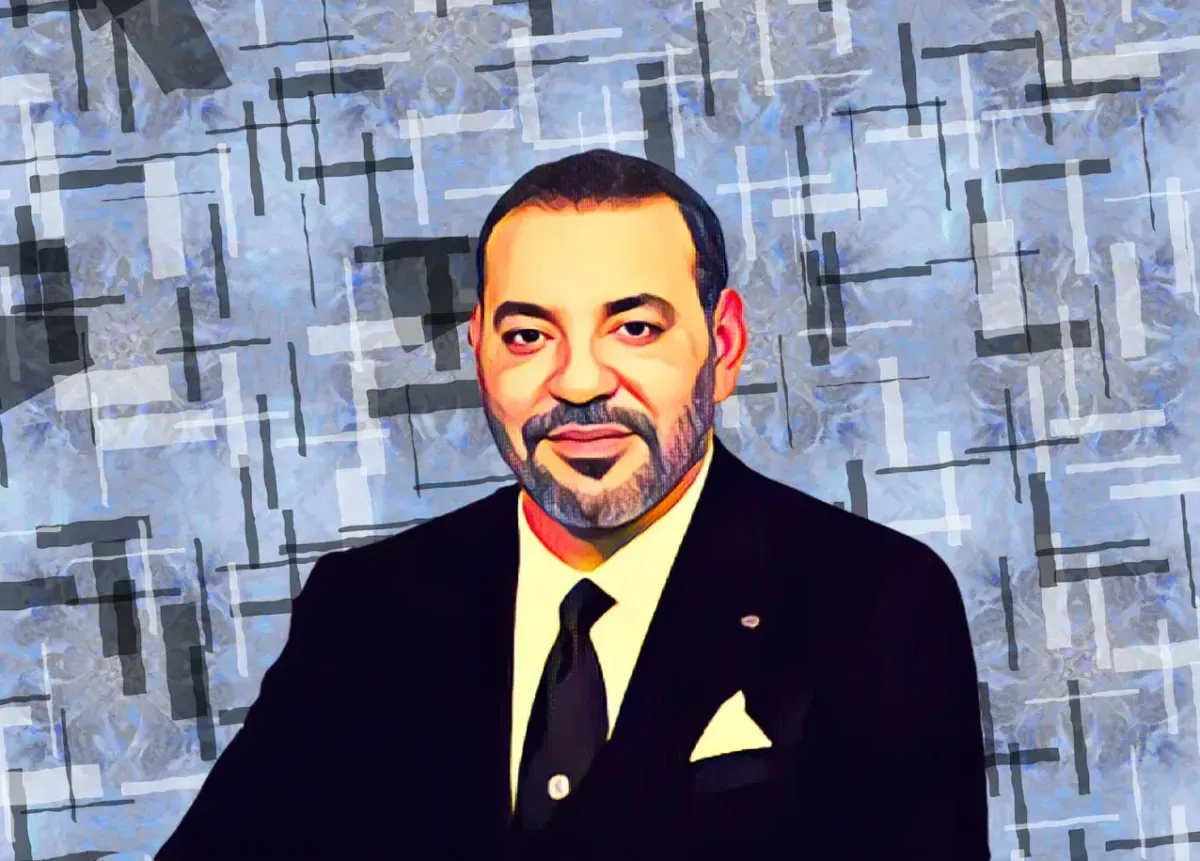
Beyond the realm of espionage, a pivotal factor that has surfaced in discussions of potential blackmail is Spain's historic shift regarding Western Sahara. This change occurred in 2022, shortly after the Pegasus infection was detected on Sánchez's phone. In a surprising move, Spain altered its longstanding position by sending a letter to King Mohammed VI, endorsing Morocco's proposal to transform the former Spanish colony into an autonomous region under Moroccan control. This controversial decision was made in secrecy, without prior notification to the Spanish Congress, leading opposition parties to speculate that Morocco might be leveraging personal information extracted from Sánchez's phone as a means of coercion. This theory has gained traction in recent weeks as the Ceuta crisis continues to intensify without any resolution in sight. Additionally, the hacker group known as Jabaroot has threatened to expose the files that Morocco allegedly obtained from Sánchez's mobile device.
As reported by elnacional.cat.