The Evolving Role of Morocco on the Global Stage
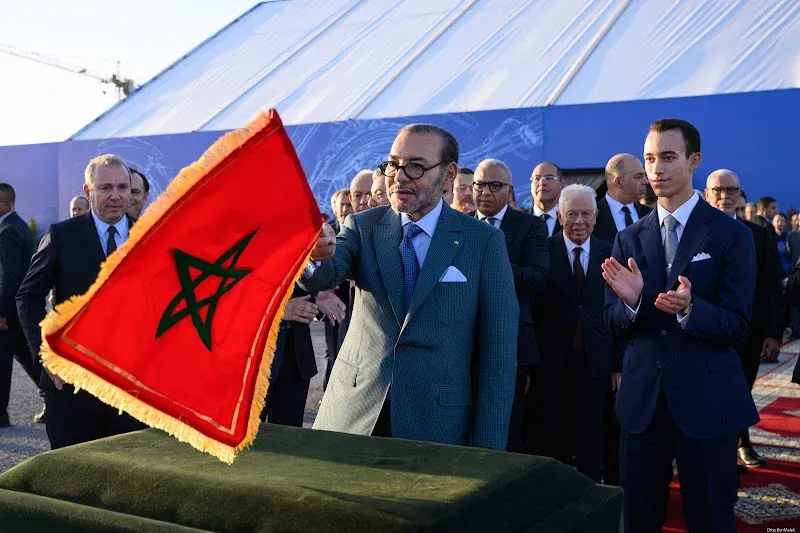
In recent years, Morocco has transformed its international standing from being merely a stable nation in a tumultuous regional environment to becoming a recognized player on the global stage. This shift is attributed to the leadership of King Mohammed VI, who has fostered a new image of Morocco characterized by trust in its institutions and effectiveness in addressing critical issues such as security, defense, and digital transformation. Morocco is now perceived not just as a model of stability but as a contributor to global stability itself.
Strategic Partnerships and Global Security Initiatives
A recent development underscoring this transformation came from Washington, D.C. On April 14, 2026, the United States announced Morocco's inclusion in a task force created by the White House to prepare for the upcoming 2026 World Cup. This is not just a ceremonial role; it signifies Morocco's entry into a critical U.S. initiative for securing one of the world’s largest sporting events. Being the first international partner chosen by the White House for this task highlights Morocco's expertise in managing security for major events, establishing it as a trusted ally in sensitive matters.
This growing international role is not an isolated event. Earlier in January 2026, a delegation from the FBI visited Morocco to assess security arrangements for major events. Similarly, France has strengthened its cooperation with Morocco in preparation for the Paris Olympics, publicly acknowledging the value of Moroccan intelligence in combating terrorism. These partnerships illustrate a continuous trajectory that positions Morocco as a go-to expert for countries seeking security collaboration.
Internally, Morocco's reputation has been reinforced by the 2026 Global Terrorism Index, which ranks it among the countries most resilient to terrorist threats. This recognition is particularly significant given the evolving nature of global threats, from traditional organizations to new forms of digital extremism. Thus, Morocco is viewed as a proactive partner capable of neutralizing threats before they escalate.
Central to this evolution is Abdelatif Hammouchi, a key figure in enhancing Morocco's security professionalism and international credibility. His tenure has been marked by expanded security and intelligence cooperation with various partners, solidifying Morocco's image as an effective and trusted security institution. Under King Mohammed VI’s leadership, the focus on security and stability has become a cornerstone of Morocco’s modern state project, emphasizing strong institutions and competent personnel to safeguard national interests.
The military sector has also played a crucial role in this evolving narrative. Under the leadership of King Mohammed VI, Morocco has embarked on a clear path to modernize its defense capabilities and enhance military partnerships. This strategic approach goes beyond traditional armament to encompass a vision of strategic positioning and sovereignty-building. Recent high-level discussions in Washington on April 16, 2026, between Moroccan military leaders and U.S. officials during the 14th session of the Moroccan-American Defense Consultative Committee reflect the depth of the defense relationship between Rabat and Washington.
Furthermore, Morocco's military modernization efforts are not merely aspirational, as evidenced by active engagements in the defense sector and the establishment of a legal and institutional framework to support national defense initiatives. This ambition signifies a clear shift from being an importer to aspiring to develop domestic military capabilities, reinforcing Morocco’s position as a reliable actor within its regional and international contexts.
Moreover, Morocco’s military engagement transcends mere equipment procurement or joint exercises. It reflects a broader institutional drive, led by the monarchy, aimed at establishing Morocco as a trustworthy player within its regional, Atlantic, Mediterranean, and African domains. This is evident in the intersection of military modernization with expanded defense partnerships, all under the royal vision that emphasizes the link between sovereignty protection and power consolidation.
Morocco’s influence also extends across the Mediterranean, where close cooperation with Spain in counterterrorism has evolved into an operational model based on real-time information sharing and coordination against transnational threats. The statistics regarding disrupted terrorist cells and arrests confirm that this is not a temporary partnership but a robust security collaboration that positions Morocco as a direct contributor to Mediterranean security.
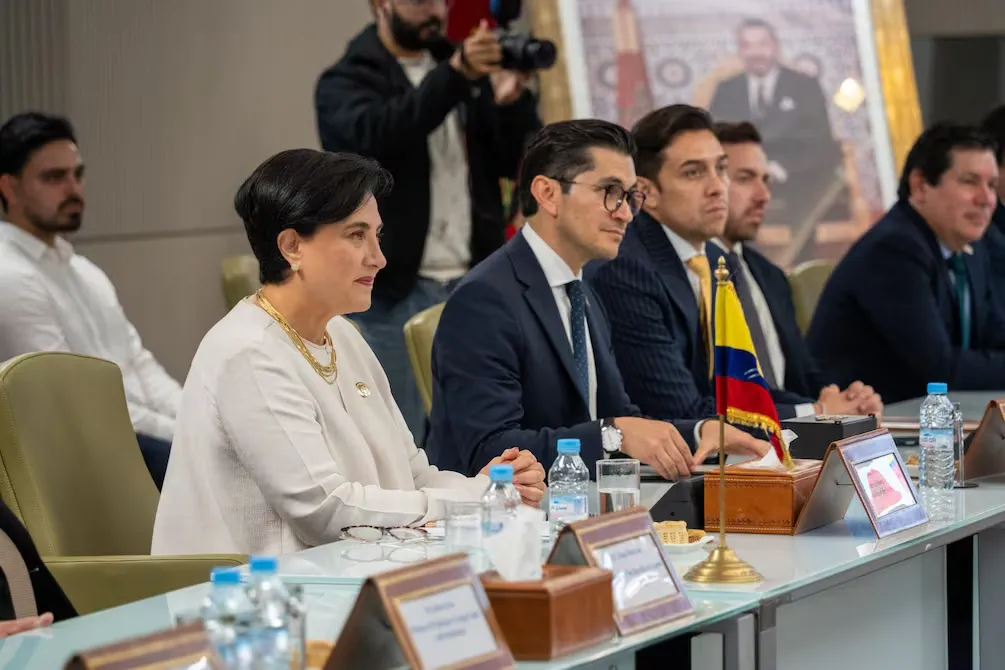
The recent remarks by Josep Borrell, the European Union's High Representative for Foreign Affairs and Security Policy, during his visit to Rabat on April 16, 2026, further emphasize Morocco’s role as a “close, reliable, and strategic partner” for the EU, underscoring its essential contributions to regional security and stability.
As reported by hespress.com.