Unveiling the Literary Heritage of Ramón Buenaventura
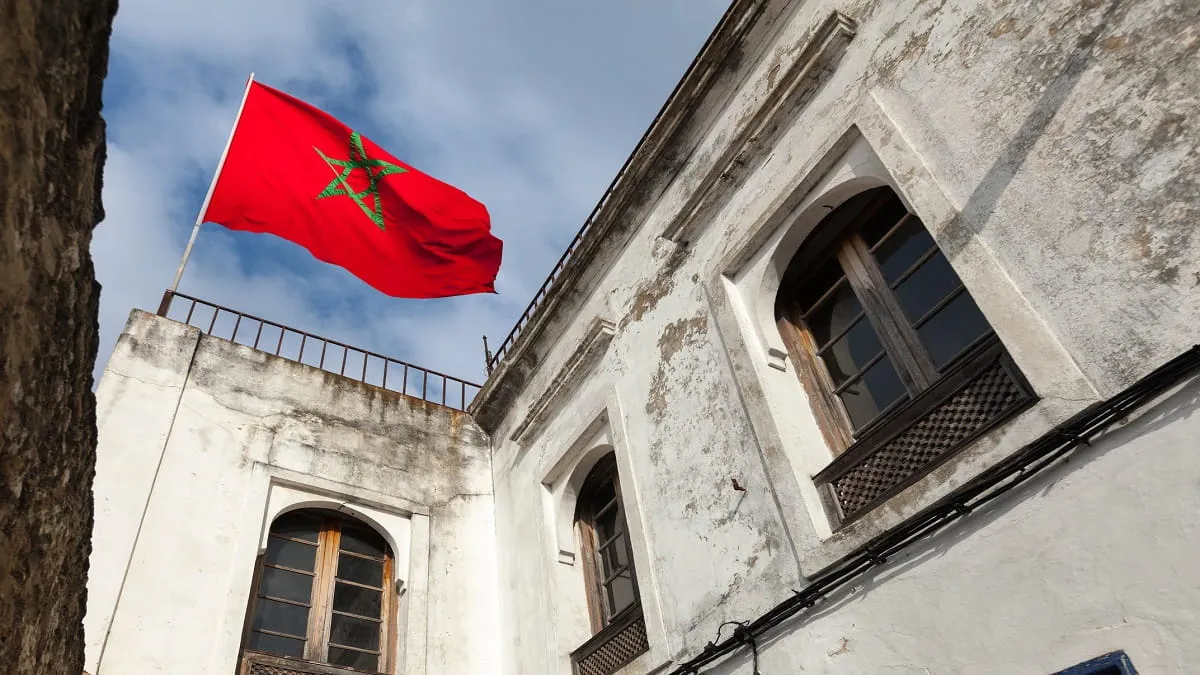
Spain's historical connection with Morocco as a protectorate is a chapter that is often overlooked, yet it is a significant aspect of the country’s cultural narrative. This relationship has given rise to prominent literary figures, among which is the esteemed poet Ramón Buenaventura, whose roots trace back to the vibrant cities of Larache and Tangier. Although Spanish literature from the 20th century tends to prioritize prose, Buenaventura's contributions stand out, ensuring he remains a pivotal figure in Spain's literary canon.
Born on June 25, 1940, in Tangier—a cosmopolitan city that thrived under international influence—Buenaventura's early life was enriched by the diverse cultural tapestry surrounding him. His upbringing in this multicultural environment has profoundly shaped his literary voice, which is characterized by a broad, cosmopolitan perspective that resonates throughout his works. After relocating to Pozuelo de Alarcón, he pursued an extensive academic career, enrolling in the prestigious Complutense University of Madrid, where he studied Law and Political Sciences, complemented by his education at various esteemed institutions including the Official School of Languages and the Diplomatic School.
His unyielding passion for education enabled Buenaventura to emerge as one of the most adaptable writers of his time, excelling not only in poetry but also in translation, thereby bridging cultural divides. Throughout his career, he worked in multinational corporations before shifting his focus towards editorial and media ventures, along with academia. Nevertheless, his unwavering devotion to writing remained at the forefront of his pursuits.
Buenaventura's literary oeuvre is both extensive and varied, comprising seven poetry collections, four novels, a short story volume, a biography on Arthur Rimbaud, and an anthology spotlighting contemporary Spanish poetry written by women. His role as a translator has also been instrumental, bringing influential international authors such as Sylvia Plath, Kurt Vonnegut, Philip Roth, and F. Scott Fitzgerald to the Spanish-speaking audience, thereby solidifying his reputation within the publishing world.
His illustrious career has garnered multiple accolades, including the Miguel Labordeta Poetry Prize, the Villa de Madrid Award for Best Novel in Spanish, the Stendhal Translation Prize, the Fernando Quiñones Novel Prize, and the National Prize for the Work of a Translator in 2016. Buenaventura's story is not an isolated case; it parallels that of another notable Spanish writer, Luis Martín-Santos Ribera, who was also born in Morocco during the protectorate era. Martín-Santos's early life in Larache, where his father worked as a military doctor, eventually led him to a distinguished career in medicine and literature, further illustrating the rich and intertwined narratives of Spanish literary figures originating from Morocco.
As reported by okdiario.com.