
The Cultural Significance of Imlchil's Engagement Season
Nestled high in the Atlas Mountains of Morocco at an altitude of approximately 2,500 meters above sea level lies the quaint town of Imlchil. This serene yet rugged landscape is home to a rich tapestry of history and culture, encapsulated in a legendary love story that has transcended generations. Each year, as the agricultural season comes to a close, the local community gathers to celebrate the Engagement Season, a vibrant festival that not only cements marital bonds but also reinforces social and human connections among the inhabitants. The festivities kick off between the towns of Bouzmo and Imlchil in the Midelt province, marking the commencement of the 2026 Engagement Season alongside the High Atlas Music Festival. This cultural and social phenomenon unfolds over three days under the banner of "Intangible Heritage: A Bridge Between the Past and the Future." One of the key highlights of this season is the collective marriage contract ceremony, which celebrates multiple unions while honoring local traditions that have been historically associated with the Ait Hdidou tribes.
A Celebration of Tradition and Artistic Expression
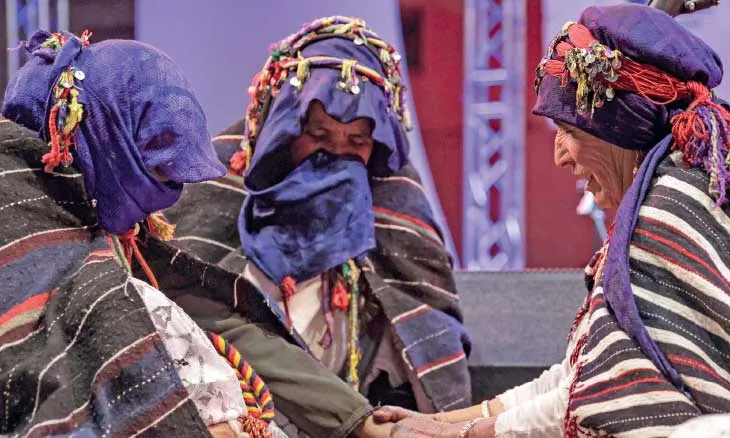
The organizing association, known as "Akhayam," has emphasized that the residents of this region have long valued the documentation of marriage contracts. Traditionally, the timing of this season aligns with the conclusion of agricultural work and the preparation for a joyous period of celebrations. Despite the widely recognized name "Engagement Season," many locals dispute this label, arguing that the event's significance extends far beyond its nomenclature, possessing deeper cultural and social connotations. They assert that this term only gained official recognition post-independence. Conversely, concerns have been raised regarding the potential misuse of this occasion as a facade for early marriages, particularly concerning the documentation of "Fatiha Marriage" contracts. Alongside the social dynamics, the festival prominently features artistic expressions, showcasing local music and culture. Visitors are treated to an array of performances that highlight the rich musical heritage of the High Atlas region, including enchanting nights filled with traditional songs and vibrant displays by Amazigh folkloric groups. Notably, the famous "Ahidous" dances, cherished by the Ait Hdidou tribes, breathe life into the surrounding mountains, creating a magical atmosphere that combines melody, dance, and authentic traditional attire.
The roots of this unique celebration stem from a poignant romantic tale commonly recounted in the High Atlas region of Morocco. According to legend, a young man from the Ait Ibrahim tribe fell in love with a girl from the Ait Iza tribe, and their desire to wed was thwarted by the intense animosity between their tribes. In a desperate bid for love, the couple fled to the mountains. The legend diverges into two narratives: one tells of the young man drowning himself in a lake that came to be known as "Isli" (the groom), while the girl submerged herself in another lake named "Tislit" (the bride). The alternative version depicts the lovers weeping so profusely after their escape that their tears formed these two famed lakes. Regardless of the variations in the story, both narratives converge on a shared theme of regret, with both tribes lamenting their rejection of this union. To atone for their past mistakes, they instituted this annual season, aimed at facilitating and encouraging the marriages of the region's youth.
As reported by alquds.co.uk.