
The Current Crisis in Ceuta
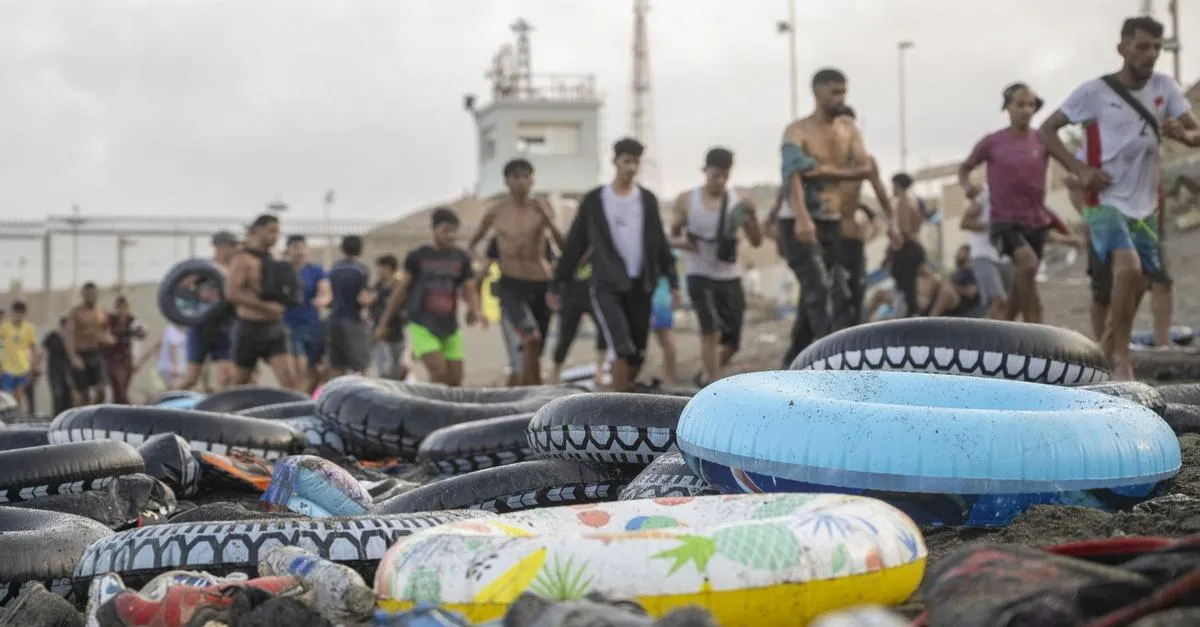
As the situation in Ceuta unfolds nearly four weeks after an influx of migrants reached the Spanish enclave in North Africa on July 30, the circumstances remain alarmingly dire. Contrary to claims from politicians and journalists suggesting a return to normalcy, the reality is starkly different. The conditions have been deplorable for years, and the current state is no exception. Thousands of individuals are facing severe hunger, often receiving only a single meal per day. Many have remained in the same clothes since their arrival, exacerbating the already critical hygiene situation. Public health continues to be at risk, with no access to toilets or showers, forcing individuals to relieve themselves in the woods. Tragically, hundreds of children, both boys and girls, are left to fend for themselves on the streets.
The Struggle for Basic Needs and Responsibility
The failure to provide essential support appears to stem from a deliberate strategy rather than mere negligence. It seems that authorities may not be aiming to let these individuals starve, but rather to push them to the brink of desperation, convincing them that returning to Morocco is their best option. This would allow officials to boast about the number of people opting for what they term "voluntary return." The situation is further complicated by a lack of communication between the regional government of Ceuta and the central Spanish government, with both sides shifting blame to one another. In various meetings, officials from both levels have evaded responsibility, each insisting that the issue falls outside their jurisdiction.
The collective effort of humanitarian organizations, notably No Name Kitchen, has grown significantly in response to the urgent needs. Initially, the team consisted of just four members; it has now expanded to 19, reflecting the overwhelming demand for assistance. The organization is now preparing over 1,000 meals daily while also distributing water, hygiene products, and clothing, and providing legal support. However, despite their best efforts, they are unable to reach everyone in need, with hungry individuals continuing to outnumber the resources available. The government's response has been to increase police and military presence, yet this militarization has not curbed the violence that many, including minors, face on a daily basis. Reports of aggression from the Policía Nacional, particularly towards minors gathered at the sole registration point, have become increasingly common, as has the violence directed at NGO workers. This hostile environment has forced humanitarian workers to endure intimidation and harassment, making their mission even more challenging.
Concerningly, there has been a noted rise in sexual violence and human trafficking related to prostitution, particularly affecting women and minors. The absence of a dedicated reception center for women and girls in the initial days of the crisis may have contributed to this uptick in abuse. The regional government is now contemplating the distribution of 500 minor females to mainland Spain, a proposal that has faced vehement opposition from regional right-wing governments. Furthermore, while local citizens have stepped in to fill the void left by the state, particularly in impoverished neighborhoods like Barriada del Príncipe and Sidi Embarek, the burden should not fall solely on them. Many residents have opened their homes, offering shelter and support, but the protection of vulnerable groups such as minors and women must be prioritized by authorities.
The situation in Morocco also merits attention, as the government has intensified crackdowns on dissenters and marginalized groups, leading to a worsening economic climate. Many youths arriving from Morocco express their disillusionment, stating they live under a dictatorship and yearn for a better future. The European Union’s new migration and asylum pact, enacted on June 12, has further complicated matters. The new regulations allow for the immediate deportation of individuals arriving from Morocco, deemed a "safe third country." This has resulted in an already overwhelmed system being pushed to its limits, as Spain and EU member states scramble to adapt to the new protocols without adequate preparation or training for law enforcement. The process now mandates that individuals register within seven days, a timeline that authorities seem intent on enforcing strictly to facilitate deportations.
As reported by jungle.world.