
Understanding Morocco's Socioeconomic Landscape
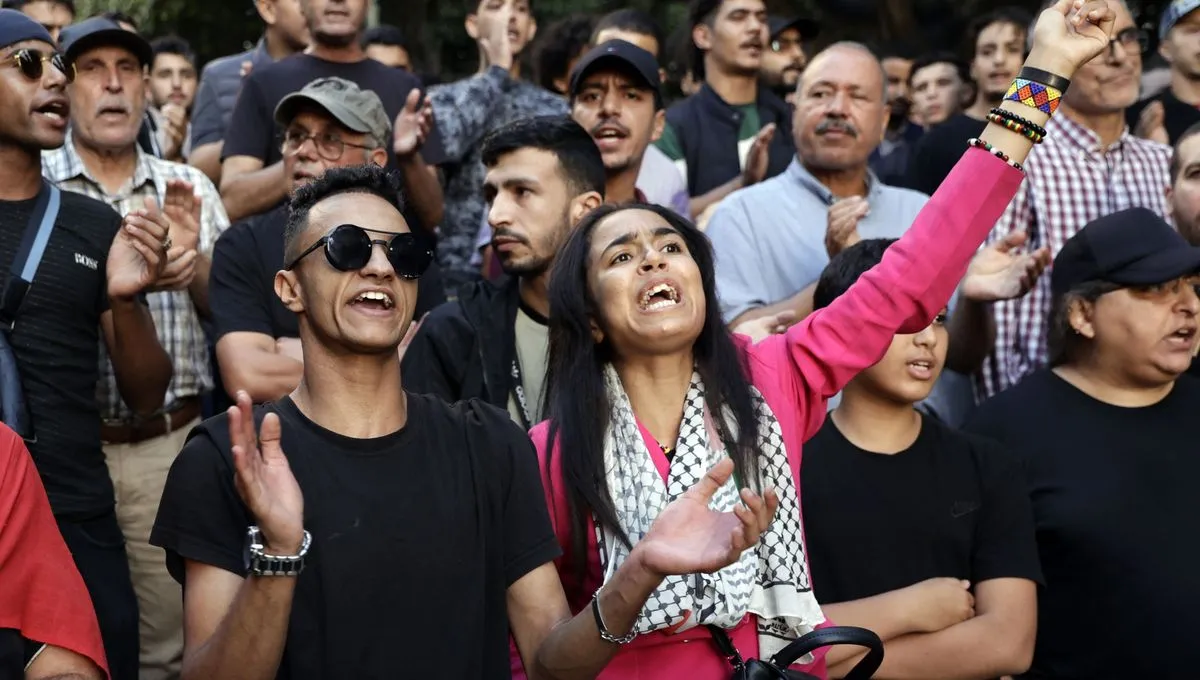
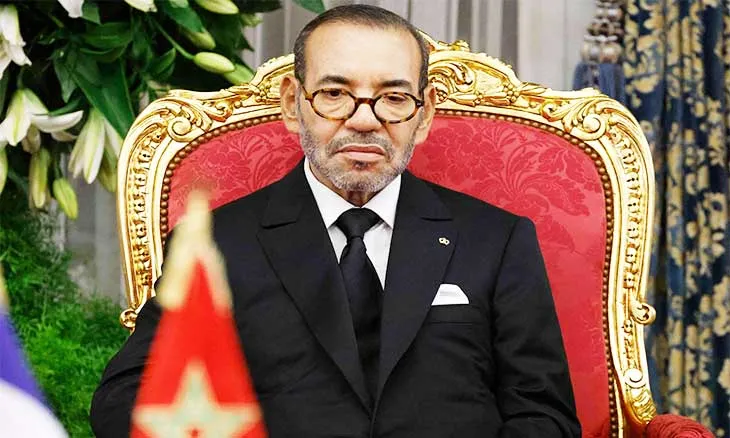
This morning marked a significant moment in Morocco as the nation prepared for its legislative elections. A journalist on a French news channel raised an intriguing question regarding the underlying discontent in the kingdom ruled by King Mohammed VI. This unease is manifested in two primary ways: the widespread youth protests that erupted a year ago, associated with the identity of a generation known as "Generation Z"—those born between the late 1990s and the early 2010s—and the heartbreaking plight of tens of thousands of Moroccan youths (estimated at around 80,000) who attempted to migrate to Europe by swimming to the Spanish enclave of Ceuta two months ago. The French journalist attributed his astonishment to the reported growth rate of Morocco's economy, which was projected to be 4.4% in 2024 and 4.9% in 2025, likely derived from the "Basic Statistics" report for 2026 released by the High Commission for Planning.
While these figures may seem impressive, they reflect a superficial understanding of international economic development. A growth rate of 4-5% might appear robust when compared to the current growth metrics of developed industrial nations, where the United States recorded a growth rate of 2.2% and the European Union just 1.5% (with France at a mere 0.8%) in 2025, according to World Bank data. However, it is essential to recognize that for developing nations, a significant acceleration in growth is necessary to escape what has traditionally been termed "underdevelopment" and align with global economic progress.
For instance, during the formative years of Generation Z, China's economy experienced average growth rates exceeding 10%, maintaining a rate of 5% in 2025, despite the substantial economic leap that elevated it far above the Moroccan economy. Furthermore, economic growth rates lose their significance unless contextualized with population growth rates; economic growth that fails to surpass population growth does not constitute genuine development. The disparity between these figures can exacerbate unemployment and deepen social crises. Thus, the GDP growth per capita—reflecting the interplay between economic and population growth rates—serves as a more truthful indicator, particularly for developing countries like Morocco, where poverty exacerbates population growth.
In this context, the "Social Indicators of Morocco" report for 2026, published by the same High Commission, provides more revealing insights into the country's actual situation (notably, the report is available only in French, not Arabic). It indicates that the real GDP growth rate per capita remained below 3% in 2023 and 2024, a notably low figure for a developing country, hindering any tangible economic advancement. In contrast, the aforementioned figures in China hovered around 10% during the formative years of Generation Z and exceeded 5% in 2025, resulting from a combination of sustained economic growth and a significant decrease in population growth, attributable to higher living standards and stringent state policies.
The conclusion is clear: Morocco's economic growth continues to lag behind population growth, failing to integrate into the developmental cycle. The report also highlights the alarming youth unemployment rate, which soared to nearly 40% in 2024, despite the common knowledge that official statistics often underrepresent the true state of affairs. Official figures reveal that the unemployment rate among degree holders is around 26%, indicating that education no longer guarantees upward social mobility. Had the French journalist examined these statistics, he would undoubtedly understand the roots of the social unrest among the youth manifested in the protests of Generation Z and the migration crisis at Ceuta.
This situation mirrors the experiences of other Arabic-speaking countries that have been grappling with a structural crisis for decades, reflected in low development rates that fail to accommodate population growth, resulting in soaring youth unemployment—the highest globally in our region compared to other parts of the world (as discussed in my book "The People Want: A Radical Exploration of the Arab Uprisings" published in 2013). Recognizing the reality of this structural crisis is what prompted me to assert, following the so-called "Arab Spring" in 2011, that this regional uprising was merely the beginning of a prolonged revolutionary process. During this period, our region will likely experience successive waves of social upheaval and will never return to the authoritarian stability that prevailed for two decades prior to 2011.
As reported by alquds.co.uk.