The Art of Preparing Tanjia in Marrakesh
In the vibrant city of Marrakesh, Akram Khay and his friends have cultivated a tradition that goes beyond mere dining; it encapsulates a communal experience steeped in the rich cultural fabric of Morocco. Each month, or sometimes even weekly, they gather in a public garden to indulge in a delectable pot of tanjia, a tender meat stew that is not only a feast for the palate but also a part of a ritual that embodies the spirit of togetherness. Unlike many Moroccan dishes that are prepared in the privacy of one’s kitchen, tanjia is uniquely cooked in communal spaces such as hammams—traditional bathhouses—and local ovens. The preparation of this dish involves a meticulous process that weaves through the narrow, bustling streets of the medina, showcasing the interconnectedness of the community.
From Clay Urns to Communal Ovens: The Journey of Tanjia
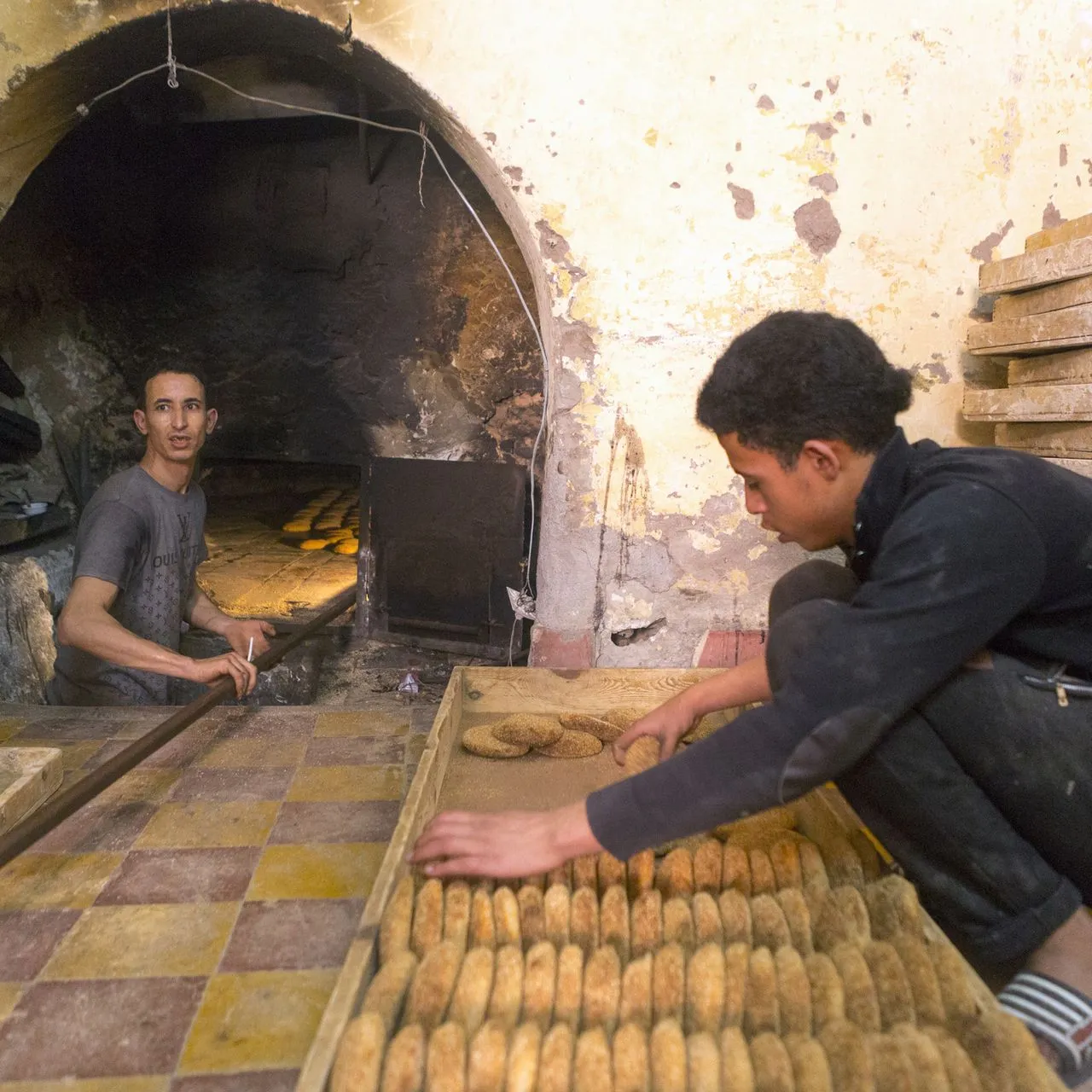
The preparation of tanjia is a collective endeavor that begins with Khay's journey through the medina, where he sources the essential ingredients. He makes stops at various local vendors, from the butcher who provides the beef shank to the potter who crafts the traditional unglazed clay urn known as a tangia. The process is straightforward yet requires the expertise of multiple hands—spices like preserved lemon, cumin, saffron, garlic, and olive oil are added to the pot, which is then sealed and entrusted to the furnachi, or oven operator, at a nearby hammam. The urn is buried in the residual embers of the wood-fired furnace, and for a small fee, it is left to slow-cook for approximately four hours. When Khay and his friends return to collect the pot, they are greeted by an aromatic burst of citrus and spices that wafts from the urn, revealing a dish characterized by meltingly tender meat and a smoky flavor that speaks to the essence of communal cooking.
The significance of tanjia extends beyond its delicious taste; it reflects the social structure of Marrakesh, where communal systems evolved due to factors such as dense housing and limited resources. The hammams and communal ovens, or ferranes, have been integral to Moroccan life for centuries, serving as hubs for hygiene, heat, and social interaction. These spaces are not merely functional but are vital to the urban landscape, connecting neighbors in a shared rhythm of life. As Nargisse Benkabbou, a Moroccan chef and author, notes, tanjia is emblematic of a culinary tradition that resonates deeply with the city’s identity, offering a glimpse into the communal ties that bind its residents.
In recent years, the evolution of tanjia has mirrored broader changes in Marrakesh, particularly with the influx of tourism. While the traditional preparation of tanjia remains cherished by locals, restaurants have begun to present this dish as a curated symbol of the city's culinary heritage. Establishments across the medina showcase rows of clay urns, promoting tanjia as both a meal and a spectacle for visitors eager to experience authentic Moroccan culture. However, as Benkabbou explains, the shift to restaurant dining has altered the context of this dish, transforming it from an everyday ritual to a symbolic representation of local identity. Despite these changes, whether enjoyed in a communal setting or at a bustling restaurant, tanjia continues to evoke the rich history and communal spirit of Marrakesh.
As reported by smithsonianmag.com.