Rediscovering Ancestral Voices
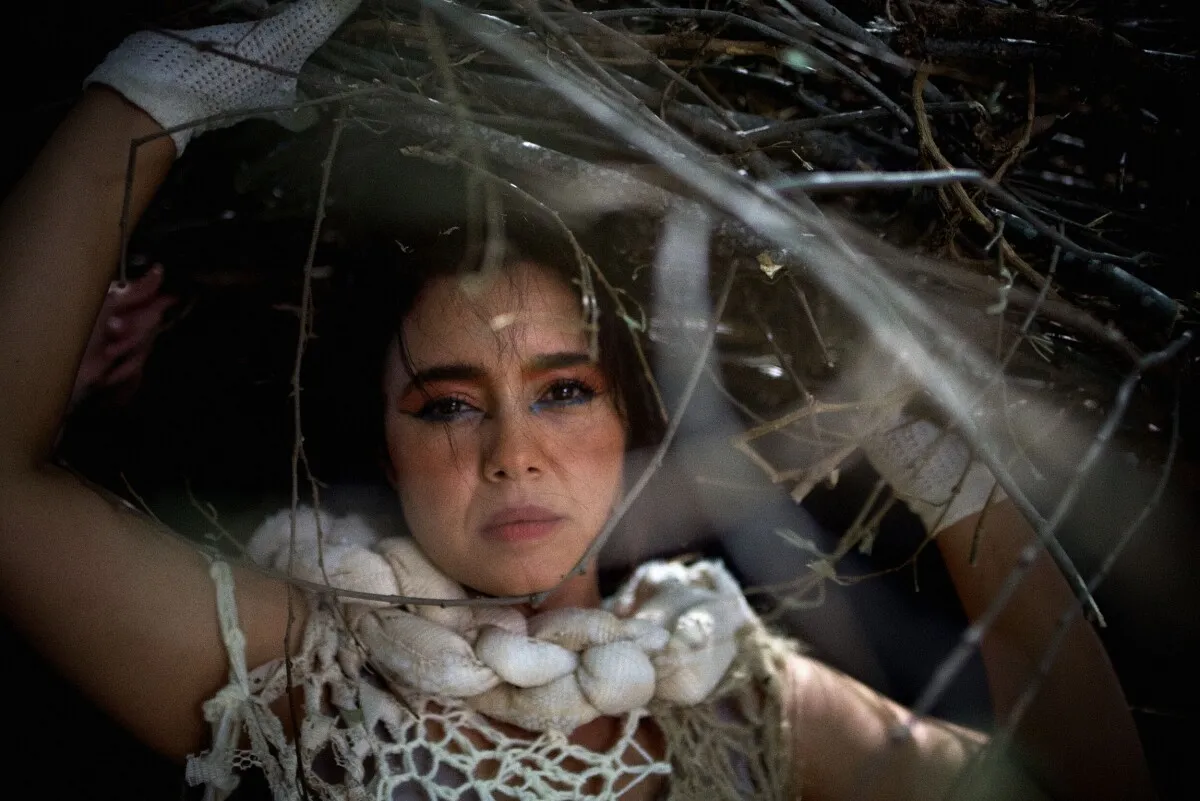
Neta Elkayam, an internationally acclaimed singer and multidisciplinary artist, embarks on a profound journey of memory and migration through her music, illuminating stories that have long been silenced. Recently, she stumbled upon a collection of old tape recordings from the Camp du Grand Arénas, a French transit camp that housed Moroccan Jews during the mid-20th century. These recordings, made by folklorist Prof. Yissakhar Ben-Amir, captured the voices of individuals migrating from Morocco to Israel in the 1950s and 60s, providing Elkayam with what she describes as a magical treasure. “These tapes transported me to a time when my community faced fragility and uncertainty, especially the women who were often voiceless,” she shares while walking through her neighborhood in New Orleans. The recordings resonate with the sounds of immigrant women, their melodies punctuated by the chaos of life, and prompted Elkayam to reflect on her own familial heritage, particularly the traditions passed down from her grandmother.
Creating a Modern Mosaic of Heritage
Elkayam's latest album, Arénas, represents a beautiful amalgamation of Moroccan Jewish music infused with contemporary sounds, as she collaborates with her husband, Amit Hai Cohen. This project serves as a tribute to her ancestors, with Elkayam's voice acting as a conduit for the women whose stories she seeks to revive. The album features original compositions alongside reinterpretations of scattered lyrics from the recordings. Elkayam's creative process involves meticulously shaping these fragments into modern expressions while preserving their historical essence. For instance, the track “Hawa Hawa” emerges from Elkayam's fascination with a recurring word in the tapes, encapsulating the spirit of community and resilience among women. This exploration of music is not merely an artistic endeavor; it is a reclamation of identity and a response to the historical complexities surrounding migration.
Elkayam articulates that her music is not just a nostalgic nod to the past but a living, breathing reflection of her journey and the legacies of her people. She emphasizes the importance of actively engaging with culture rather than relegating it to museums, asserting that true preservation lies in daily practice and celebration. This ethos is manifested in her tracks that juxtapose the historical narratives of her community with contemporary sounds and themes. Through her artistry, Elkayam aims to shed light on the often-overlooked experiences of women in migration, weaving their stories into the fabric of her songs. The poignant and powerful nature of her work resonates with the broader themes of loss, resilience, and the quest for belonging, making her music a vital part of the dialogue surrounding cultural identity today.
As reported by okayafrica.com.