
The Political Landscape of Migration in Ceuta
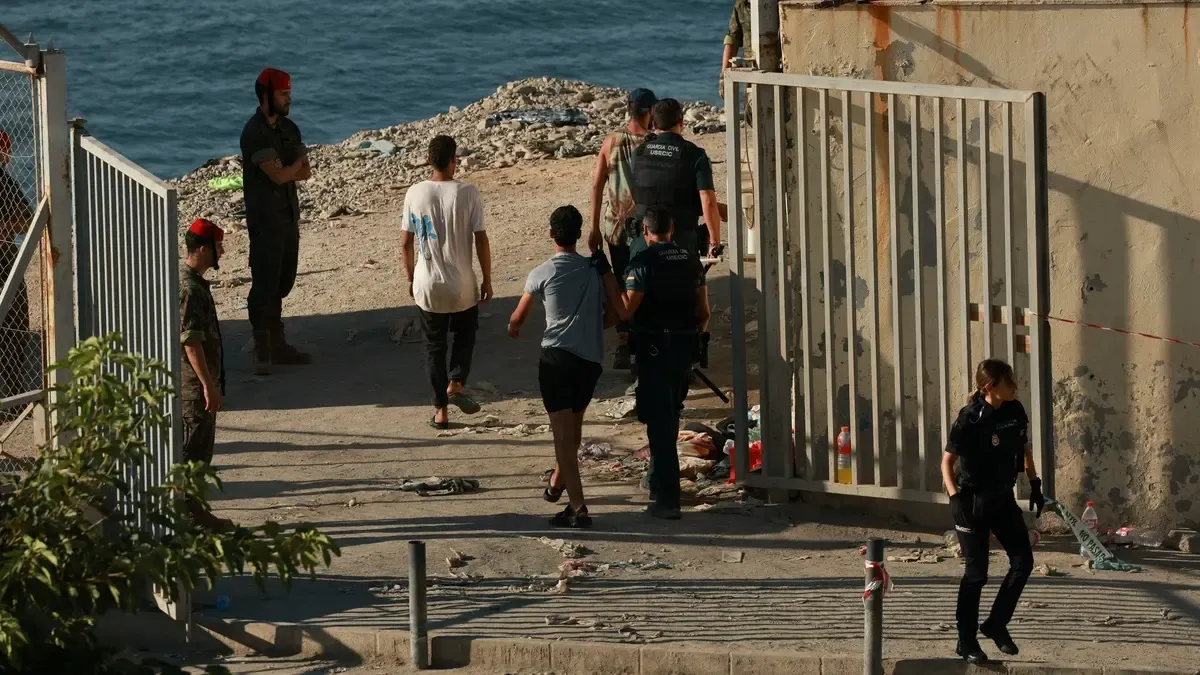
The recent surge of tens of thousands of migrants arriving in Ceuta, a Spanish exclave, has reignited discussions reminiscent of the European migration crisis of 2015. International media outlets have scrutinized the situation, with many attributing the chaos to a significant failure on the part of both the Spanish government and the European Union. The Spanish newspaper El País has highlighted Morocco's controversial use of migration as a geopolitical tool, criticizing the country for leveraging the situation to exert pressure on Europe. Furthermore, the media has observed a concerning trend of right-wing parties exploiting these events to fuel narratives of fear and division, effectively turning the migrant influx into a political weapon.
As reported by the New York Times, parallels have been drawn between the current crisis and the events of 2015, when millions of migrants, many fleeing the Syrian civil war, sought refuge in Europe. This time, however, right-wing politicians appear to be more empowered, often at the helm of governments or in close proximity to power. The Independent has noted how figures like Donald Trump have seized upon the situation, framing it as an 'invasion' and using it as a rallying cry for upcoming elections, thereby intertwining domestic political agendas with international migration issues.
Migration Dynamics and Europe's Response
The arrival of these migrants has not only highlighted the immediate challenges faced by Spain but has also exposed deeper rifts within the European Union. National leaders have criticized each other while failing to present a united front in the face of what they describe as a collective threat to European security and democracy. As El País argues, the EU has also failed in its duty to provide solidarity, instead allowing internal conflicts to take precedence over cooperative solutions.
Interestingly, despite the alarming headlines, many migrants returned to Morocco within 24 hours of their arrival, suggesting that the situation may not be as dire as portrayed. Nonetheless, the rhetoric surrounding the crisis has been characterized by a stark polarization, with right-wing politicians using fear-mongering tactics to warn of a looming migration wave. Le Monde has pointed out that this reflects a troubling trend of instrumentalization and division, rather than an opportunity for solidarity and collective action.
As Europe navigates these complex challenges, it is essential to recognize the lessons from past crises. The debate surrounding Ceuta serves not only as a reminder of the ongoing struggles with migration but also underscores the need for a more cohesive and compassionate approach within the EU. The current political climate demands a reevaluation of strategies to address migration, emphasizing cooperation over division, and humanity over political gain.
As reported by zeit.de.