The Vision for a Submarine Tunnel Between Two Continents
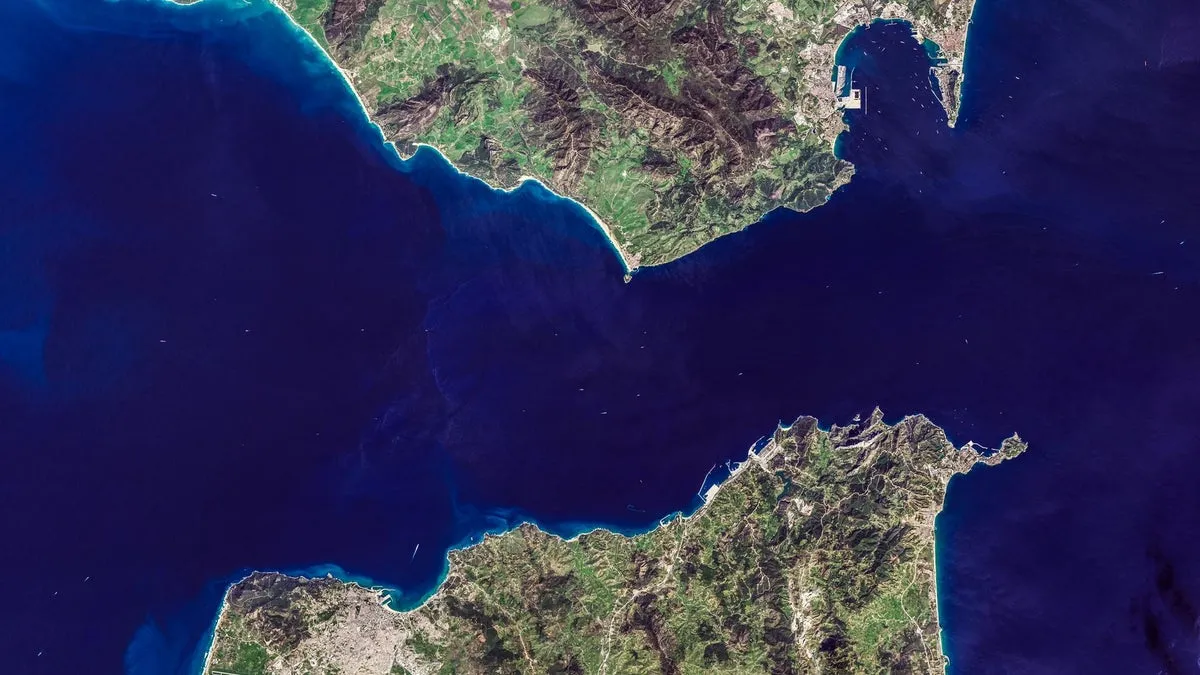
In 2026, the ambitious plan to create a submarine tunnel connecting Spain and Morocco will once again take center stage. This infrastructure project, regarded as one of the greatest engineering challenges of contemporary times, aims to link Europe and Africa through the Strait of Gibraltar. However, the development of this monumental undertaking continues to face significant obstacles due to technical difficulties and persistent project delays.
The concept of establishing a permanent connection between these two continents is not a new one; its origins can be traced back to the 19th century. Nevertheless, recent years have seen a renewed institutional momentum behind the initiative. The proposed tunnel is expected to span between 40 and 42 kilometers in length, with sections reaching depths of approximately 475-500 meters beneath the sea.
The most advanced design includes a railway infrastructure comprising two main tunnels and a service gallery, allowing for the transportation of passengers and goods in just half an hour. The anticipated costs are staggering, with the Spanish side alone projected to exceed €8.5 billion, underscoring the financial magnitude of this project for Spanish institutions.
Current Developments and Challenges
The Spanish government has approved new budget allocations in 2026 to continue with the technical research necessary for the tunnel's feasibility. Approximately €1.73 million has been specifically designated to study the route's viability and examine the underwater geology. The Spanish Society of Studies for Fixed Communication through the Strait of Gibraltar (Secegsa) is tasked with these efforts, collaborating closely with Moroccan authorities to advance the final design.
The ultimate aim of these investments is to address one of the project's most significant challenges: the geological complexity of the Strait, particularly in areas like the Camarinal threshold, where the terrain conditions pose substantial difficulties for drilling. Despite the progress made, the megatunnel continues to face considerable hurdles. Research indicates that unstable ground and geological faults make construction exceedingly challenging.
While modern technology could facilitate the execution of such a project, experts warn that it will require highly sophisticated and costly engineering solutions. These challenges help explain why the project has remained in the study phase for decades, despite its strategic importance for both nations.
One of the most intriguing aspects of the project is its completion date. Initially, it was proposed that the tunnel might be operational by the time of the 2030 FIFA World Cup, an event that Spain, Morocco, and Portugal are jointly coordinating. However, the latest data suggests that such a timeline is no longer feasible. Current estimates indicate that the potential inauguration may be pushed back to between 2035 and 2040, representing a significant delay from earlier expectations.
This shift in the timeline reflects the ongoing need to secure financing and coordinate the project on an international level, alongside its technical complexities. Despite these delays, the tunnel between Morocco and Spain remains a vital strategic infrastructure initiative. Its construction would enhance Spain's role as a link between Africa and Europe, while also stimulating tourism, mobility, and trade. Furthermore, it would allow Morocco to integrate into European transport networks, creating new economic opportunities on both sides of the Strait.
Thus, while the megatunnel is an ambitious and promising project, it also carries a degree of uncertainty. For now, the dream of traversing one continent to another beneath the sea will have to wait a few more years.
As reported by hola.com.