
Taxi Drivers Unite Against Fuel Subsidy Reductions
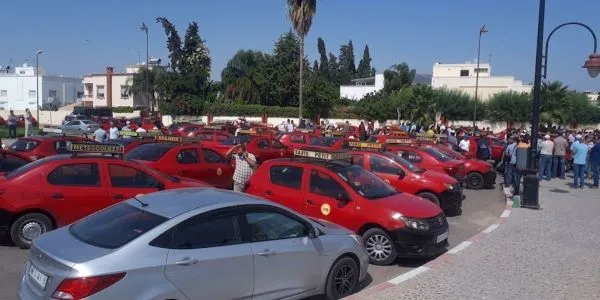
The regional office of the Democratic Organization of Taxi Drivers in the Fes-Meknes region has escalated its rhetoric regarding the proposed 40% reduction in fuel subsidies for various forms of road transport. This proposed cut, if implemented, is seen as a significant threat, potentially exacerbating the economic and social pressures already faced by professionals in the sector. In a strongly worded statement, the regional office expressed its vehement opposition to this measure, warning of its dire implications for taxi drivers who are already grappling with rising operational costs, increasing daily burdens, and declining purchasing power.
The organization believes that instead of implementing measures to alleviate their burdens and ensure better conditions for their economic and social roles, the government is introducing decisions that only add to the pressures endured by the transport sector. This situation has compelled the organization to elevate the discourse surrounding the subsidy cuts to a more institutional and political level. They assert that advocating for the interests of taxi drivers should not be limited to statements, protests, and union advocacy; it should also encompass the utilization of various constitutional and institutional mechanisms available.
Mobilizing for Upcoming Legislative Elections
In light of the upcoming legislative elections, the organization has called upon taxi drivers and transport professionals in the region to engage actively in the electoral process, rejecting any approach of indifference or boycotting. They emphasized the importance of heading to the polls on September 23, 2026, to exercise their constitutional right to vote. This participation is viewed not merely as a civic duty but as a crucial opportunity to express their stance on public policies that directly impact their professional, social, and economic conditions.
The organization stressed that the vote of a professional in the ballot box transcends the mere selection of a candidate or party; it is a form of expressing demands, expectations, and choosing representatives who can advocate for the challenges faced by transport professionals and enhance the transport and logistics sectors while protecting their rights and achievements. The organization also urged all professionals to engage responsibly and consciously in the political and civic processes, warning against leaving the field open to entities that may attempt to sway their votes or encourage them to abstain from participation.
The current phase, according to the organization, necessitates a stronger presence of taxi professionals within institutions, whether through social dialogue or democratic and electoral mechanisms, to ensure that their issues remain within the decision-making circle. The regional office of the Democratic Organization of Taxi Drivers in Fes-Meknes firmly stated that they refuse to become the "weak link" in the chain of economic decisions, emphasizing the need for their voices to be heard within institutions, social dialogue spaces, and at the ballot box.
This position highlights a shift in union discourse from merely opposing subsidy policies to leveraging the electoral process as an opportunity to articulate their stances on public policies affecting the transport sector. As the situation regarding fuel subsidies unfolds and the potential for a 40% cut looms, it appears that taxi drivers in Fes-Meknes have chosen to elevate their message and link the defense of their professional interests to active participation within institutions and the upcoming electoral events.
As reported by hibazoom.com.