
Alarming Migration Surge in Ceuta: A Conspiracy or Coincidence?
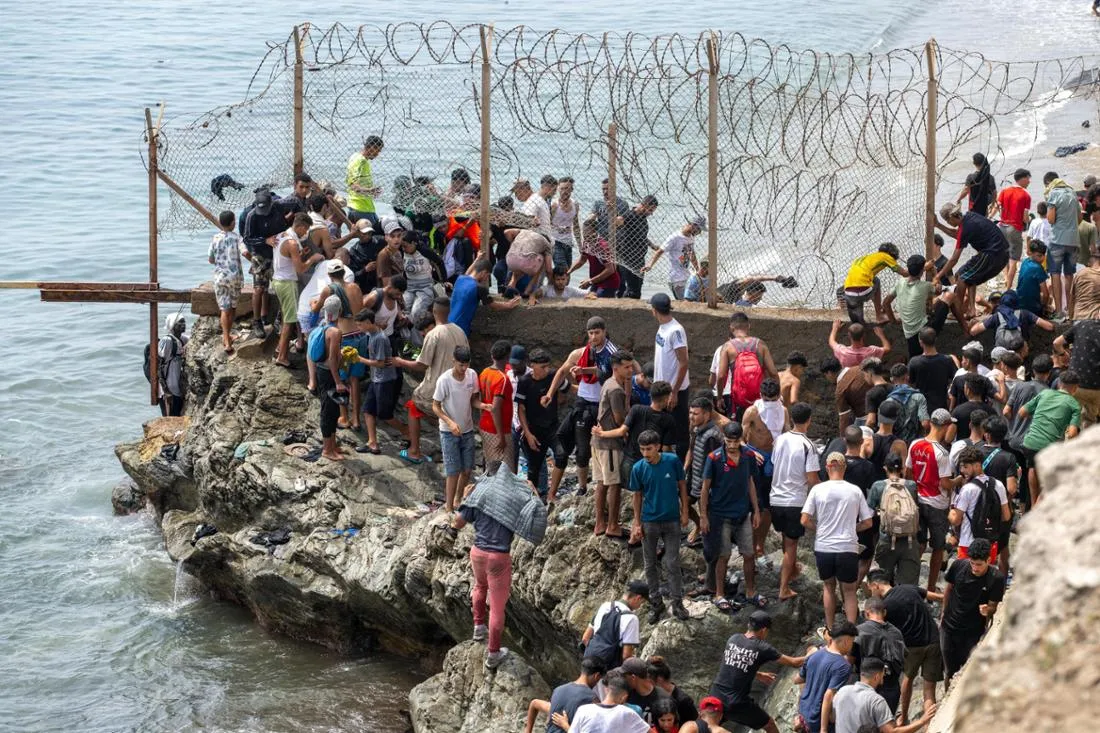
In recent weeks, the Spanish enclave of Ceuta has witnessed an unprecedented influx of migrants, with estimates suggesting that between 50,000 to 60,000 individuals have crossed over from Morocco. This alarming situation has sparked serious concerns among Spanish authorities, leading to suspicions that the Moroccan government may have intentionally allowed this escalation to exert political pressure on Spain. The harrowing images emerging from Ceuta, coupled with reports of significant loss of life, have intensified scrutiny regarding the actions of Moroccan officials. Reports indicate that at least 67 people have tragically lost their lives during this mass migration event, prompting urgent questions about the motivations behind this sudden surge.
The circumstances surrounding this mass arrival remain somewhat ambiguous. Spanish government sources have pointed to misinformation circulating on social media, which suggested that individuals who reached Ceuta by swimming would be immune from deportation. This claim appears to have fueled the mass exodus, particularly among young people in Morocco who coordinated their efforts through messaging apps and social networks following a key ruling from the Spanish Supreme Court. This ruling prohibited the immediate expulsion of migrants rescued from the sea, further complicating the situation.
Questionable Actions of Moroccan Authorities: A Deliberate Omission?
Of particular concern is the apparent inaction of Moroccan security forces during this crisis. Multiple sources have reported that Moroccan authorities initially failed to prevent the overwhelming number of migrants crossing the border. In fact, a report by _El País_ revealed that security measures had been notably lax in the days leading up to the surge, with Moroccan gendarmes reportedly disappearing entirely on the day of the mass crossing. This lack of intervention allowed groups of migrants to swim towards Ceuta and walk across the border with relative ease, raising suspicions that Moroccan officials might have been complicit in facilitating this migration.
Eyewitness accounts from migrants in Ceuta further underscore the troubling nature of this situation. Many reported that instead of being stopped, they were actively encouraged by Moroccan police to head towards Spain. One migrant recounted an incident where officers shouted "Playa, playa, playa," seemingly treating the perilous journey as a vacation opportunity. Such statements only serve to bolster suspicions of a coordinated effort by Moroccan authorities to manipulate the migration situation for their own political ends.
The timing of this mass migration is also noteworthy, coinciding with a national holiday in Morocco celebrating the King's reign. Intelligence sources speculate that the initial inaction from Moroccan authorities could have stemmed from a temporary relaxation of border control measures. However, Spanish experts believe that the prolonged absence of intervention suggests a more calculated maneuver rather than merely a lack of coordination. To date, Moroccan officials have remained publicly silent regarding the events, leaving many questions unanswered.
This crisis poses significant political ramifications for Spain, particularly given the delicate relationship between Madrid and Rabat, which had seen improvements following a previous crisis in 2021. The Spanish government, under Prime Minister Pedro Sánchez, had supported Morocco's autonomy plan for Western Sahara in a bid to strengthen ties and enhance migration control. Now, the potential exploitation of this cooperation by Morocco as a political leverage raises alarms about the future of Spanish-Moroccan relations.
As the situation unfolds, the implications of this migration surge are becoming increasingly complex. Observers speculate that Morocco may be using the migration pressure as a warning to the current Spanish government or any future administration, especially in light of the recent political dynamics involving Algeria. The intricacies of international relations and the ongoing rivalries in the region have added layers of complexity to an already critical humanitarian crisis.
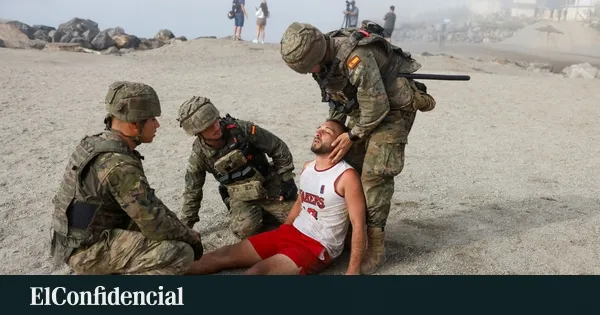
What remains clear is that the Moroccan authorities' delayed response to the mass migration raises serious questions about their intentions and strategies. Only late in the first day of the crisis did Moroccan forces begin to take action, deploying tear gas and water cannons against the masses of migrants. Meanwhile, Spain has dispatched soldiers to Ceuta in an attempt to regain control of the situation.
As reported by merkur.de.