The export of Russian oilseed meal, a byproduct from vegetable oil extraction widely utilized in animal feed production, has experienced a remarkable surge in the Moroccan market during the first five months of 2026. The quantities exported to Morocco nearly matched the total amount imported throughout the entire year of 2025, signaling a significant increase in Russia's presence within agricultural and food supply chains in Morocco. This development also underscores the shifts occurring in international trade routes since the onset of the Russian-Ukrainian conflict, as Moscow redirects its agricultural exports away from European markets.
According to the Russian Federal Center for Agricultural and Food Export Development, "Agroexport," Russian oilseed meal exports to Morocco reached approximately 87,000 tons from January to May 24, 2026, marking a 27% increase compared to the same period last year. This figure is strikingly close to the total Russian exports to Morocco for the entirety of 2025, which stood at about 88,000 tons. This accelerating trend highlights Morocco's growing importance in Russia's strategic plan to redirect its agricultural exports towards markets in Africa, Asia, and the Middle East, especially after facing stringent trade restrictions and tariffs imposed by several European countries on Russian agricultural products.
The data indicates that Morocco has emerged as a prominent customer of Russian oilseed meal outside the European sphere, alongside countries such as China and Turkey. The North African nation has evolved into a primary market for these products, which previously found their way to various European markets before the tightening of trade regulations against Russian exports. "Agroexport" has emphasized that the Moroccan market now ranks high among what Russia refers to as "far-off markets," with Morocco, China, and Turkey being essential destinations for Russian oilseed meal following the closure of significant European outlets for these products.
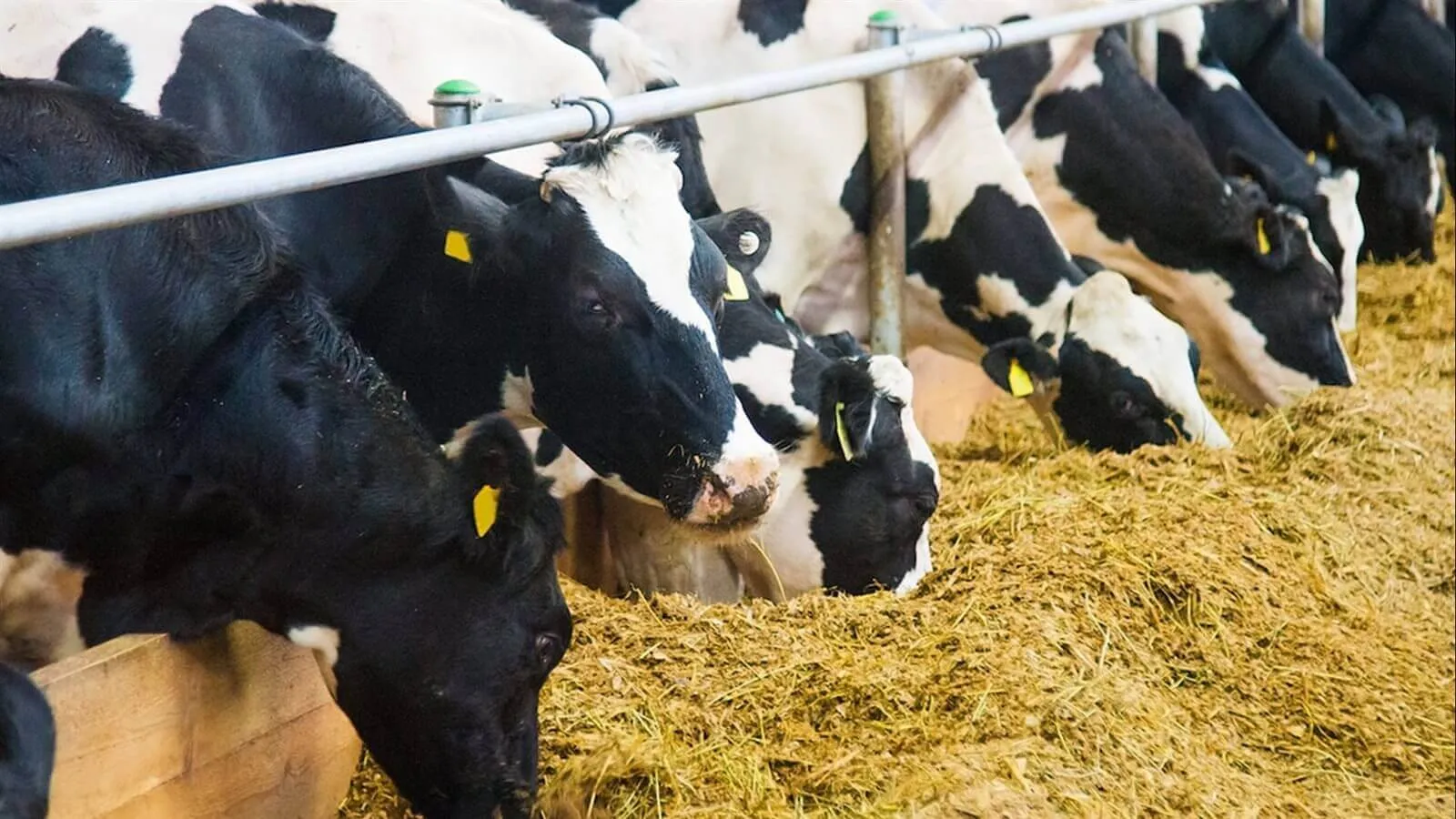
This transformation occurs at a time when Morocco's animal feed industry is under increasing pressure due to the rising domestic demand for raw materials used in livestock and poultry nutrition. This surge is particularly notable given the limited domestic production of oilseed crops and the local market's inability to meet the needs of an expanding livestock sector. Oilseed meal is a vital component in the production of compound animal feeds, known for its rich plant protein content essential for the nutrition of cattle, sheep, and poultry, making it a strategic material for farmers and feed manufacturing companies. Furthermore, it constitutes one of the key inputs relied upon by the poultry sector in Morocco, which is a crucial pillar of national food security.
For years, Morocco has depended on imports to satisfy most of its needs for this product, whether through the import of soybean meal, sunflower meal, or other derivatives of oilseed processing, given the limited areas cultivated with oilseed crops locally. The outlook for Moroccan demand does not appear to be declining in the coming years; rather, international forecasts indicate a clear upward trajectory. The latest estimates from the U.S. Department of Agriculture predict that Morocco's imports of oilseed meal will exceed 1.5 million tons during the 2026-2027 agricultural season, reflecting an increase of nearly 18% compared to the previous season, demonstrating the ongoing growth in demand linked to the poultry and livestock sectors.
This data serves as an additional indicator of the Moroccan market's significance for international exporters, especially Russia, which is keen to bolster its presence in African and Mediterranean markets, capitalizing on the increasing demand for agricultural raw materials and the shifts occurring in the global trading system. Conversely, Moscow views Africa as one of the most strategic alternatives to the European markets it has partially lost over the past few years. Since the tightening of Western sanctions and trade restrictions on Russian products, Russian companies have intensified their export operations to North African and Middle Eastern countries, as well as several Asian economies, in an effort to compensate for the decline in trade with Europe.
Earlier this month, "Agroexport" also revealed that Russian wheat exports to Kenya had increased by 10% since July 2025, indicating the ongoing expansion of Russian presence in African markets, not only in the grain sector but also in oilseed products, animal feed, and primary agricultural materials. In this context, Morocco stands out as one of the most significant commercial hubs for Russia on the southern shore of the Mediterranean, benefiting from its geographical location and the considerable domestic demand for agricultural raw materials, as Moscow seeks to establish new trade networks that are less reliant on the European market and more open to emerging markets in Africa and the Middle East.
Recent figures reveal that Morocco is no longer merely an ordinary importer of Russian agricultural products; it has become one of the markets that Moscow is banking on to export an increasing share of its agricultural and food production. This trend explains the rapid growth pace of Russian exports to Morocco in recent months and reflects the magnitude of the geopolitical transformations impacting international trade in food and feed products in the aftermath of the reshaping of global supply chains. Furthermore, agricultural cooperation between Morocco and Russia extends beyond just oilseed meal and animal feed trade; it encompasses various strategic agricultural products that have become a fundamental pillar in trade exchanges between the two nations. In recent years, Russia has strengthened its presence in the Moroccan market as a primary source of grains, particularly soft wheat, while Morocco seeks to diversify its food supply sources and mitigate the risks associated with fluctuations in international markets and recurring droughts.
Russian data indicates that Moscow aimed to export around one million tons of wheat to Morocco during the 2024-2025 agricultural season, highlighting the increasing importance that Morocco is assuming within Russia's food security strategy in Africa. Simultaneously, Morocco continues to enhance its presence in the Russian market through its agricultural exports, particularly citrus fruits, vegetables, and fresh fruits. Moroccan clementine exports to Russia rose by 74% in 2025, according to Russian data, confirming that agricultural relations between the two countries are no longer characterized by a one-way flow of goods but are instead based on a growing exchange of agricultural and food products between both parties.
Additionally, the Moroccan-Russian agricultural relations received a boost following the signing of a memorandum of understanding between Russian exporters and Moroccan grain importers at the end of 2024, aimed at facilitating the flow of Russian grains and legumes into the Moroccan market and enhancing coordination among economic actors in both countries. This initiative falls within a broader direction aimed at elevating cooperation levels in areas of food security and agricultural supply chains, particularly in light of the geopolitical disruptions affecting global markets and the increasing stakes associated with securing essential food supplies.
This trajectory appears poised for further expansion in the coming years, especially given the continuous rise in trade exchanges between the two countries, which reached approximately three billion dollars in 2024, according to Russian data, alongside both parties' efforts to broaden their cooperation areas to include food security, agricultural logistics, grain and feed trade, and fertilizers. In the context of the growing Moroccan demand for agricultural raw materials and Russia's inclination to replace part of its European markets with new African and Mediterranean markets, Morocco emerges as one of the most important agricultural partners for Moscow in the region.
As reported by assahifa.com.