Introduction to Increased Oversight
The local authorities in the regions of Casablanca-Settat, Rabat-Salé-Kénitra, Fez-Meknes, and Marrakech-Safi have initiated stringent measures concerning building and operating permits that were granted outside the legal frameworks aimed at environmental protection and mitigating climate change risks. This development has unveiled the extent of accumulated discrepancies in the urban planning system surrounding major cities, highlighting significant regulatory lapses that have long gone unchecked.
Repercussions of New Regulations
According to well-informed sources, hundreds of individuals who received unilateral presidential decisions now find themselves facing direct instructions from local officials that prevent them from obtaining housing conformity certificates. These directives have also obstructed the connection of their projects to essential utilities such as water, electricity, and sanitation. Furthermore, the measures have escalated to the revocation of professional and commercial operating licenses issued under decisions marred by allegations of abuse of power. The involved municipalities have been warned against neglecting to pursue administrative litigation to annul permits signed by previously dismissed officials, as this could undermine the legal basis of these permits. Many of the permit holders are claiming that they have not received any formal notice regarding the cancellation of their licenses, emphasizing the need for clarity in this process.
Additionally, the authorities have commenced withdrawing suspicious permit files from community council committees, subjecting them to national unified portals to ensure transparency and prevent circumvention of regulatory requirements. This movement is closely tied to the outcomes of audits conducted by regional services, which revealed deliberate omissions of numerous dubious permits from the digital tracking platform, thereby evading digital oversight. This situation has led to a wave of complaints from landowners who received permits despite their plots being undeveloped or permits that were simply copies of existing ones. Reports have indicated that this has occurred in both urban and rural municipalities adjacent to major cities, particularly in the Berrechid region near Casablanca.
The audit reports further highlighted serious discrepancies, notably the undue pressure exerted by some municipal leaders on permit applicants through manipulation of legal timelines and the delay of compliant applications. Conversely, some officials rushed to issue permits before their electoral terms ended, often bypassing the necessary approvals from all relevant agencies. This has raised suspicions about the potential misuse of the "Licenses" platform in premature electoral campaigns.
In response to these issues, a circular from the Ministry of Interior, disseminated to governors and regional leaders, has stressed the necessity for urban planning departments to conduct regular field visits to ongoing projects rather than relying solely on final inspections, a practice that previously enabled the issuance of hundreds of housing permits for non-compliant projects amid allegations of corruption and bribery.
It is important to note that most suburbs surrounding major cities still lack urban planning documentation that regulates land use and management. This situation is exacerbated by ongoing debates regarding the authority of community council leaders to initiate or withdraw public legal actions concerning urban violations, a condition that many observers view as a significant barrier to effectively deterring these infractions and curbing their spread.
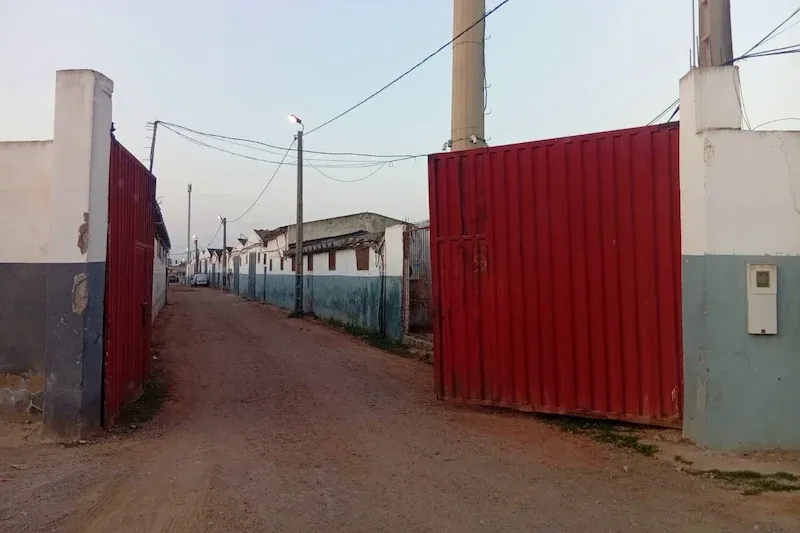
Moreover, the irregularities in permitting extend beyond mere urban violations; questionable permits have also been utilized to legitimize the operation of informal industrial facilities that have silently proliferated in the suburbs. These facilities often discharge chemical substances into drainage systems, releasing toxic fumes into neighboring residential areas and posing significant fire hazards that could devastate entire neighborhoods, as evidenced by a recent fire at an informal warehouse community in the Mediouna region near Casablanca.
As reported by hespress.com.