
The recent diplomatic engagements between Morocco, Senegal, and the Democratic Republic of the Congo (DRC) underscore a shared commitment to fortifying collaboration across political, economic, and security dimensions. This strategic partnership exemplifies how African nations are working together to tackle common challenges, with an emphasis on promoting regional stability and integration on a continent increasingly focused on collective advancement and cooperation. As the landscape of African diplomacy evolves, these alliances reflect a growing trend of African countries prioritizing unity and collaboration to enhance their influence both regionally and globally.
Strategic Alliances in the African Context
Morocco's relationship with Senegal is deep-rooted, characterized by a long-standing dynamic that has fostered multifaceted cooperation. Senegalese Minister Cheikh Niang has articulated that this bilateral relationship possesses a "unique nature" that transcends conventional partnerships typical in Africa, emphasizing that the two nations have established a strategic alliance built on a foundation of trust and mutual respect. This partnership not only serves economic interests but also aligns both countries with a shared political agenda aimed at addressing the continent's pressing issues.
Moreover, Morocco's engagement with the DRC enhances its foreign policy scope, focusing on vital areas such as regional security, the defense of national sovereignty, and the protection of territorial integrity. Morocco's unequivocal support for the DRC's sovereignty and territorial unity highlights a commitment to non-interference and stability—key pillars that are essential for fostering peace and security across the African continent.
Moroccan-Senegalese Cooperation and DRC Relations
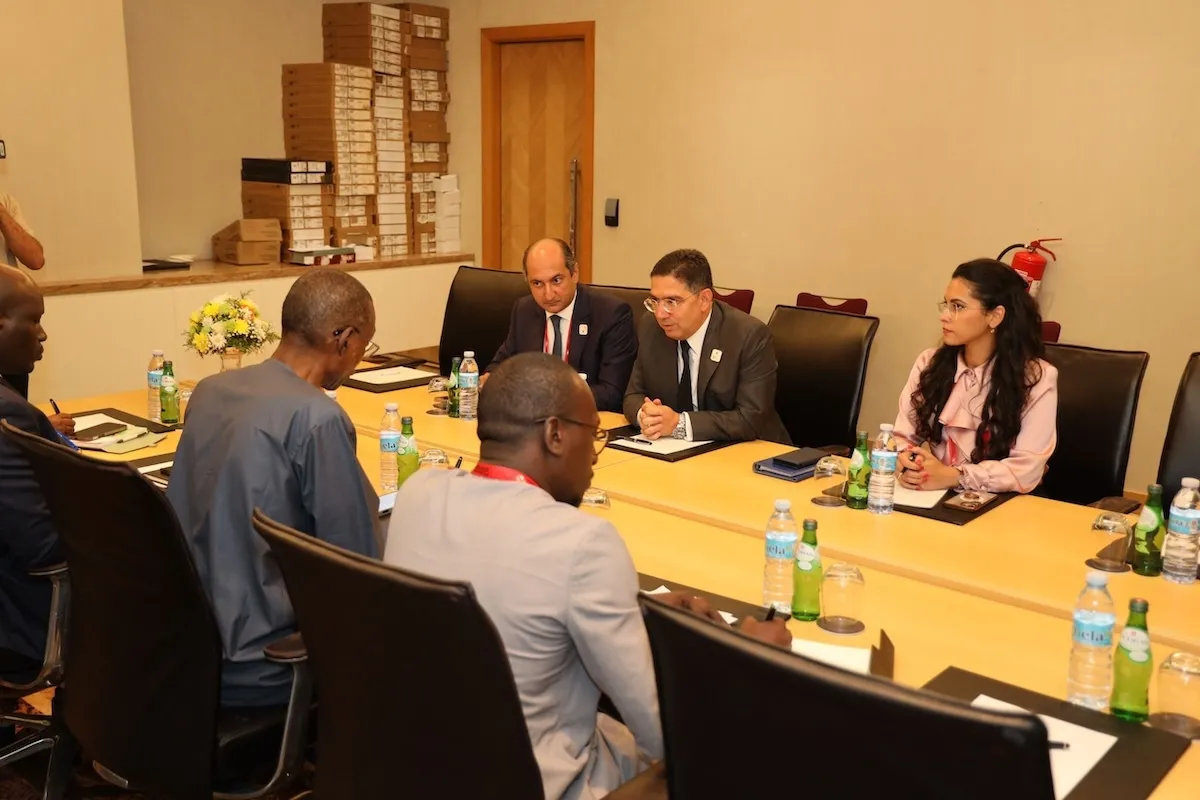
The recent meeting between Moroccan Foreign Minister Nasser Bourita and his Senegalese counterpart, Cheikh Niang, reaffirmed that the cooperation between these two nations is not only consistent but also a model of success within the region. Their discussions confirmed that there are no significant disagreements between the two countries, with a common goal of advancing policy integration in critical sectors such as trade, investment, and security. Both ministers emphasized the necessity of maintaining continuous dialogue and establishing coordination mechanisms that facilitate the monitoring and expansion of joint initiatives. This collaboration is not confined to bilateral issues; it extends to broader regional challenges related to the Sahel and Atlantic Africa, where coordinated responses are crucial for addressing security and development hurdles.
Engaging in dialogue with the DRC's Minister of Foreign Affairs, Thérèse Kayikwamba Wagner, further solidified the bond between Morocco and the DRC, rooted in shared values of territorial integrity, sovereignty, and national unity. This relationship also has international ramifications, particularly as the DRC serves as a non-permanent member of the UN Security Council. Morocco's backing of the DRC in this capacity enhances Africa's legitimate voice in global discussions, thereby bolstering the continent's influence within multilateral organizations.
The burgeoning relations among Morocco, Senegal, and the DRC hold profound implications for regional stability and the geopolitical equilibrium within Africa. Adhering to principles such as sovereignty, non-interference, and solidarity-based cooperation are fundamental for fostering peace and territorial integrity, especially in regions beset by internal conflicts and cross-border tensions. Furthermore, these strategic alliances position Morocco as a pivotal player in advancing African integration, championing initiatives that promote cooperation in economic, political, and security spheres. This not only fortifies each nation involved but also contributes significantly to the continent's aspirations for greater cohesion and global influence.
Ultimately, the strengthening of these diplomatic and cooperative relationships is instrumental in establishing a model of international relations grounded in mutual trust, solidarity, and a collective commitment to fostering a more stable and prosperous future for Africa.
As reported by atalayar.com.