
Spain Asserts Ownership of Ceuta and Melilla
In a recent statement, Elma Saiz, the spokesperson for the Spanish government, emphasized that Ceuta and Melilla are integral parts of Spain, following remarks from a Moroccan minister regarding the "liberation of occupied cities" during a royal ceremony led by King Mohammed VI. Saiz firmly stated, "Ceuta and Melilla are Spain; they represent our southern border and that of Europe; there is nothing more to add," during a press conference after the Council of Ministers meeting. This declaration comes amidst rising tensions and discussions surrounding territorial claims, which were sparked by the Moroccan minister of Religious and Islamic Affairs, Ahmed Tawfiq, who referred to these cities as "occupied" during a significant religious event in Rabat.
Escalating Migrant Repatriation Efforts
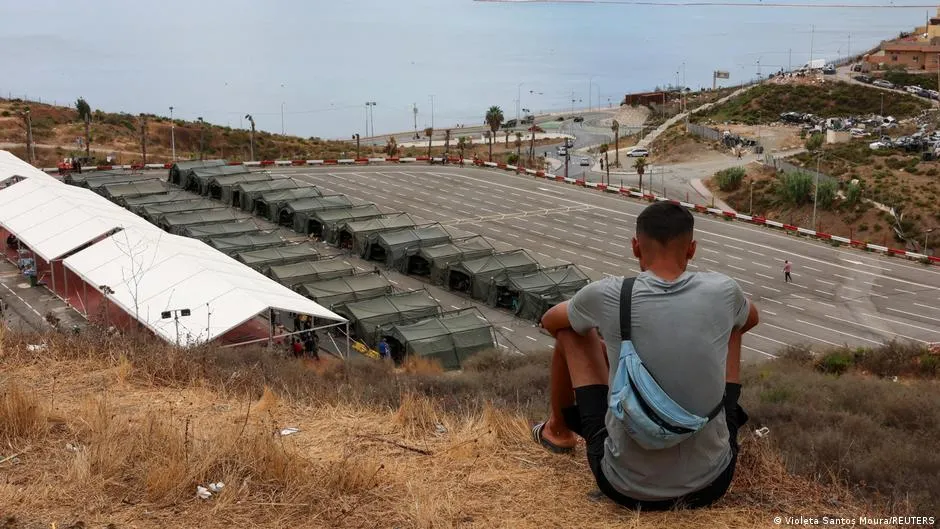
As the Spanish government grapples with the influx of migrants, it has initiated efforts to expedite the return of those who remain in Ceuta. Following a massive wave of over 70,000 migrants arriving on July 30 and 31, the government is prioritizing the repatriation of individuals, including both adults and unaccompanied minors, while ensuring compliance with legal frameworks and human rights protections. Minister of Territorial Policy, Ángel Víctor Torres, stated that it is crucial to manage the return process with respect for human rights and existing laws. Despite the rapid return of many migrants, approximately 3,500 individuals, including a significant number of unaccompanied minors, continue to stay in Ceuta, facing dire conditions with limited access to food, water, and shelter.
To streamline the identification and repatriation processes, the government has established a "single command" for Ceuta, which will be overseen by Minister Torres. This move aims to enhance coordination among various state and administrative bodies to tackle the ongoing crisis effectively. However, local authorities, including Melilla's president Juan José Imbroda, have criticized the government for being slow to respond, indicating that crucial time was lost in implementing necessary measures following the initial crisis.
The humanitarian situation in Ceuta remains critical, more than three weeks after the mass arrival of migrants. Many individuals are still living outdoors, struggling to find basic necessities. Reports indicate that the local population is increasingly frustrated, feeling insecure and dissatisfied with the government's handling of the situation. As the crisis unfolds, the Spanish government faces growing pressure to address both the welfare of migrants and the concerns of local residents.
As reported by dw.com.