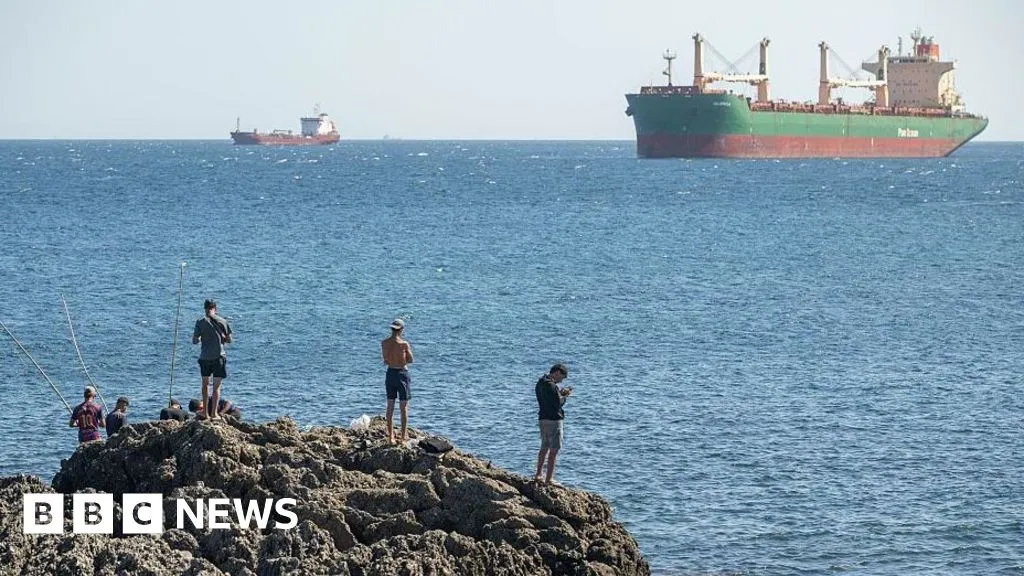

Spanish Government Takes Responsibility Amid Migrant Crisis in Ceuta
In a significant move, the Spanish government has issued an apology to the citizens of Ceuta, acknowledging the extensive migrant crisis that has unfolded over the past weeks. Defence Minister Margarita Robles expressed her remorse during a parliamentary committee session, stating, "I want to apologise to all those who may have felt, or who even still feel, abandoned or not sufficiently cared for." This heartfelt apology comes in the wake of a crisis that has seen over 72,000 migrants attempt to cross from Morocco into the Spanish exclave of Ceuta on July 30 and 31, leading to chaos and tragic loss of life, with at least 100 individuals reported dead during the perilous journey.
While many of the migrants returned to Morocco shortly after their arrival, a significant number—especially children—remain stranded in Ceuta, often living rough on the streets and beaches. This situation has intensified pressure on the Socialist government led by Prime Minister Pedro Sánchez, as local residents and authorities express growing frustration over the unsustainable nature of this humanitarian challenge. In response, the Sánchez administration has declared the situation a matter of national security, centralizing crisis management under the leadership of Territorial Policy Minister Ángel Víctor Torres.
Reforms to Immigration and Asylum Processes Announced
As part of its response, the government has also introduced plans to reform immigration laws aimed at aligning Spain's policies with new EU regulations. Interior Minister Fernando Grande-Marlaska highlighted that these changes would establish a more orderly and efficient process, ensuring that all possible guarantees are provided for migrants. Key reforms include limiting the duration of medical and legal evaluations for undocumented migrants to three days, a reduction from the previous allowance of up to seven days as per EU standards. Additionally, the reforms will implement a two-speed system for processing asylum applications, designed to expedite cases deemed urgent.
However, the government’s communication has raised several questions among lawmakers. While Robles revealed that intelligence agents had foreseen the mass crossing event, Grande-Marlaska contradicted her, stating there was no official report predicting the crisis. Prime Minister Sánchez has attributed the surge in crossings to traffickers and the role of social media, while others, including conservative opposition figures, argue that Morocco's actions have exacerbated the situation. The crisis has reignited debates regarding Morocco's claims over Ceuta and Melilla, with Moroccan officials asserting historical rights and calling for dialogue with Spain on the matter.
As reported by bbc.com.