
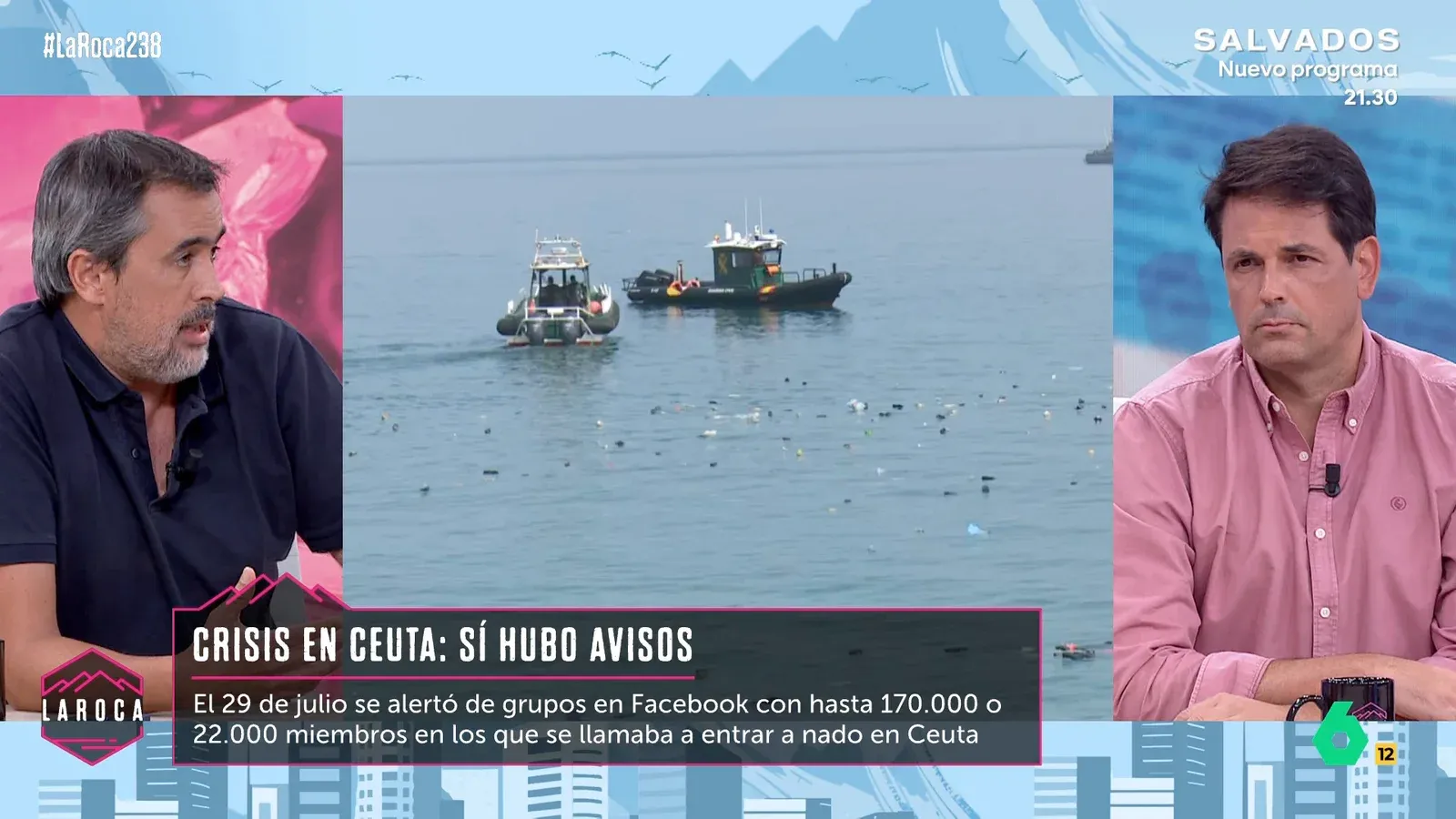

Understanding the Migration Crisis in Ceuta
The migration crisis in Ceuta, a Spanish autonomous city, has raised significant concerns regarding national security and the effectiveness of Spain's intelligence operations. Carlos E. Cué, a prominent journalist, has highlighted what he perceives as a critical issue: the lack of adequate intelligence gathering in Morocco. Cué argues that without proper oversight and understanding of events in Morocco, Spain is left vulnerable to sudden influxes of migrants, as evidenced by the recent irregular arrival of 72,000 individuals. He emphasizes that the situation requires a more robust intelligence framework to ensure that Spain is not caught off guard, particularly when neighboring countries face their own border control challenges.
The Polarized Public Perception
Cué notes that public opinion regarding the migration crisis remains largely unchanged despite the declassification of secret documents related to the situation. He observes that many individuals have already formed strong opinions, often attributing the crisis to government failures or blaming the National Intelligence Center (CNI). This polarization complicates the discourse surrounding the crisis and obscures the need for a coherent strategy that encompasses both intelligence and humanitarian considerations. Cué’s candid assessment underscores the necessity for Spain to enhance its intelligence capabilities in Morocco to preemptively address potential migration challenges, ensuring the country is well-informed and prepared for any developments that may arise in the region.
As reported by lasexta.com.
