
Spain's New Citizenship Law for Sahrawis Amid Ongoing Migration Crisis
In late July, a staggering 72,000 individuals crossed from Morocco into Ceuta, a Spanish exclave. The repercussions of this mass migration are still being felt, yet Madrid has chosen this tumultuous moment to facilitate a pathway to Spanish citizenship for tens of thousands of people from Western Sahara. This decision not only addresses historical injustices but also sends a significant message to Morocco amidst rising tensions.
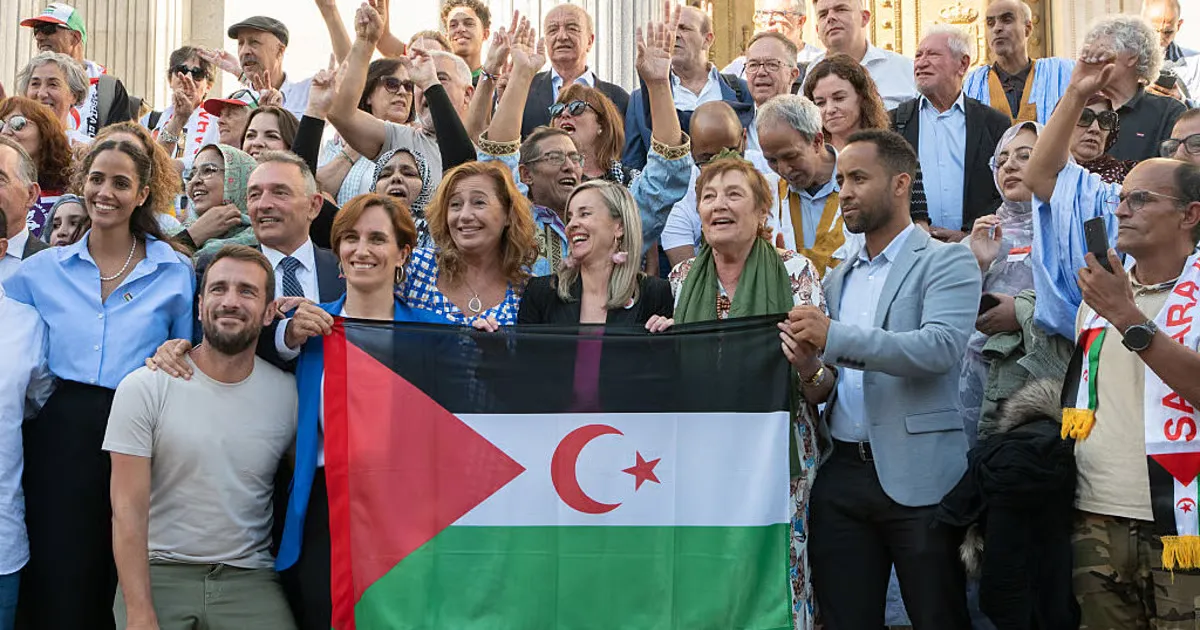
The timing of this legislative approval might seem perplexing at first glance. With Spain grappling with the aftermath of a massive influx of migrants in Ceuta, the Spanish Parliament has voted to create an expedited route to citizenship for approximately 110,000 Sahrawis, individuals born before September 29, 1977, in the former Spanish colony. The law, which passed with 168 votes in favor, 31 against, and 145 abstentions, is not yet finalized, as it still requires Senate approval.
However, this legislation is not a blanket offer of citizenship to all Western Sahara residents. It specifically targets Sahrawis who lived under Spanish colonial rule. Many of these individuals faced significant barriers to obtaining Spanish citizenship after Spain's withdrawal, and this new law aims to rectify that historical oversight. Eligible applicants must prove their connection to the former colony through documentation, such as old Spanish papers, birth certificates, or UN records. Notably, those who qualify do not need to have resided in Spain prior to their application, and upon receiving Spanish citizenship, they will automatically become EU citizens, allowing them to live and work across other EU member states.
This legislative change could have far-reaching implications, particularly for families. If a parent gains Spanish citizenship under this new law, their children can apply for citizenship within five years. Furthermore, Sahrawis will be able to apply for citizenship through the normal route after just two years of legal residency in Spain, a significant reduction from the typical ten-year requirement.
The urgency of this legislation is underscored by the recent crisis in Ceuta, where nearly 72,000 individuals entered the Spanish enclave within just two days. This influx, nearly equal to Ceuta's entire population, has placed immense pressure on local resources, prompting the Spanish government to declare a 'situation of interest for national security.' The ongoing strain on border controls, accommodation, social services, and law enforcement is palpable, with the special status remaining in effect until at least the end of December.
Adding to the complexity, intelligence reports indicate that the Spanish National Intelligence Center (CNI) had prior knowledge of planned border crossings just a day before the mass migration occurred. This paints a complex picture where Spain is addressing the implications of illegal mass migration as a national security issue while simultaneously opening a unique pathway to citizenship for tens of thousands outside of Europe. While the scope of eligible applicants is limited, the potential signal this sends regarding Spain's stance towards Morocco is clear.
Impact on Spain-Morocco Relations
Since the Ceuta crisis, public sentiment towards Morocco has drastically shifted, with nearly 90% of Spaniards attributing significant responsibility to Morocco for the influx of migrants. Prime Minister Pedro Sánchez is also feeling the heat regarding his crisis management. Although Morocco has denied any responsibility, the incident has evidently altered the political landscape, and Madrid's willingness to potentially ruffle feathers with Rabat over the sensitive issue of Western Sahara is notable.
Just weeks prior to this decision, Sánchez's Socialist Party (PSOE) sought to omit the term 'Sahrawi people' from the legislation to avoid provoking Morocco, a move that ultimately failed. Now, however, the PSOE has endorsed the new law, marking a significant shift. The initiative originated from the leftist coalition partner, Sumar, and initially, the PSOE was the only party opposing it when first voted on in February 2025. This reversal is not merely a technical alteration in citizenship law; it signifies that Madrid is seemingly less inclined to accommodate Moroccan sensitivities.
For Morocco, the issue of Western Sahara is extremely delicate, with the country claiming the territory as its own and controlling most of it. The Frente Polisario, backed by Algeria, advocates for an independent state in the region. Spain's historical involvement in this conflict complicates matters further, as it was the colonial power in Western Sahara until 1976. In 2022, Sánchez made a significant diplomatic move by supporting Morocco's autonomy plan for the region, easing previously strained relations. Thus, the recent citizenship law decision is particularly striking.
While Morocco has not issued an official rejection of the new citizenship law, its foreign ministry responded sharply shortly after the parliamentary vote, lamenting 'unfortunate initiatives' from Spanish legislative and judicial bodies that sow discord. This statement, coming just hours after the citizenship vote, underscores the sensitivity of the issue. Morocco has cautioned against jeopardizing the relationship established since 2022, warning that 'strategic blindness' could lead to chronic distrust and recurring tensions.
The core of the matter lies not solely in the citizenship itself but in the political symbolism it carries. The law recognizes Sahrawis as a distinct group with unique historical claims against Spain, a notion that is particularly sensitive for Morocco, which considers Western Sahara integral to its territory. The PSOE's initial attempts to sidestep this sensitive terminology further illustrate the complexities at play. Now, however, they have embraced the legislation, indicating a potential willingness to reassess Spain's approach to Western Sahara in light of the recent crisis.
This development suggests that Spain may be less inclined to tread carefully around Moroccan sensitivities in the future, opening the door for a more assertive stance regarding the political status of Western Sahara.
As reported by exxpress.at.