
Unprecedented Migratory Surge in Ceuta
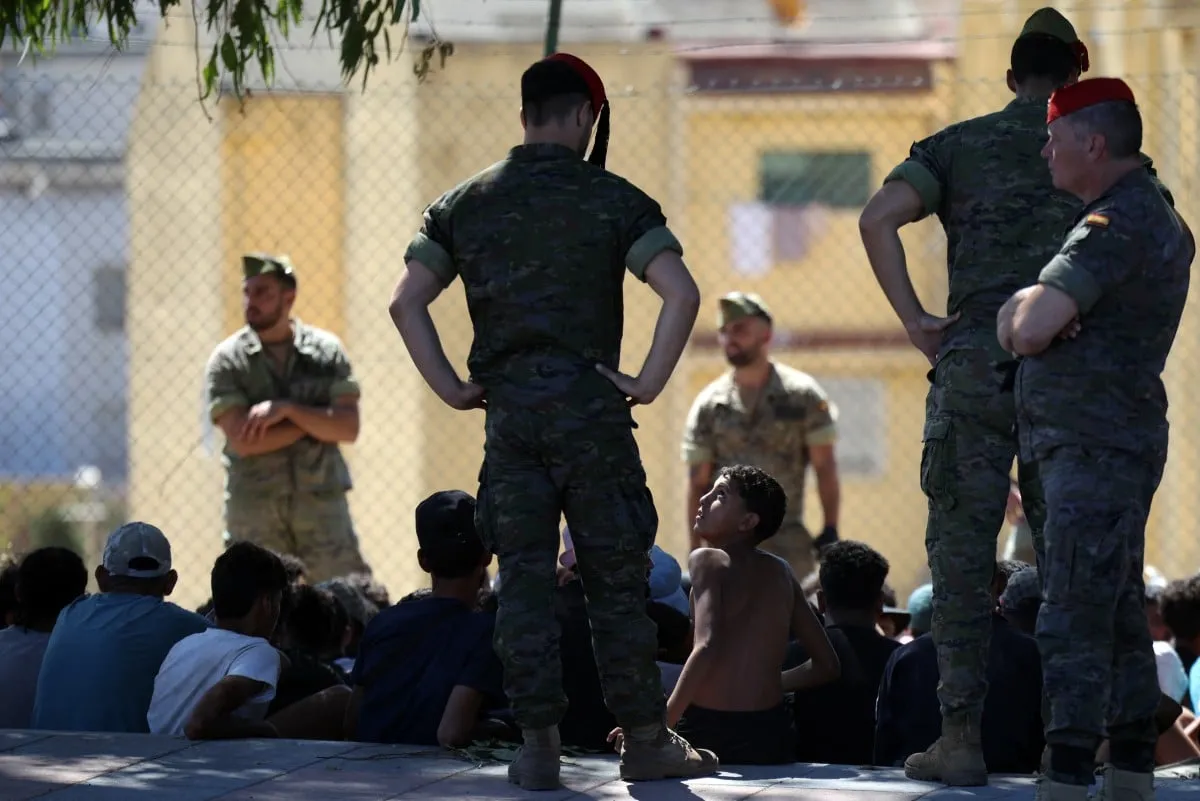
Last week, Ceuta witnessed an extraordinary influx of over 72,000 individuals who navigated both land and maritime routes to breach the border with Morocco. This incident has escalated into the most significant migration crisis in contemporary Spanish history, concurrently igniting a political storm. Opposition parties are vocally challenging the government, which is grappling with internal strife over accountability for this dramatic episode. The coalition parties supporting the government—some of whom are doing so reluctantly—are polarized between those criticizing Prime Minister Pedro Sánchez's actions while attributing responsibility to Morocco, such as ERC, Junts, PNV, and Podemos, and those, like EH Bildu, who have opted for a complete silence regarding the situation.
In the wake of distressing images that emerged last Friday, depicting thousands of migrants swimming towards the Ceuta beach of El Tarajal, several government allies began to raise their voices. They demanded fair treatment for all migrants and underscored the importance of human rights. Among the most vociferous were the Catalan Republicans, who have taken a strong rhetorical stance. On Monday, ERC leader Oriol Junqueras unequivocally declared, "What has happened in Ceuta is a humanitarian tragedy," while pointing the finger at Morocco for its role in the crisis.
Political Reactions and Calls for Accountability
In an interview with Europa Press, Junqueras emphasized the need for sensitivity towards the nearly 90 fatalities associated with this crisis and criticized the government's response. He raised pertinent questions about the delay in deploying buoy barriers, which are deemed effective, and condemned Morocco for allegedly using migrants as leverage against Spain. He attributes the crisis to the repercussions of outsourcing migration policies to external nations.
ERC, alongside Podemos and the parties comprising Sumar, which is part of the government coalition, has claimed throughout the weekend that the surge of migrants last Friday is the result of a conspiracy involving Morocco, the United States, and Israel. Antonio Maillo, the leader of IU, went so far as to urge the government on Monday to summon the Moroccan ambassador in Spain for consultations. In the initial days following the crisis, Podemos was also among the most vocal critics of Morocco and the existing governmental relationship with the North African nation.
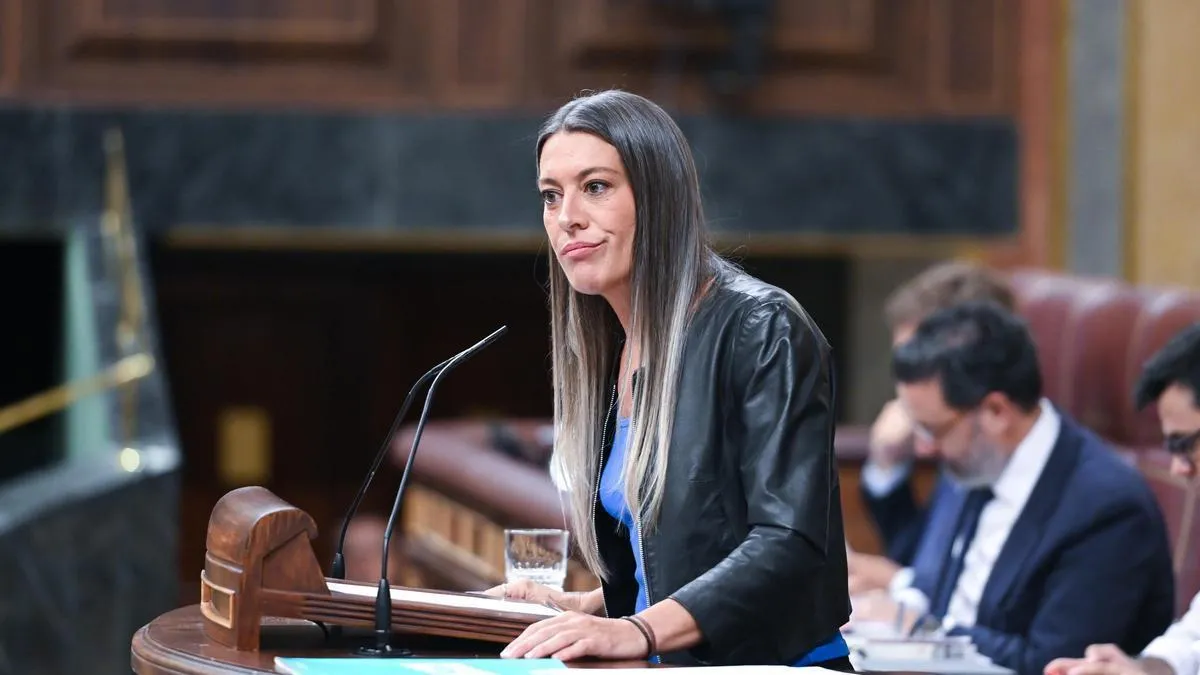
Junts has assumed a somewhat different position. Although they deny being government partners, they continue to support the current legislative term. Former Catalan President Carles Puigdemont remarked on Friday that “Catalans should not have to bear this burden,” referring to the implications of the Ceuta crisis. On the following Monday, the party submitted a series of inquiries in Congress aimed at the government concerning its relationship with Morocco, whether it sought cooperation from the EU and Frontex, and what legal reforms are anticipated following a Supreme Court ruling that annulled immediate deportations for those who entered by swimming.
Perhaps the most significant maneuver from Junts has been to leverage the migration crisis to revive a long-standing demand for the delegation of immigration competencies to Catalonia. Puigdemont recalled that it was the PP, Vox, and Podemos who previously quashed this initiative, which they are now attempting to resurrect.
Meanwhile, EH Bildu and PNV have maintained a public silence regarding their positions on the crisis. Leaders from Aitor Esteban's party have refrained from addressing the issue directly, although insiders from the jeltzale formation have acknowledged the
As reported by elperiodico.com.