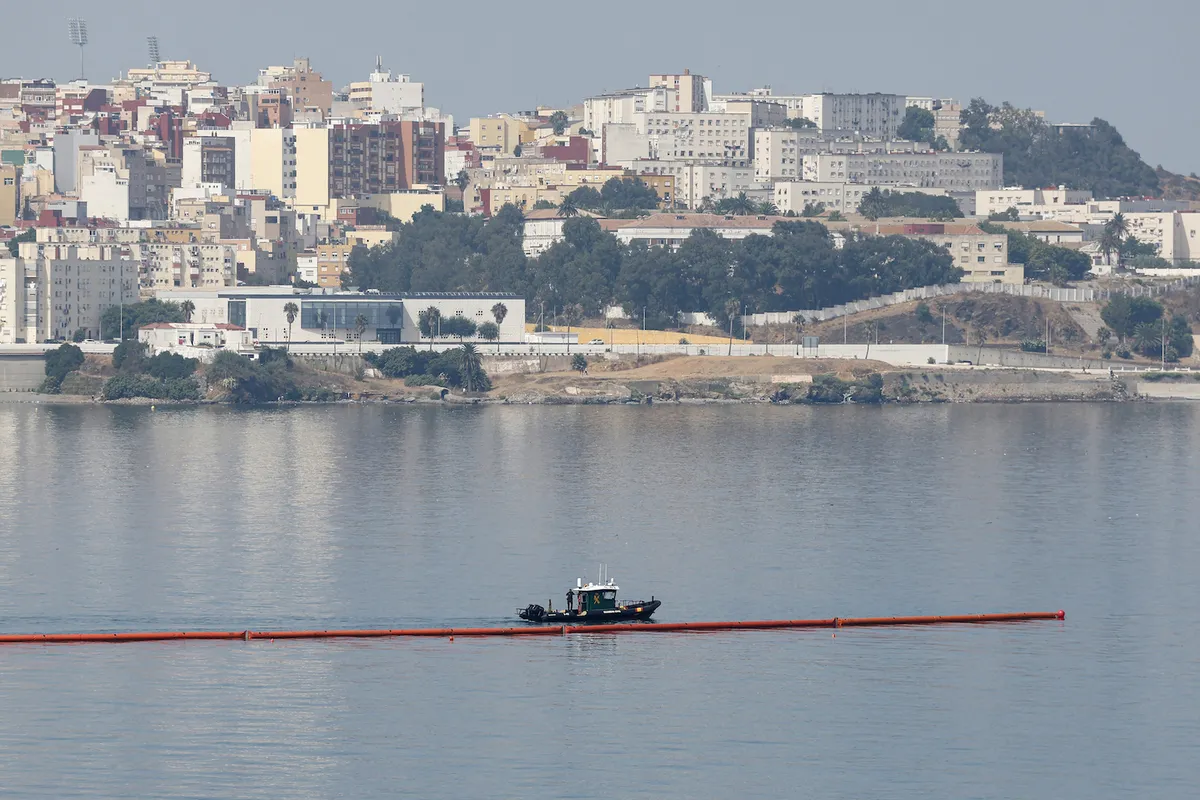

The recent surge of migrants into the Spanish enclave of Ceuta has unveiled critical insights into the role of social media in mobilizing thousands. Numerous Facebook groups, some boasting thousands of members, circulated misinformation that contributed to this unexpected influx. Phrases such as "border open" and "Ceuta without papers" became common search terms among hopeful migrants. These groups not only disseminated misleading information but also shared practical travel tips, including Google Maps screenshots and even recommendations for purchasing wetsuits, indicating a well-organized effort to reach the enclave.
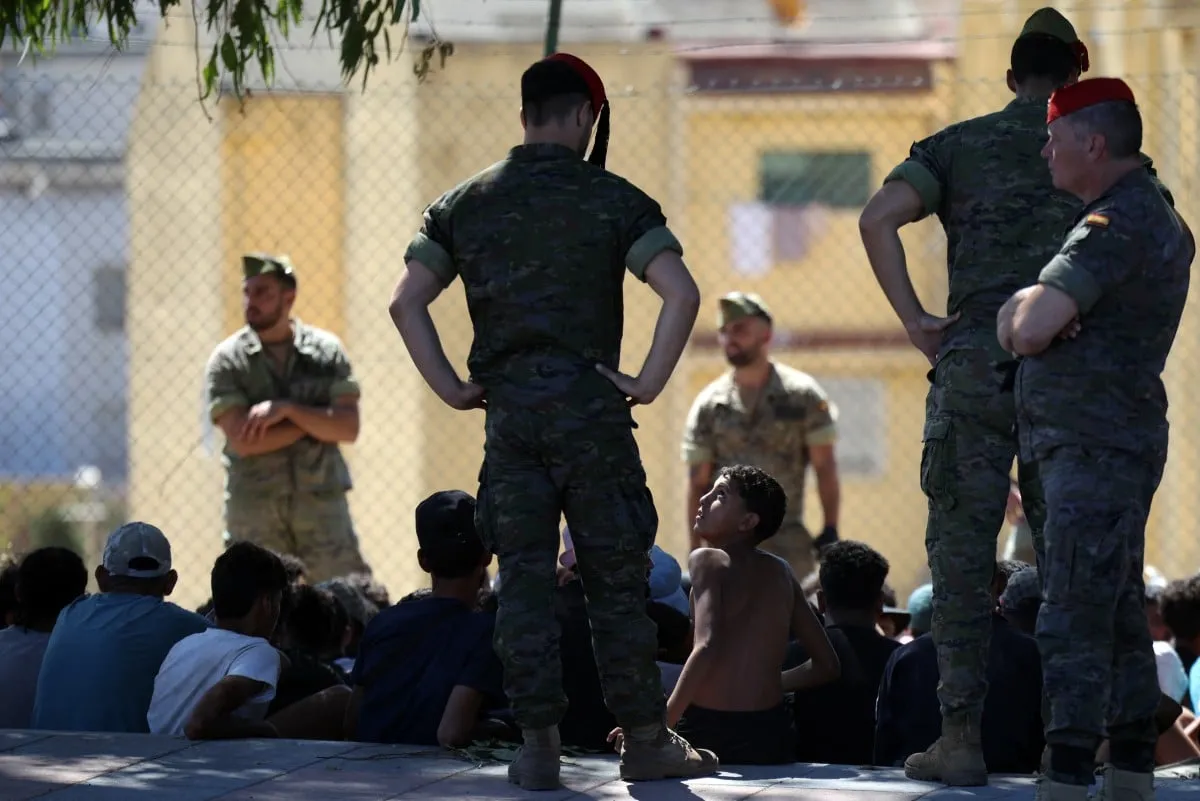
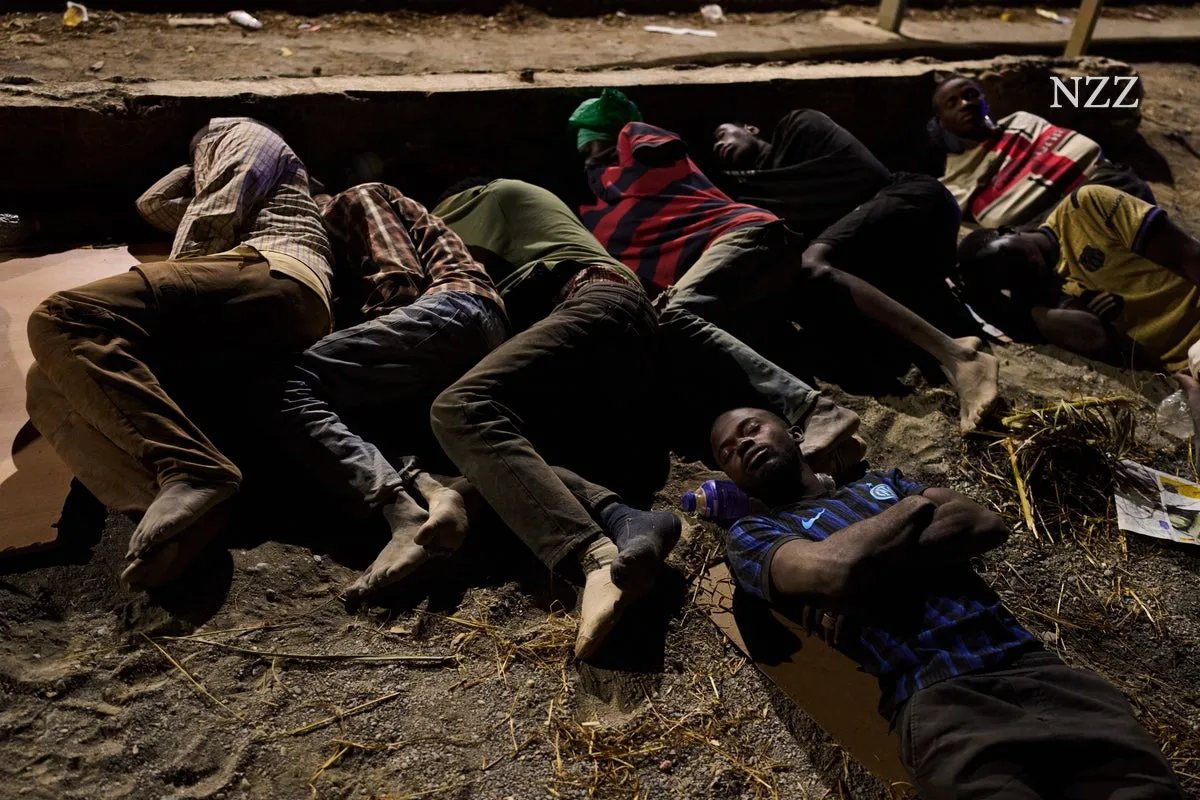
In the wake of this crisis, the Spanish government has faced immense challenges, as approximately 48,000 migrants were returned to Morocco after their attempts to enter Ceuta. The frustration among Spanish politicians has been palpable, particularly towards Morocco, whose actions have been scrutinized amidst this humanitarian situation. As the reality of the situation unfolds, it has become increasingly clear that the combination of social media influence and political tensions has led to a scenario that neither Spain nor Morocco anticipated.
The situation in Ceuta serves as a stark reminder of the complexities surrounding migration, particularly in relation to the information shared on social media platforms. As authorities grapple with the aftermath, questions arise regarding the responsibility of these platforms in managing the spread of misinformation that can have real-world consequences. The unfolding events highlight the need for a critical examination of how online narratives can shape and sometimes distort perceptions of migration and border control.
As reported by nzz.ch.