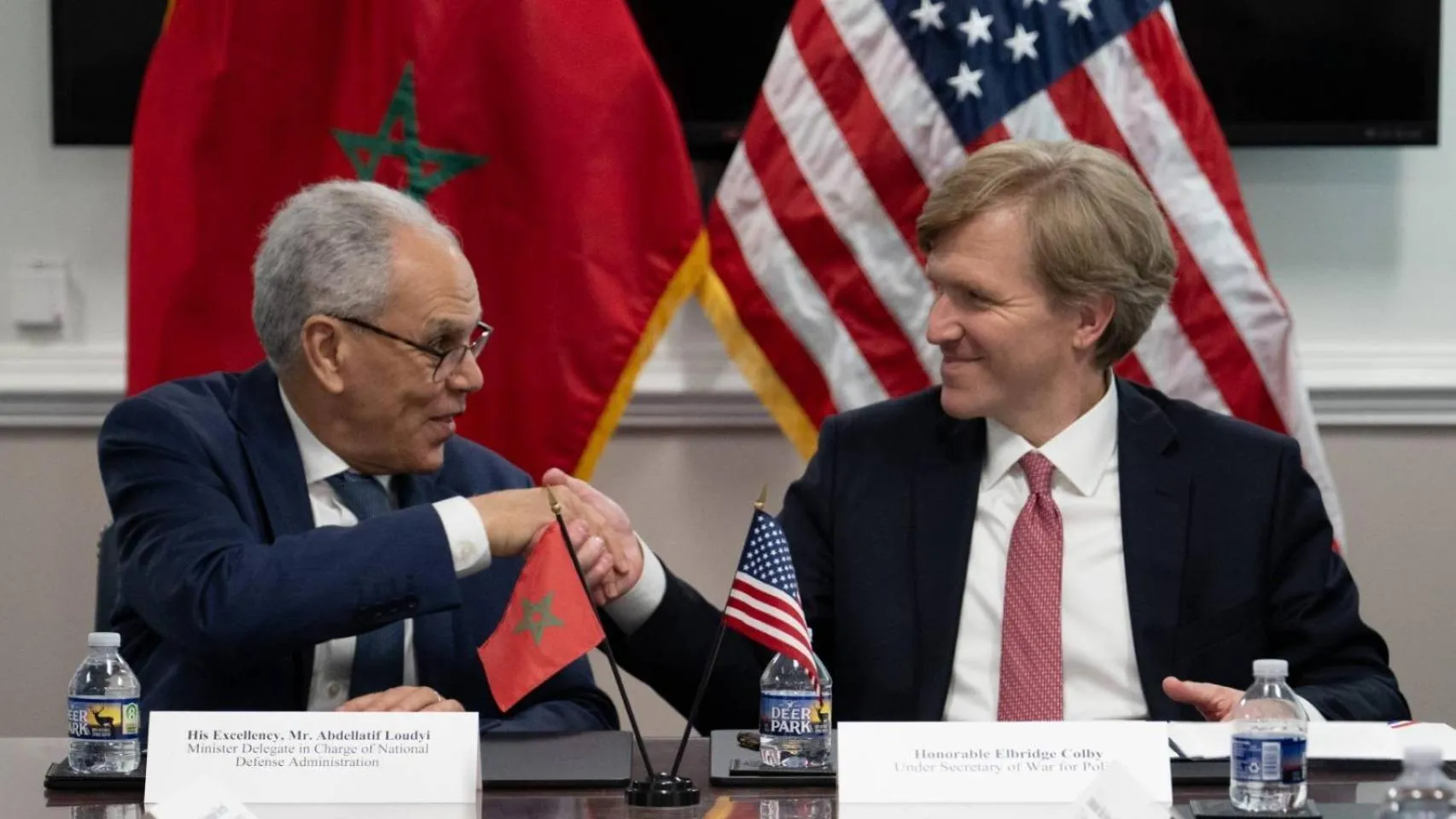
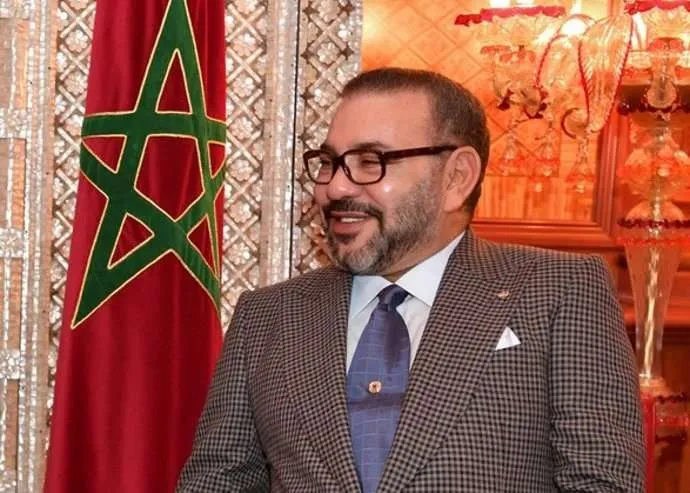
Recent developments indicate a gradual and quiet reconfiguration of various countries' positions regarding the long-standing regional conflict, with a surge of political signals from Arab, African, and European capitals in just a few days. This suggests a phase of diplomatic accumulation rather than isolated or circumstantial declarations.
Within this context, Egypt has reaffirmed its strong support for Morocco's territorial integrity, viewing the autonomy proposal as the most serious and realistic framework for conflict resolution. This stance reflects the ongoing strategic convergence between Rabat and Cairo on various regional issues while reinforcing a growing Arab trend favoring the Moroccan approach, perceived as a balance between national sovereignty and political solution.
African developments have shown even more significant evolutions. Kenya has adopted a favorable position towards the Moroccan initiative, indicating a gradual shift towards a more pragmatic approach in East Africa, emphasizing stability and development over traditional ideological alignments. This change is particularly relevant given Kenya's political weight on the continent and its capacity to influence certain regional balances.
In parallel, Mali's decision to withdraw its recognition of the separatist entity constitutes an additional advancement in the same direction. This gesture transcends bilateral relations, reflecting a broader reconfiguration in the Sahel region, an area characterized by profound political and security transformations, and considered one of the most sensitive zones in the current African balance.
In Europe, the Netherlands has renewed its explicit support for the autonomy plan, deeming it a serious and credible contribution within the United Nations-sponsored process. This position aligns with a broader trend among various European capitals towards a more realistic approach to the conflict, focused on seeking viable solutions amidst prolonged political stalemates.
Together, these simultaneous positions across three continents reflect, from an analytical perspective, an accumulative dynamic in Moroccan diplomacy, which has gradually evolved from a reactive logic to a proactive strategy, supported by a network of multidimensional alliances encompassing political, economic, and security aspects. The timely coincidence of these declarations adds value, suggesting a shift in the international diplomatic climate towards greater clarity in considering the autonomy proposal as a pragmatic basis for resolution.
Conversely, this accumulation of support places separatist theses in a transforming scenario, where their traditional backing is progressively diminishing, while a readjustment in the positions of various international actors is observed. In this context, the Sahara issue appears to be entering a new phase, characterized not only by a multiplicity of positions but also by a gradual redefinition of the concept of political realism in this conflict, reinforcing Morocco's role as a central player in shaping its potential future outcomes and giving greater momentum to its proposal in the ongoing international debate regarding the resolution of the dispute.
As reported by atalayar.com.