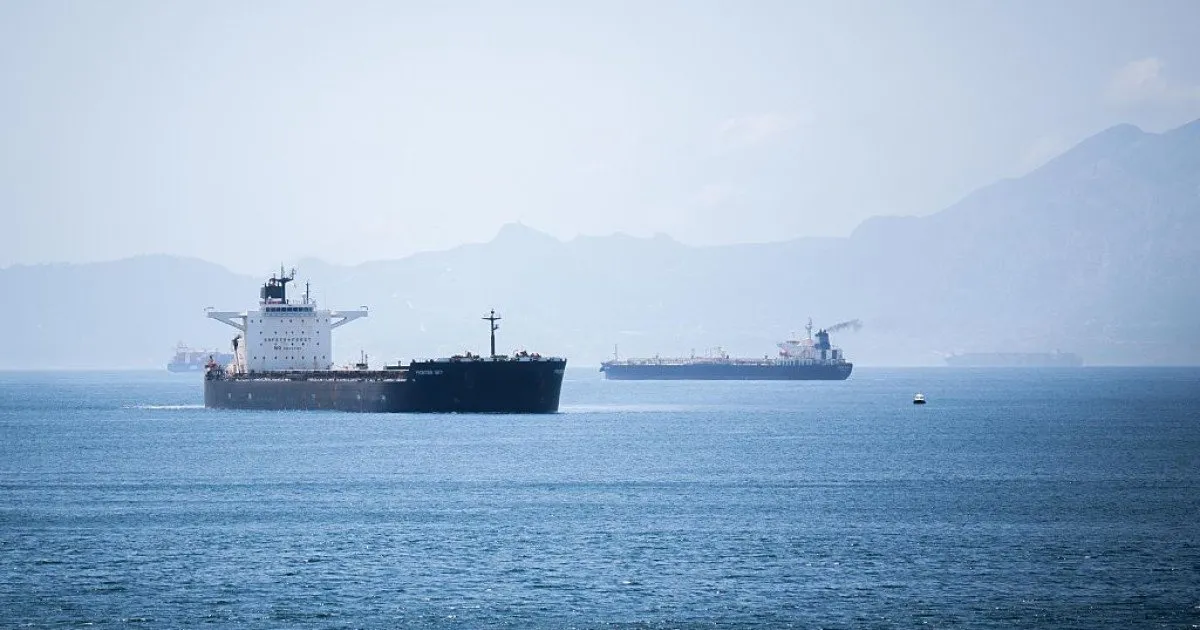

In a significant move to address its domestic fuel supply crisis, Russia has imported approximately 30,000 metric tons of AI-92 gasoline from Morocco, as reported by Reuters on July 31. This strategic import comes in response to a series of Ukrainian drone strikes targeting Russian refineries, which have led to severe internal shortages of fuel. The operation saw a Panama-flagged tanker loading the gasoline at the port of Tangier in mid-July, and it is currently unloading its cargo at the Arctic port of Murmansk, with Russian energy giant Lukoil facilitating the transaction.
The situation highlights the increasing pressure on Russia's energy sector, exacerbated by ongoing conflicts that have disrupted local production capabilities. Following these drone attacks, trading data from the St. Petersburg International Mercantile Exchange (SPIMEX) indicates that AI-92 gasoline is now being made available for rail distribution from the Kola station, which serves the Murmansk port terminal directly. This unusual seaborne import illustrates the extent of the challenges faced by Russia's energy infrastructure and the measures being taken to mitigate escalating fuel prices and regional deficits.
In light of these developments, Moscow has implemented a series of emergency market controls, including a ban on fuel exports and an increase in overland rail imports of gasoline from neighboring countries like Belarus and Kazakhstan. These actions are part of a broader strategy to stabilize the domestic market amid rising seasonal demands and unplanned refinery outages, as acknowledged by Russian Deputy Prime Minister Alexander Novak in mid-July. The import from Morocco represents a pivotal shift in Russia's approach to addressing these energy shortfalls.
The growing reliance on foreign fuel sources also reflects a recalibration of Ukraine's military strategy, which has targeted critical energy infrastructure in a bid to maximize operational disruptions and deepen fuel shortages within Russia. This new focus on essential industrial components rather than broad refinery targets indicates a tactical shift aimed at undermining Russia’s energy resilience.
As reported by united24media.com.