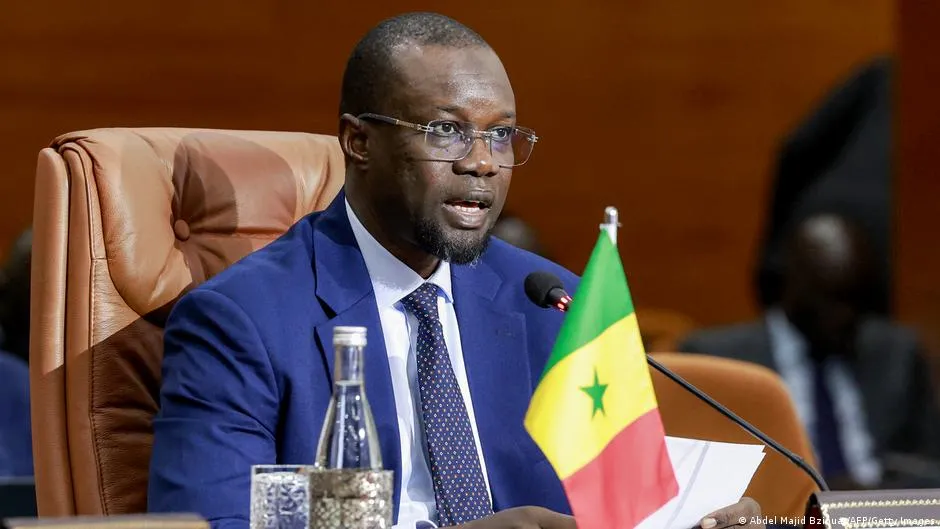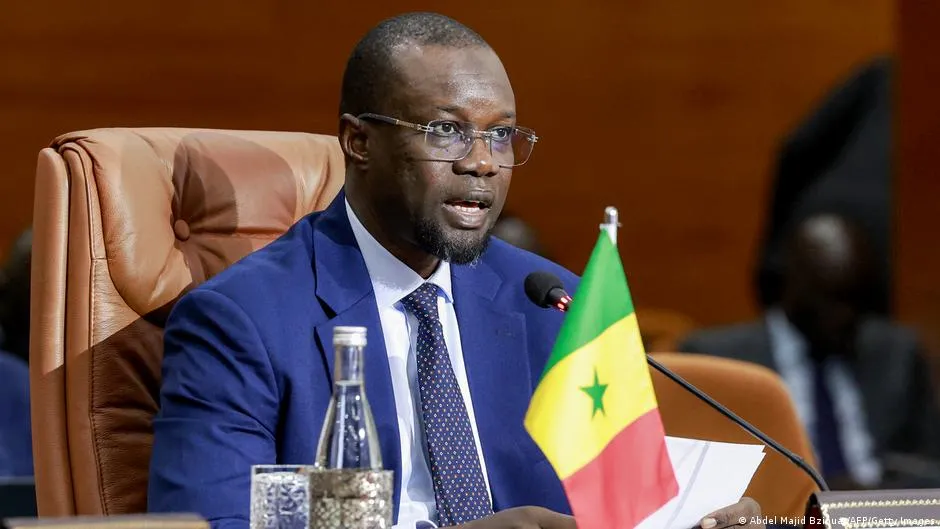
The political climate in Senegal has become increasingly tense as a result of the conflict between Bassirou Diomaye Faye, the President of the Republic, and Ousmane Sonko, the newly appointed President of the National Assembly. This escalating tension is detrimental to the peaceful discourse that is essential for a thriving democracy. Civil society leaders and journalists have expressed their concerns regarding a growing atmosphere of intimidation that permeates the nation. Those who criticize or oppose Ousmane Sonko often find themselves the targets of aggressive smear campaigns conducted on social media platforms by fervent members of Pastef, the ruling party. Such hostility fosters a culture of self-censorship, driven by fears of digital or physical reprisals.
Moreover, shortly after taking office in early April 2024, Ousmane Sonko issued alarming statements aimed at the media, declaring: "We will no longer allow the media to write whatever they want about individuals in the name of so-called press freedom, without any credible sources." This marked a clear shift towards a more authoritarian stance concerning media freedom and expression.
Threats Against the Judiciary and Declining Women's Rights
Ousmane Sonko has also consistently questioned the credibility of Senegal's judicial system. For instance, during a meeting in November 2025, he criticized certain judges for obstructing financial investigations, accusing them of perpetuating the very system he denounces. His remarks sparked outrage among the judiciary, further complicating the already strained relationship between the government and the legal system.
In addition to these political concerns, there is a growing alarm over the regression in the protection of women's rights under Sonko's administration. Activist Ossama Monique Sagna has highlighted the inadequate enforcement of the parity law, which has been in place since 2010. She points out that the number of female ministers has decreased compared to the last government under Macky Sall, where seven women held ministerial positions. In contrast, Sonko's government, prior to his dismissal last week, included only four women, representing approximately 13% of his cabinet. This decline has sparked significant discussions and disillusionment among the public regarding women's political representation.
Furthermore, Sagna emphasizes that the major feminist demands remain unaddressed, illustrating a lack of substantial structural progress. Issues such as the reform of the Family Code, which still retains discriminatory provisions against women, continue to be pressing matters. The effective implementation of the Maputo Protocol—particularly concerning reproductive rights and the protection of women against violence—has seen little advancement. There is also a concerning rise in femicides and gender-based violence, with around 18 femicides reported in 2025, highlighting the urgency for stronger governmental action to address these grave issues.
As reported by dw.com.