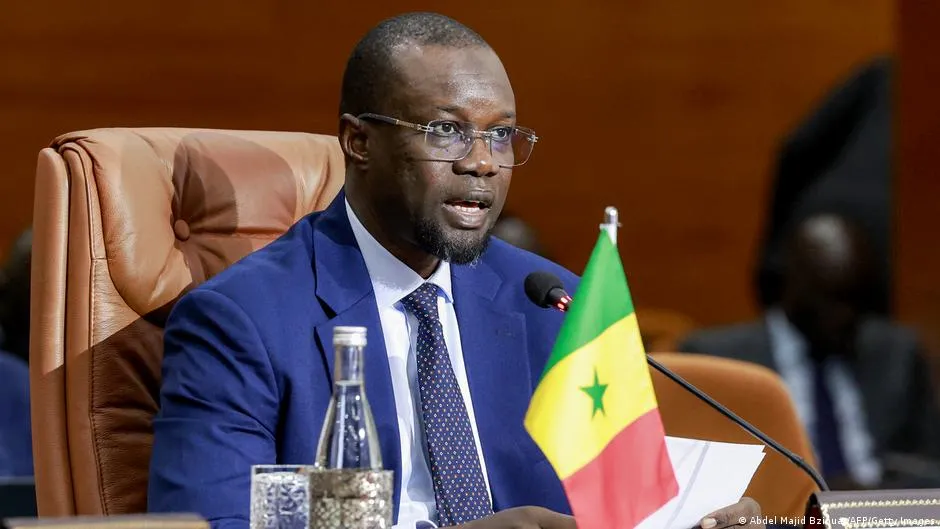
The political landscape in Senegal is currently marked by significant tension between Bassirou Diomaye Faye, the President of the Republic, and Ousmane Sonko, the newly appointed President of the National Assembly. This ongoing conflict is severely undermining the serenity of democratic discourse. Civil society leaders and journalists have expressed concerns regarding a prevailing atmosphere of intimidation within the country. Critics or opponents of Ousmane Sonko often find themselves the targets of intense smear campaigns on social media, driven by fervent members of his political party, Pastef, which is currently in power. This hostile climate has led to a form of self-censorship among the media and public, as individuals fear digital or physical reprisals for voicing dissenting opinions.
Following his appointment as Prime Minister in early April 2024, Ousmane Sonko has made alarming statements aimed at the media, declaring, "We will no longer allow the media to write whatever they want about individuals, under the guise of so-called press freedom, without any reliable sources." These remarks have raised red flags about the potential erosion of press freedoms in Senegal, a country that has traditionally prided itself on its democratic values.
Threats to Judicial Independence and Women's Rights
Furthermore, Ousmane Sonko has consistently questioned the credibility of the Senegalese judicial system. For instance, in November 2025, during a meeting, he condemned the resistance from certain judges who obstruct financial investigations, alleging that they uphold the very "system" he has publicly criticized since his entry into politics. Such statements have not only provoked backlash from the judiciary but also highlight the fragility of judicial independence in Senegal.
In addition to these political tensions, there are troubling signs regarding the protection of women's rights in Senegal. Activists, including feminist leader Ossama Monique Sagna, have pointed to a regression in the safeguarding of women’s rights, particularly with respect to the implementation of the parity law established in 2010. Sagna notes that the current government, under Ousmane Sonko, has seen a decrease in the number of female ministers compared to the last government of Macky Sall, which boasted seven female ministers. Under Sonko, the representation dropped to just four, amounting to approximately 13% of the cabinet. This decline has sparked discussions, criticisms, and disenchantment among the public regarding the political representation of women in decision-making spheres.
Moreover, Sagna emphasizes that the core feminist demands remain largely unchanged and unaddressed. She points out the continued need for reforms in the Family Code, which still contains discriminatory provisions against women, as well as the effective implementation of the Maputo Protocol concerning reproductive rights and the protection of women from violence. Sadly, the last few years have seen a disturbing increase in cases of femicide and gender-based violence, with around 18 femicides reported in 2025 alone. This alarming trend has triggered outrage throughout the country, yet there has been a notable lack of strong governmental response to these grave issues.
As reported by amp.dw.com.