Patrice Motsepe, the President of the Confederation of African Football (CAF), is set to embark on an official visit to Morocco this Thursday with a clear mission: to enhance solidarity across the continent and propel development projects in collaboration with local stakeholders. During his stay, Motsepe will lead a high-level meeting alongside Fawzi Lekjaâ, the President of the Royal Moroccan Football Federation, as well as several prominent figures from North African football. This visit is part of an intense tour aimed at rebuilding connections and restoring consensus within African football, following recent tensions stemming from a controversial decision surrounding the conclusion of the last Africa Cup of Nations, which Motsepe had previously addressed in Senegal.
The upcoming meeting is expected to cover strategic priorities that transcend the day-to-day competitive landscape. Key agenda items may include initiatives to promote youth football and women's football, enhance infrastructure, and better coordinate continental competitions. The overarching goal is to establish actionable strategies to ensure the sustainable and orderly growth of African football.
Furthermore, Motsepe and Lekjaâ plan to discuss the transformation of CAF's governance model, focusing on three fundamental pillars: transparency, accountability, and sustainable financing. The agenda may also touch on Morocco's preparations for upcoming tournaments, technical knowledge exchange, and initiatives aimed at elevating the profile of African clubs on the global stage.
One of the critical purposes of this meeting is to align positions ahead of significant discussions within FIFA. In this regard, the leadership of African football seeks to strengthen unity among member federations, particularly concerning matters that could influence competition schedules and regulations.
As the meeting draws to a close, attention will be directed toward potential joint statements or announcements that may indicate new alliances or concrete projects. The outcomes of these discussions are deemed crucial for solidifying the relationship between CAF and its North African members, while also paving the way for broader consultations in the coming months.
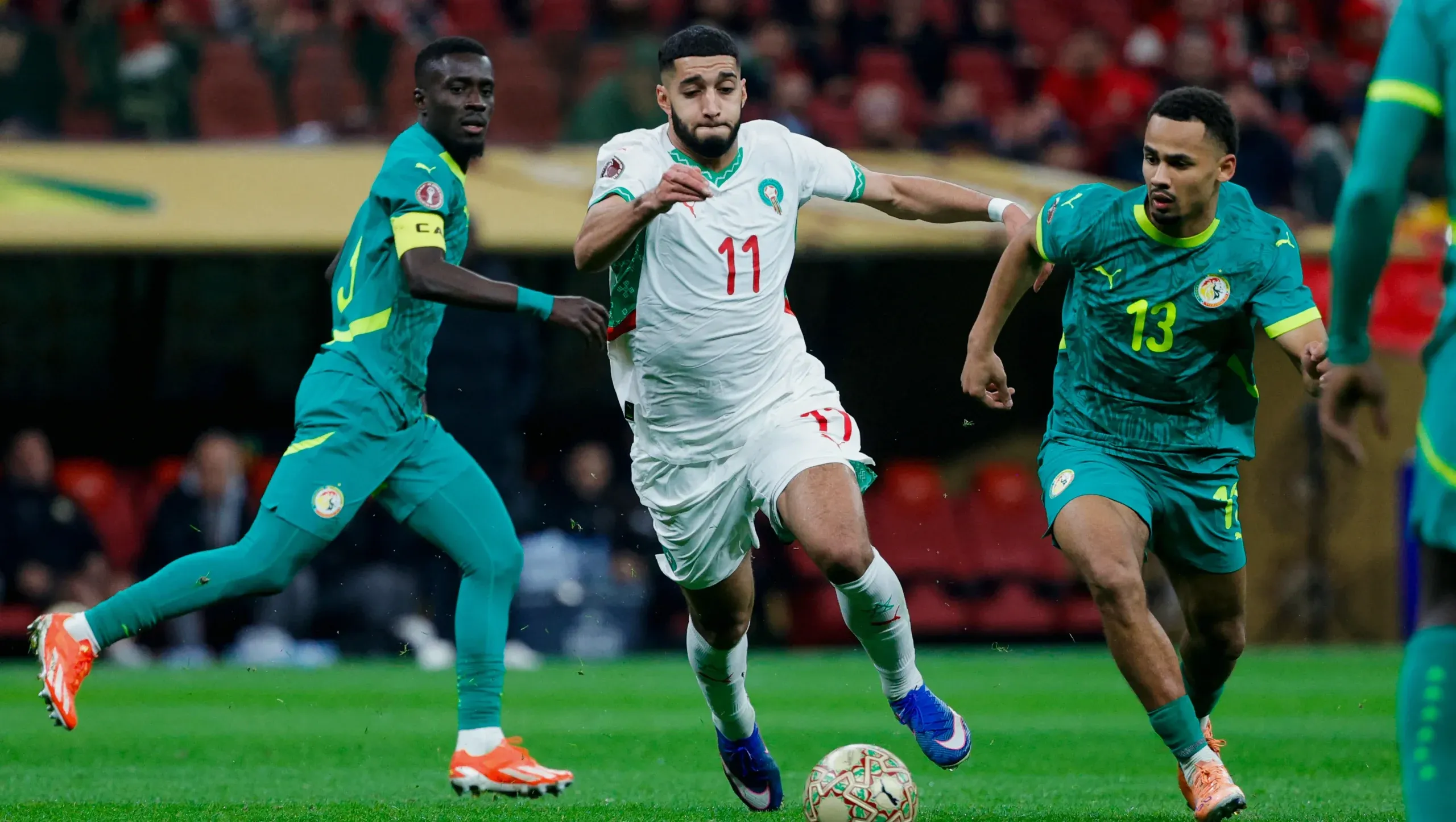
The backdrop of this visit cannot be detached from the ongoing conflict between Senegal and Morocco regarding the title of the 2021 Africa Cup of Nations. CAF controversially stripped Senegal's “Lions of Teranga” of the trophy and awarded it to Morocco, citing that Senegal had withdrawn from the final for approximately 15 minutes before their players returned to the pitch. This final was marred by contentious refereeing decisions and a highly charged atmosphere. Despite the controversial outcome, Morocco ultimately triumphed 1-0 in extra time, leading to a subsequent dispute over the tournament’s result.
Senegal promptly lodged an appeal with the Court of Arbitration for Sport (CAS), which will ultimately determine the rightful holder of the 2021 Africa Cup of Nations trophy. As this legal process unfolds, CAF emphasizes the importance of maintaining sporting integrity and adhering to its regulations. Meanwhile, the Senegalese federation argues that the result recorded on the field—a 1-0 victory during extra time—should prevail.
This case has garnered significant interest among fans and analysts, who view it as a test of CAF’s commitment to fairness and consistency in its decisions. With the CAS ruling still pending, African football continues to advance with its competitive calendar.
In the wake of the sub-championship and subsequent title award, Morocco is focused on its World Cup qualifying campaign, while Senegal remains in a state of anticipation, awaiting a resolution that could restore its “second continental crown.” The Senegal-Morocco issue is merely one aspect of a busy agenda for CAF, as Motsepe also aims to consolidate a unified stance in the face of significant challenges, from tournament organization to competitive integrity.
Meanwhile, on the international stage, discussions around the participation of Iran in the 2022 Qatar World Cup have surfaced, following their failure to secure automatic qualification. Additionally, the debate regarding the inclusion of transgender athletes in international football has reached unprecedented heights, with warnings from prominent figures in global football about the potential precedents that could arise from imposing bans.
Overall, Motsepe's visit to Morocco signifies an effort to stabilize African football during a period of intense institutional and competitive demands, reinforcing cooperation with a federation that has taken a leading role in organizing significant tournaments on the continent.
As reported by redamazonica.org.