
Spain Sees Significant Voluntary Returns of Migrants
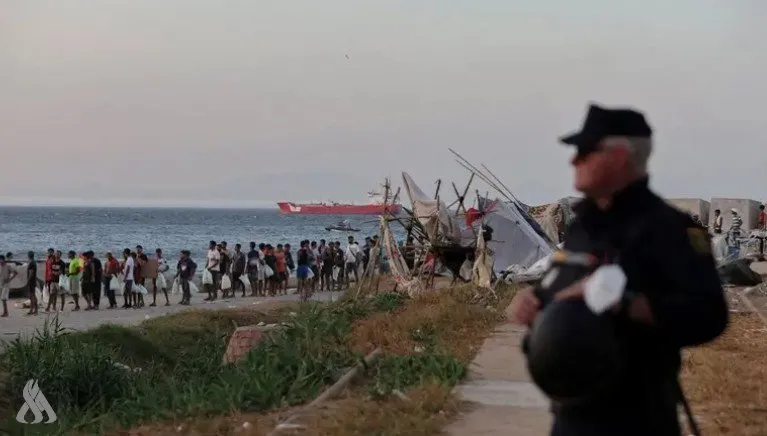
In a recent announcement, the Spanish government reported that more than 5,300 migrants have voluntarily returned to Morocco in the past month. This move comes in the wake of a massive influx of migrants into Ceuta, a Spanish enclave on the North African coast, which occurred in late July. Minister of Territorial Policy, Angel Victor Torres, revealed that since August 10, a total of 5,321 individuals opted to go back to Morocco after the surge in arrivals, which had overwhelmed local resources and sparked intense discussions about migration policies between the central government and Ceuta's conservative local authorities.
Among those who returned, 90 individuals withdrew their applications for international protection, indicating a shift in their intentions following the crisis. Approximately 1,000 more migrants are currently undergoing registration processes to finalize their return, although the exact number of migrants still remaining in Ceuta post-return remains unspecified. This situation continues to fuel debates on how best to manage migrant flows and the support systems available for those seeking refuge in Spain.
Temporary Shelters Expanded Amid Ongoing Challenges
In response to the recent influx and the ongoing need for adequate housing for migrants, Spain's Ministry of Migration has announced the creation of 864 additional temporary shelter spaces, increasing the total capacity to around 4,300. Plans are in place to further expand this capacity to 6,000 in the near future, reflecting the government's commitment to addressing the challenges posed by migration. The unprecedented event of July 30 and 31 saw over 70,000 arrivals in Ceuta, leading to significant humanitarian and logistical challenges, although many migrants returned to Morocco shortly thereafter, highlighting the complex and often fluid nature of migration in this region. The Spanish government's actions exemplify the ongoing struggles and policy responses surrounding migration in Europe, as nations grapple with the realities of humanitarian crises and the need for effective management strategies.
As reported by ina.iq.