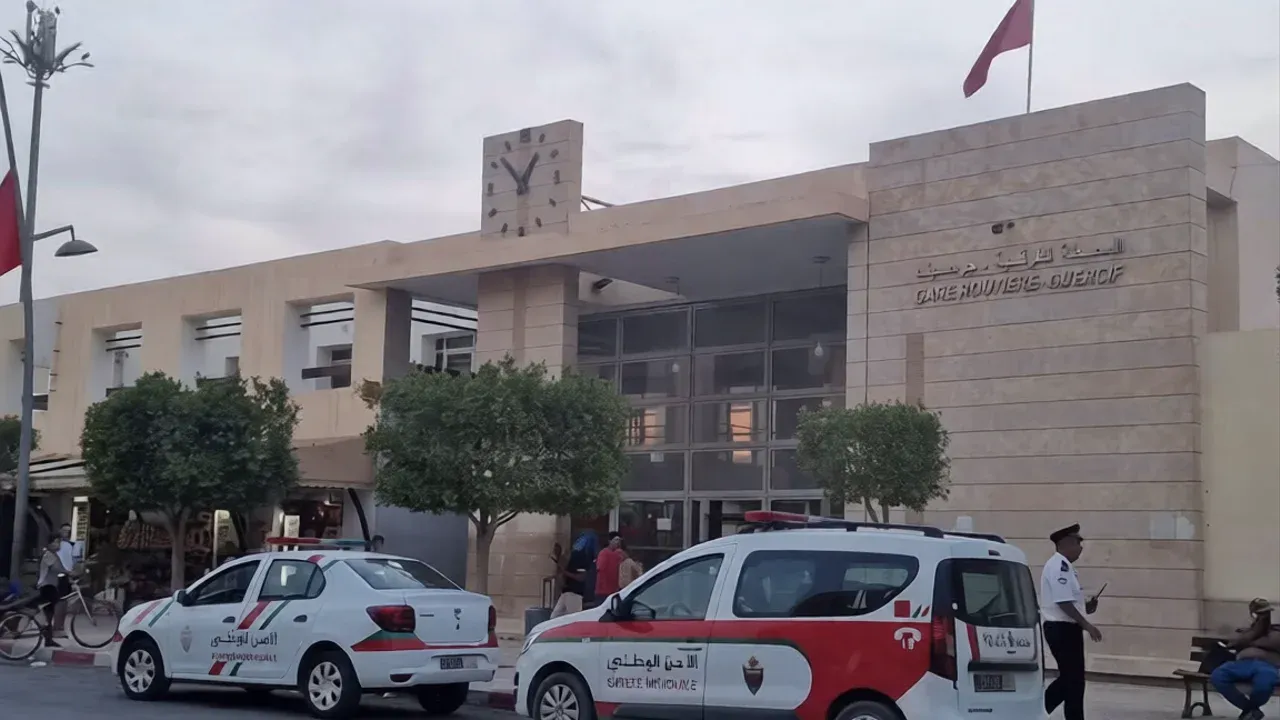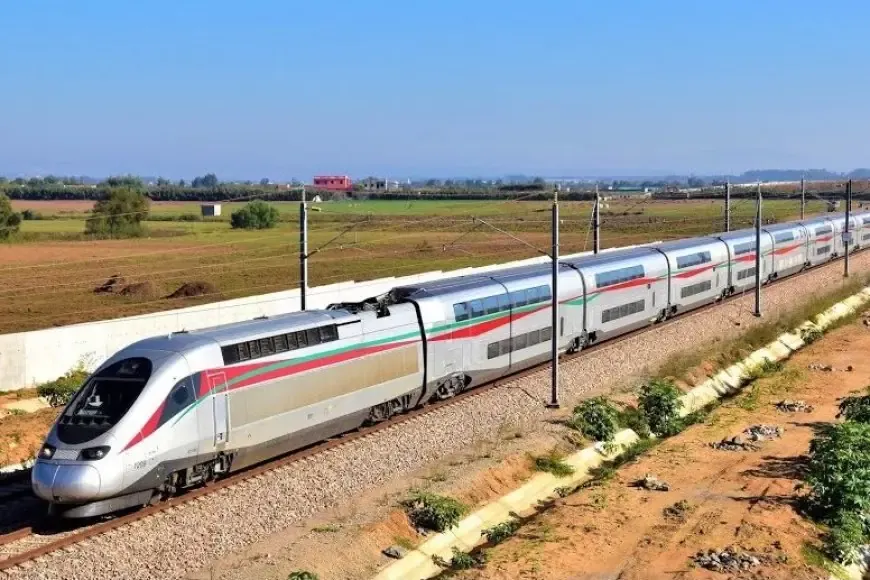


The National Office of Railways (ONCF) has initiated a significant phase in the development of new train stations between Kenitra and Casablanca by launching a tender valued at approximately 480 million dirhams. This project is set to construct six new stations as part of a broader initiative aimed at enhancing the national railway network and connecting it with the high-speed train line extending towards Marrakech. The tender, identified as number 26T057/PLGV, was officially published on September 17, 2026, and encompasses the construction of stations at Sidi Taybi, Sidi Bouknadel, Sidi Abdallah, Sala Tabriquet, Ain Atiq, and the new city of Zenata. The ONCF has bundled these six projects under a single contract, setting a provisional guarantee at six million dirhams and requiring electronic submission of bids while not accepting alternative proposals.
It is important to note that the launch of this tender does not signify the commencement of construction work. Instead, it opens a phase for selecting the contractor or consortium that will execute the project according to the specified technical and financial conditions. This step forms part of a gradual programming strategy for building passenger stations, following the completion of the architectural design announced by the ONCF last April.
Enhancing Train Connectivity and Capacity
The new stations are not exclusively geared towards servicing high-speed trains; rather, they are integrated into a plan to reorganize train operations along the Kenitra-Casablanca corridor. This reorganization aims to separate high-speed trains from regional and commuter services, thereby increasing the network's capacity to meet rising demand and improving the punctuality of services in one of the most densely populated urban areas in the country.
Stations like Sidi Taybi, Sidi Bouknadel, Sidi Abdallah, Sala Tabriquet, and Ain Atiq hold particular significance in the future vision for rail transport in the Rabat-Salé-Kenitra region. These stations are positioned on the anticipated route for a high-speed regional rail network that will connect Kenitra with Skhirat, providing a collective alternative for daily commuters between residential areas and workplaces or educational institutions. According to the disclosed plan, the urban network will span approximately 54 kilometers and feature 12 stations, with a potential frequency of a train every 15 minutes. Once operational, this service is expected to reduce wait times, alleviate road congestion, and enhance connectivity between the capital's suburbs and the cities and centers along the route.
Zenata and Urban Transport in Casablanca
The Zenata new city station is a crucial component of the urban rail transport system for Casablanca, which is also preparing to enhance its offerings and expand its capacity through additional routes. The importance of Zenata's location stems from the urban transformations occurring in the area between Mohammedia and Casablanca, necessitating the adaptation of collective transport systems to accommodate the growing mobility needs of the population.
The expansion plan aims to increase the number of rail routes between Mohammedia and Naasar to six, with two lines dedicated to high-speed trains, two for commuter services, and two for other trains. This distribution requires the expansion of at least 40 technical facilities, ensuring the continuity of various services while minimizing overlaps between trains with different speeds and operational functions. Simultaneously, the station project runs parallel to the ongoing development of the high-speed rail line between Kenitra and Marrakech, which stretches approximately 430 kilometers. As of April 24, 2026, the ONCF reported the completion of nearly 20 million cubic meters of excavation and embankment work, alongside the initiation of 15 major technical structures and three covered tunnels at Casablanca Airport, Zenata, and Ain Atiq.
The total length of these tunnels is approximately 1.5 kilometers, and the project includes the construction of 92 structures for crossing railways or roads. Furthermore, around 2.5 million tons of gravel and more than 100,000 tons of steel rails have been procured, reflecting the scale and logistical demands of this initiative.
The stations at Zenata and Ain Atiq are located within the scope of extensive works associated with the project, where a covered tunnel is being constructed at each site. The overarching design focuses on separating different modes of rail movement to enhance safety, flexibility, and operational frequency while continuing to operate trains on the existing network during the construction period, particularly in the Casablanca area, where significant projects are expected to persist until the end of 2027.
The overall investment program, valued at 96 billion dirhams, encompasses the construction of approximately 600 kilometers of electrified rail, along with nine maintenance centers and specialized technical facilities. The budget allocated for expanding the high-speed rail network between Kenitra and Marrakech is about 53 billion dirhams, excluding the cost of trains, as part of a broader railway investment program amounting to a total of 96 billion dirhams.
This program also includes the acquisition of 168 trains at a cost of 29 billion dirhams, as well as a budget of 14 billion dirhams for developing the existing network and related infrastructure. This approach combines the expansion of lines, construction of stations, fleet renewal, and enhancement of operational conditions, paving the way for a network that can better accommodate urban growth and the mobility needs between economic hubs.
The practical outcomes of these investments hinge on adhering to construction timelines, ensuring quality in station facilities, and integrating services with buses and local transport. The success of commuter stations cannot solely be measured by their construction; it also depends on accessibility, availability of parking, clarity of information for travelers, and the suitability of facilities for individuals with disabilities. Furthermore, the regularity of train schedules and ticket pricing will be critical factors in transforming this project into a competitive daily alternative to private cars, especially for students and workers, during various times of the day and on weekends. The new tender for the six stations brings a practical dimension to this program, transitioning it from planning and programming to the contracting process in preparation for implementation. It also highlights that the high-speed train project is not limited to connecting major cities; rather, it accompanies a comprehensive restructuring of train operations and the development of commuter services, potentially expanding the base of beneficiaries from the railway investment along the Atlantic corridor.
As reported by attasiaa.com.