Moroccan Elections Set to Shape Future Amid Youth Discontent
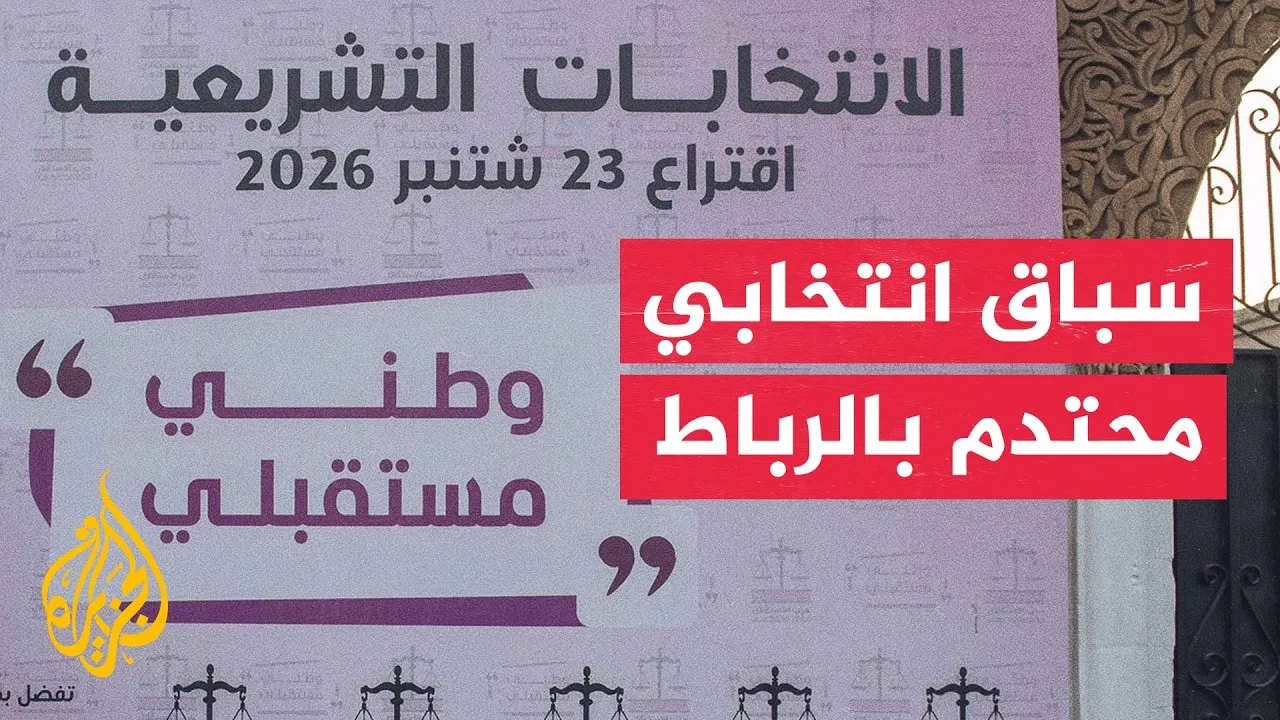
On September 23, 2026, Morocco will hold parliamentary elections that could significantly influence the future of the nation, particularly regarding the ambitious $20 billion initiative aimed at preparing for the 2030 World Cup. The upcoming elections are crucial as they will shape the government responsible for directing economic benefits towards the country’s increasingly disenchanted youth, who have been vocal about their aspirations and frustrations. Recent events, such as the mass border rush to the Spanish enclave of Ceuta and protests led by the younger generation, underscore a growing urgency for government action to address the concerns of this demographic.
While the elections are unlikely to disrupt the existing power dynamics—where the king wields extensive authority over policy-making, defense, and international relations—the new parliament will bear the responsibility of implementing various initiatives aimed at curbing youth discontent. The current ruling coalition, comprising three parties, recently displaced a moderate Islamist party that had taken power following the 2011 Arab Spring protests, which prompted the king to grant more powers to elected officials before later reasserting control over key governmental areas.
Voter Turnout and Economic Promises Shape the Political Landscape
Polling stations will open at 8 a.m. and close at 7 p.m., with preliminary results expected to be released on the following day. The turnout, especially among young voters, will be meticulously monitored as it serves as a critical indicator of public trust and engagement in the electoral process. Out of approximately 27 million eligible voters in Morocco, only 15.8 million are currently registered, reflecting a concerning 12% decline in registration since the 2021 elections.
The major political players in contention include the ruling National Rally of Independents (RNI) and the Authenticity and Modernity Party (PAM), both of which have committed to creating around one million jobs over the next five years while also promising improvements in housing, wages, and healthcare. Despite their coalition, these parties have exchanged blame during the campaign for their inability to combat rising food prices and other policy failures, leading PAM leaders to distance themselves from future coalitions with RNI if they emerge victorious.
Prime Minister Aziz Akhannouch, who has led the government since 2021, will not be seeking reelection after stepping down from his role as RNI leader earlier this year. In a notable shift, Fouzi Lekjaa, the budget minister and head of Morocco's football federation, has joined PAM's leadership shortly before the elections. Morocco’s infrastructure investments to prepare for the World Cup, which it will co-host with Spain and Portugal, are projected to reach about 190 billion dirhams (approximately $20 billion), representing nearly 12% of the nation’s GDP in 2024.
Other political entities vying for influence include the conservative Istiqlal party and the Islamist Justice and Development Party (PJD), the latter of which experienced a severe defeat in the previous elections. As Morocco stands on the brink of this pivotal election, the decisions made by its electorate will undoubtedly shape the nation’s trajectory towards addressing the pressing needs of its youth and ensuring sustainable economic growth.
As reported by bellinghamherald.com.