
Understanding Morocco's Dual Economic Landscape
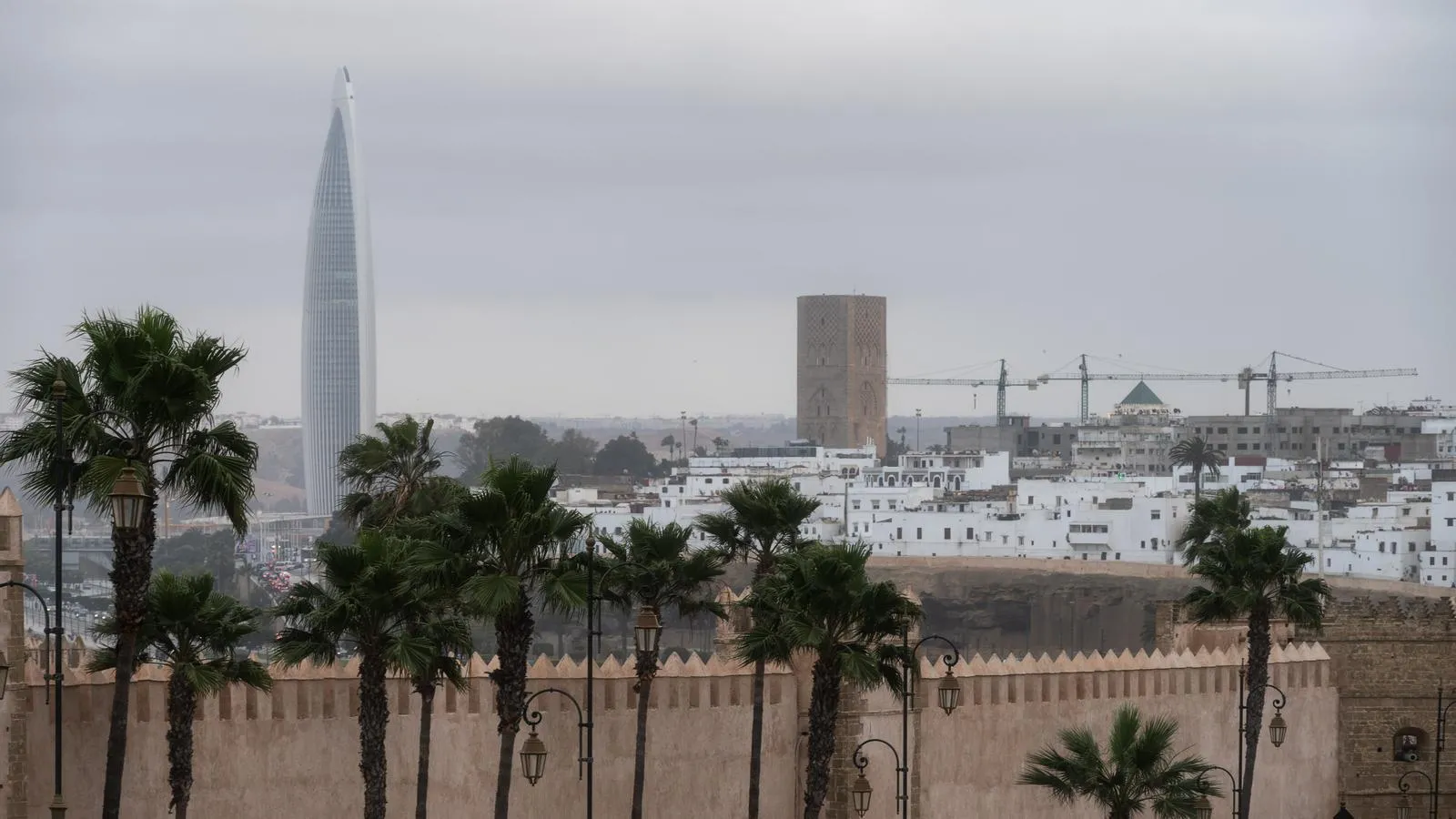
In recent years, Morocco has made headlines for its impressive economic advancements, including the inauguration of Africa's first high-speed train and the development of the Tangier port into a Mediterranean hub. Yet, beneath this veneer of progress lies a stark reality characterized by significant social and economic challenges. The country’s ambitious infrastructure projects and investments in sectors such as green hydrogen, which exceed 30 billion euros, have not translated into equal opportunities for all citizens. A closer examination reveals that youth unemployment remains alarmingly high, with official statistics indicating rates of 37%, while the overall unemployment rate hovers around 13%. This disparity highlights a troubling trend where the benefits of growth are not reaching the younger demographic, leading to widespread disillusionment.
The Impact of Unemployment and Social Unrest
Despite Morocco's economic growth, the reality for many young citizens is one of precarious employment and diminishing job prospects. A World Bank report cites a severe lack of job creation needed to accommodate the rapidly growing working-age population, with an estimated 370,000 jobs required each year, a target that remains unmet. This situation is exacerbated by climate change, particularly in rural areas where drought and desertification have decimated job opportunities, particularly for women whose labor participation rates are notably low. In response to these systemic issues, the youth-led Gen Z 212 movement has emerged, voicing concerns over inadequate public services and calling for increased investment in education and healthcare. Their protests have resonated with many, reflecting a generation frustrated by the stark contrast between their expectations and the realities they face.
As the country approaches its next legislative elections, the youth's growing disinterest in the political process is palpable. High rates of electoral abstention, particularly among younger voters, signal a deep-seated mistrust in a political system perceived as corrupt and ineffective. The monarchy's overarching influence, coupled with a political landscape fraught with oligopolies and limited competition, further complicates the situation. Observers note that while the kingdom's political structure allows for some level of electoral participation, ultimate power lies with the monarchy, which has led to a climate where dissent is often met with repression. As Morocco grapples with these complex challenges, it stands at a crossroads, needing to balance economic development with genuine political reform to ensure that all citizens benefit from the nation's growth.
As reported by en.ara.cat.