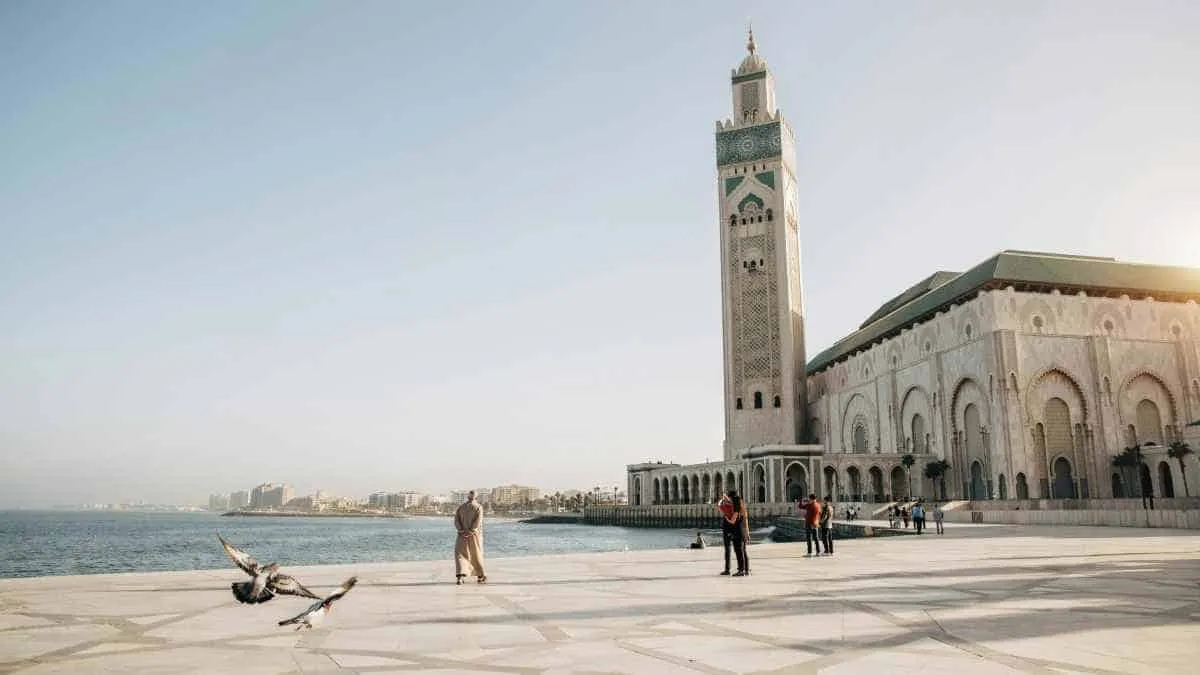
Morocco is witnessing a significant evolution in its tourism sector, as travelers increasingly venture beyond the well-trodden paths of its iconic cities. While renowned destinations like **Marrakech** and **Casablanca** continue to draw millions of visitors, a notable surge in interest is now being observed in lesser-known regions, including **Rabat**, **Tangier**, **Ouarzazate**, and **Errachidia**. This transformation is largely driven by the government’s strategic initiative, dubbed “Light in Action,” which aims to decentralize tourism and promote authentic cultural experiences across the country.
The strategy has successfully encouraged tourists to explore secondary cities that offer a rich tapestry of cultural heritage, diverse landscapes, and luxurious nature-based accommodations. As a result, these cities are enjoying record increases in hotel stays, showcasing Morocco's potential beyond its traditional tourism circuit. For example, Rabat has experienced an impressive **42%** rise in premium hotel overnight stays, signaling a growing international interest in its historical sites, modern architecture, and vibrant urban life. Attractions such as the Hassan Tower, Kasbah of the Udayas, and the Mohammed VI Museum of Modern and Contemporary Art are becoming increasingly popular among travelers.
Expanding Horizons: The Growth Beyond Marrakech and Casablanca
Although Marrakech and Casablanca remain the cornerstones of Moroccan tourism, the latest statistics indicate that the most remarkable growth is occurring in other regions. For instance, Marrakech has seen a **7%** increase in visitor activity, while Casablanca boasts a staggering **36%** rise. However, the trend of multi-city itineraries is gaining traction, whereby travelers are opting to combine visits to Morocco's historic imperial cities with breathtaking desert landscapes and stunning Atlantic coastlines. This shift not only spreads tourism revenue more evenly across the country but also bolsters regional economic development.
Tangier, located at the convergence of the Mediterranean Sea and the Atlantic Ocean, is also reaping the rewards of the tourism resurgence, with a **31%** increase in premium hotel stays attributed to enhanced hospitality investments and improved transport infrastructure. The city’s unique cultural and artistic offerings, such as the Tangier Medina and Hercules Caves, are enticing a new wave of visitors seeking both relaxation and enrichment.
Desert Escapes and Longer Stays: Catalysts for Economic Growth
The allure of Morocco’s desert regions, particularly **Ouarzazate** and **Errachidia**, is becoming an essential part of the country’s tourism narrative. Ouarzazate has recorded a **35%** growth in premium accommodation, while Errachidia has seen a **29%** increase. These areas are emerging as premier destinations for luxury desert experiences, with travelers drawn to boutique eco-lodges, luxury Sahara camps, camel trekking, and immersive cultural encounters with the Berber community. This trend reflects a global demand for sustainable and experience-driven tourism.
As a direct consequence of Morocco’s decentralization strategy, the average length of visitor stays is increasing. Tourists are now combining multiple destinations within a single itinerary, leading to greater spending on accommodations, local guides, dining, and cultural activities. Popular routes include major cities such as Casablanca, Rabat, Chefchaouen, and Merzouga Desert, which contribute to broader economic benefits for local communities.
With an extensive network of international airports and rail connectivity linking key cities, Morocco is well-positioned to accommodate this growing influx of tourists. Visitors can choose from a broad spectrum of accommodations, ranging from luxury hotels to eco-lodges and desert camps, ensuring a diverse and enriching experience.
In conclusion, Morocco's evolving tourism landscape, characterized by the “Light in Action” strategy, is reshaping the country’s visitor economy by encouraging exploration beyond traditional centers. While Marrakech and Casablanca continue to thrive, the remarkable growth in cities like Rabat, Tangier, Ouarzazate, and Errachidia highlights a burgeoning demand for authentic experiences, sustainable tourism, and cultural richness. As Morocco positions itself as a dynamic and diversified travel destination, the benefits of this strategy are set to bolster local economies and enrich the cultural fabric of its communities.
As reported by travelandtourworld.com.