The expertise hubs of the Friedrich Naumann Foundation for Freedom enhance the international profile of the organization, enabling collaborative work across regions by focusing on globally relevant policy issues. These concerns encompass international finance and economic policy, digital policy, security, development, and human rights. Our core mission is to realize freedom and responsibility, fostering the establishment of democratic, market-oriented, and rule-of-law structures to ensure that more individuals can thrive in liberal, democratic societies. With our headquarters in Potsdam and offices across Germany and over 60 countries worldwide, we strive to promote liberal political solutions to European challenges through the networking of EU experts, civil society, and decision-makers.
Together with our liberal partners, we develop formats and campaigns aimed at promoting the rule of law, free markets, and human rights. Additionally, we coordinate EU co-funded projects in the fields of democracy promotion, development cooperation, and human rights protection. From our seven offices, we actively support political debate to advocate for innovative liberal approaches and solutions. Our initiatives serve as platforms where foundation partners from the Gulf to the Levant and across the southern Mediterranean can generate creative impulses and discuss geopolitical contexts.
In Sub-Saharan Africa, our focus is primarily on political networking, advocating for the strengthening of liberalism alongside the promotion of human rights, rule of law, and a social market economy. In North America, we emphasize the transatlantic partnership, which we view as a cornerstone for the security and stability of Western democracies. Actively shaping political dialogue on both sides of the Atlantic, we seek to develop innovative liberal approaches, underpinned by a vibrant dialogue based on tolerance and mutual understanding. It is our goal to promote these fundamental values and further develop them through intercultural exchange.
In Asia, the foundation supports programs that strengthen democratic processes, particularly free and fair elections and transparent, accountable governance. The foundation in the region also showcases innovations in citizen participation that advance freedom. As a rocket strikes Tehran, screens in Casablanca turn red. Investors sell off assets, drivers check fuel prices, and diplomats carefully weigh their words. The war in the Middle East is no longer a distant spectacle that concerns only military analysts and Western foreign ministries; it intrudes into Morocco's economic, diplomatic, and psychological balance. External conflicts often act as catalysts, revealing dependencies, exposing contradictions, and brutally reminding us that sovereignty is measured less by rhetoric than by the ability to absorb shocks and leverage crises for influence.
Morocco's reaction to U.S.-Israeli airstrikes against Iran and Tehran's retaliatory measures has highlighted this dynamic. Rabat condemned the Iranian rocket attacks on Gulf monarchies but refrained from any public criticism of the operations conducted by Washington and Tel Aviv. This selective silence is not a sign of indecision; rather, it stems from a conscious strategic calculation intertwining economic considerations, diplomatic necessities, and, most importantly, the central importance of the Sahara issue in Morocco's foreign policy.
The relationship between Rabat and Tehran has been tense for decades. Iran's recognition of the Sahrawi separatist movement in the early 1980s, Moroccan accusations of Iranian support for the Polisario Front through Hezbollah, and suspicions of cyberattacks have established a lasting rivalry. The diplomatic break in 2018 further solidified this climate. Under these circumstances, Morocco's neutrality towards Western bombings appears less a moral stance and more a position aligned with a structural hostility. For Rabat, Tehran is also a factor in the strategic equation concerning the Sahara.
This historical dimension is compounded by a crucial factor: the nature of Morocco's alliances. Since the Abraham Accords, relations with the United States have gained new depth. Washington remains a central strategic partner, particularly due to its recognition of Moroccan sovereignty over the Sahara and its role in international discussions surrounding this issue. Security cooperation with Israel fits into this architecture more as an extension of the American-Moroccan axis than as a standalone approach. In this context, criticism of a U.S.-backed military operation would weaken an important diplomatic alliance. Consequently, Morocco's restraint follows the logic of safeguarding overarching interests.
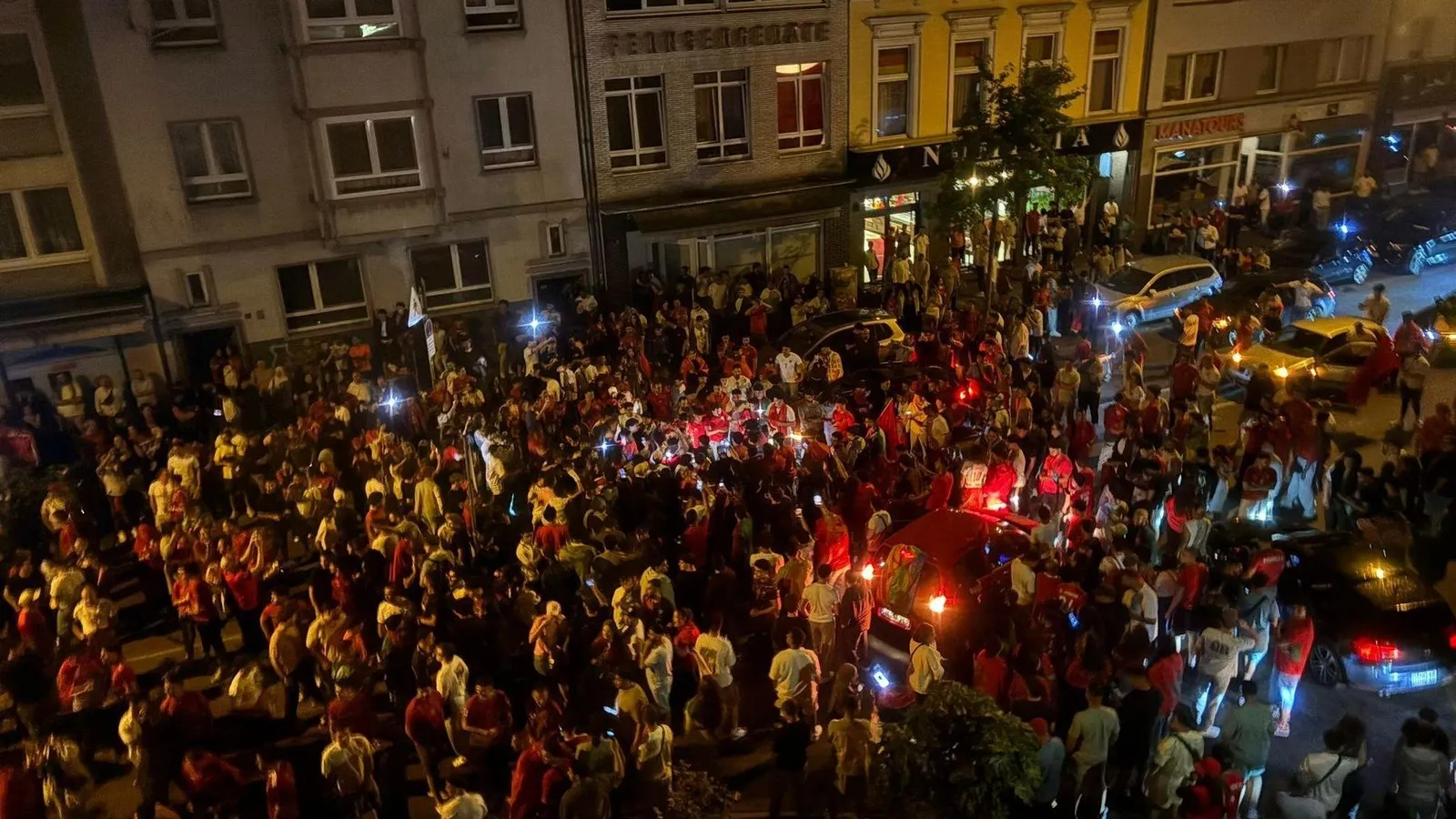
However, this realpolitik is not without domestic repercussions. A segment of the Moroccan public continues to view the crises in the Middle East through a strong emotional and symbolic lens, marked by solidarity with the civilian population and the central importance of the Palestinian cause. Solidarity demonstrations in various cities for Iran, along with criticism from political parties or militant movements, reflect a growing divide between the state's strategic interests and the public perception of events. In a media landscape flooded with war images and competing narratives, this tension could intensify, fostering greater political and social polarization.
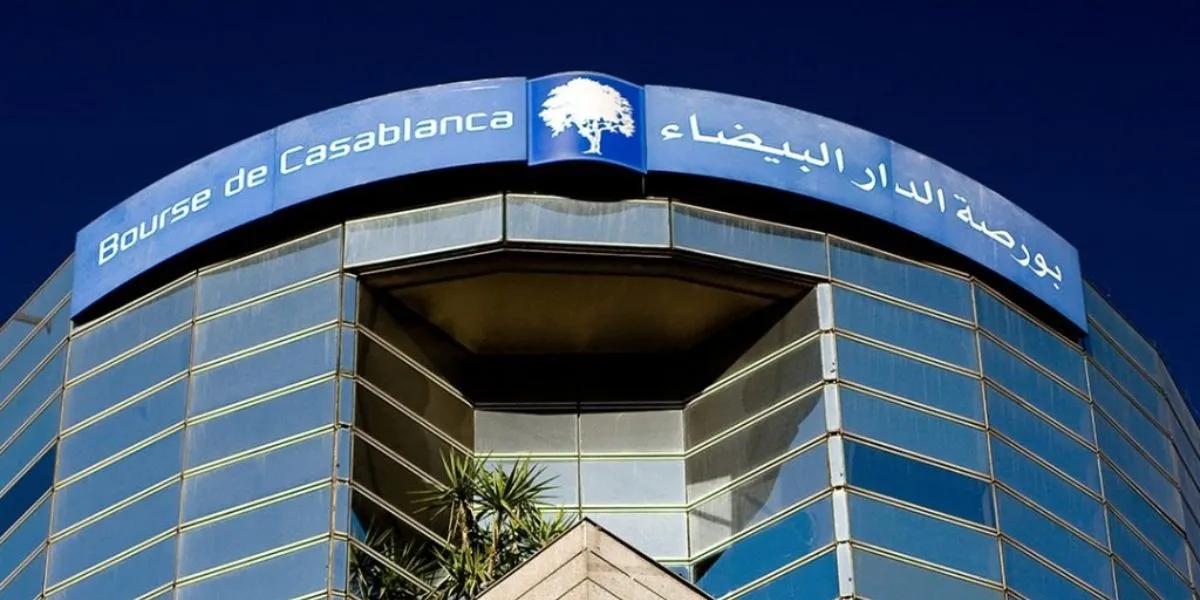
On an economic level, the war acts as an unyielding catalyst. The drastic drop in the Casablanca stock market following the initial airstrikes underscored the vulnerability of a tight and concentrated financial market, where a few large companies suffice to amplify panic reactions. While the conflict did not cause this structural vulnerability, it heightened awareness of it. In a globalized environment, the perception of geopolitical risks is now enough to trigger rapid portfolio adjustments, highlighting that national economic stability largely depends on exogenous factors.
The energy issue is undoubtedly one of the most concrete challenges of this phase. As a country that imports almost exclusively fossil fuels, Morocco remains exposed to fluctuations in world market prices. The rise in oil prices connected to tensions surrounding the Gulf Strait has already led to an increase in fuel prices. In the medium term, imported inflation could strain growth, purchasing power, and the trade balance, especially if the conflict persists. The recurring questions regarding the actual scope of strategic reserves and the transparency of storage facilities underscore a deeper concern: that of unfinished energy sovereignty.
Nonetheless, the crisis cannot be reduced to a mere listing of weaknesses. It also redefines Morocco's role in European economic strategies and the logistical balance in the Europe-Mediterranean region. Against the backdrop of this accelerated geopolitical reordering, Morocco's relative stability gains significance that extends beyond a purely national framework. As the kingdom lies outside direct conflict zones, unlike the Gulf states, it is perceived by several European capitals as a space of strategic continuity.
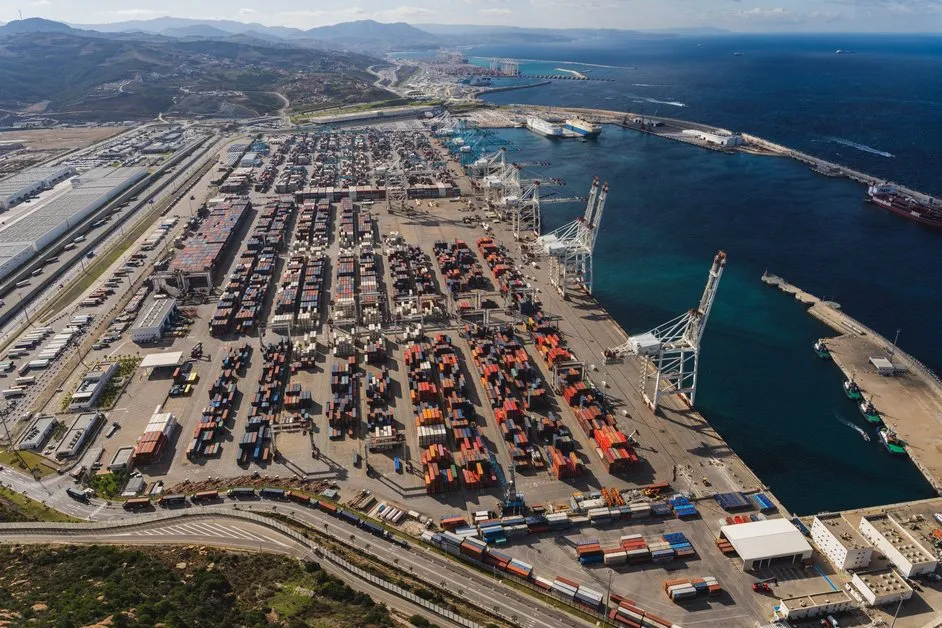
The unrest surrounding the Strait of Hormuz and Bab el-Mandeb, the expansion of shipping routes, and the structural increase in freight costs amplify interest in the Atlantic axis and Moroccan port infrastructures, particularly Tanger Med, which is now viewed as an alternative corridor for securing trade flows between Europe, Africa, and America.
This reorientation also supports strategies for the partial repatriation of industry, driven by Berlin and other European partners, to bring their value chains closer to their markets. In the fields of aviation, automotive, and renewable energy, Morocco is increasingly establishing itself as a nearby production site that offers both political stability and logistical connectivity, along with integration into Europe-Mediterranean trade agreements. The war in the Middle East not only undermines the global energy balance but also indirectly accelerates Morocco's repositioning as a strategic interface between Europe and its new economic horizons.
This ambivalence shapes Morocco's stance on the conflict. On one hand, there is a palpable vulnerability to energy, financial, and diplomatic shocks. On the other, there is an increasing ability to reposition itself amid ongoing geopolitical upheavals. The conflict acts as a mirror, revealing both the dependencies and ambitions of a nation in strategic transition.
The real question may not be whether Morocco can completely insulate itself against international turbulence; in a connected world, such an illusion no longer makes sense. Rather, it is about discovering how to transform these crises into drivers for national consolidation. Anticipating shocks, diversifying alliances, accelerating the energy transition, and strengthening the depth of financial markets are all tasks that transcend the current economic situation.
For behind the rockets and fluctuations in oil prices, a quieter struggle unfolds: the battle for states' ability to maintain their autonomy in an unstable international system. For Morocco, the war in the Middle East is not just another geopolitical episode; it represents a test of its resilience model—and perhaps an opportunity to transform its position at the margins of conflict into a strategic focal point in the new order of middle powers.
As reported by freiheit.org.