Morocco's Position in the Shifting Global Trade Landscape
The global trade landscape is undergoing significant transformation, largely driven by intensified tariff policies from the United States, which have created a unique opportunity for Morocco. As highlighted by recent projections from the World Trade Organization, global merchandise trade is expected to experience a notable slowdown, with growth forecasted at merely 0.5 percent in 2026, a sharp decline from 2.4 percent in the previous year. This situation is not merely a temporary fluctuation but signals the onset of a structural change in international trade, characterized by the rise of trade barriers and the unraveling of the hyper-globalization model that has dominated the past thirty years. The pivotal shift from 'Global Sourcing' to 'Friend-shoring' indicates a growing emphasis on supply chain security over cost efficiency, presenting Morocco with a strategic advantage.
As US tariffs on Chinese imports climb to an unprecedented 35 percent, the competitiveness of Chinese manufacturing for American and European markets is severely undermined. In stark contrast, Morocco benefits from a mere 10 percent minimum tariff rate imposed by the Trump administration, positioning it favorably against regional rivals like Tunisia and Algeria, which face tariffs of 28 percent and 30 percent respectively. Moreover, Moroccan manufacturing operations stand at a considerable advantage compared to Asian hubs that are subjected to tariffs ranging from 30 to 49 percent. This advantageous tariff structure could enable Morocco to attract companies seeking to mitigate geopolitical risks while shortening their supply chains.
Seizing the Opportunity: The Need for Transformation
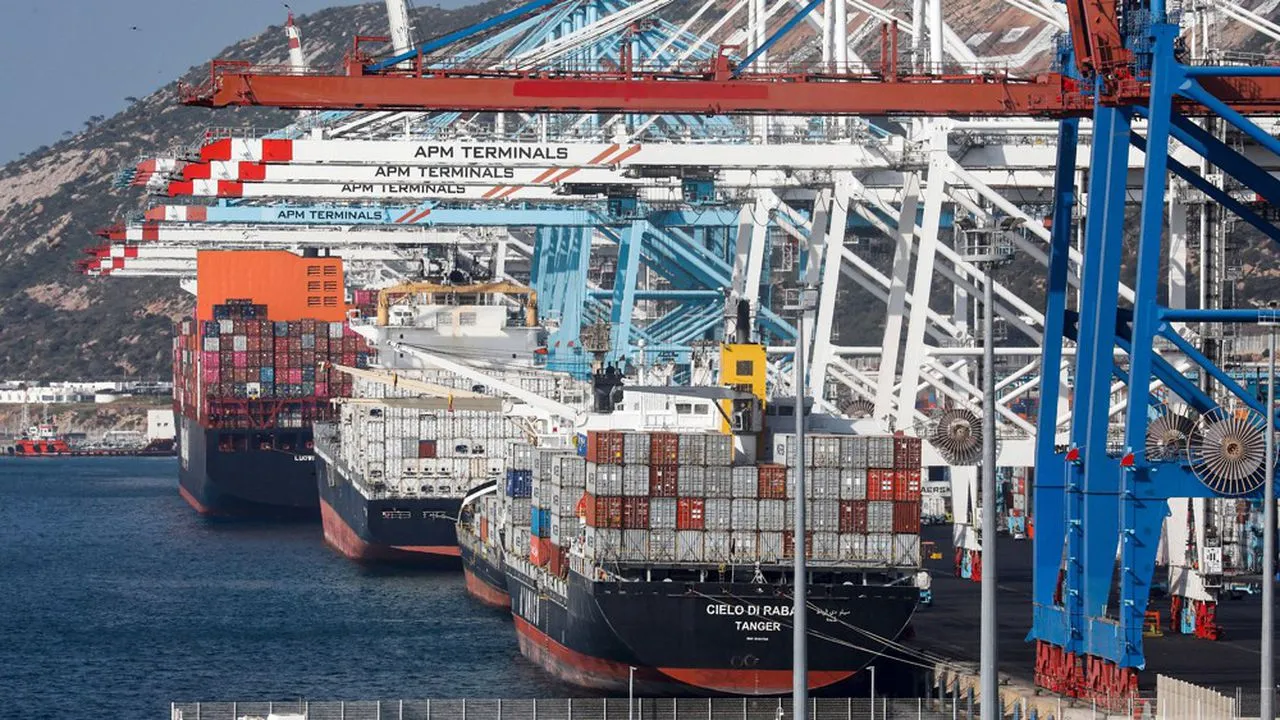
Morocco's geographical proximity to European markets, combined with its political stability and burgeoning logistics infrastructure—exemplified by the Tanger Med port, one of the top container ports globally—offers a compelling case for nearshoring. However, Younès Ait Hmadouch, a professor of financial economics at Ibn Tofail University, emphasizes that this opportunity is time-sensitive and requires immediate action from Moroccan stakeholders. While robust physical infrastructure is essential, it is not sufficient by itself; Morocco must leverage its geographical advantages to enhance its productive capacity, particularly in high-value, decarbonized production that aligns with the sustainability commitments of European buyers.
The challenge lies in establishing a strong value proposition on Moroccan soil. This necessitates addressing the persistent disconnect between the skills provided by the nation's education and vocational training systems and the demands of advanced industrial sectors. The World Bank's recent $500 million employment program underscores this gap as a crucial structural constraint. While Morocco is well-positioned geographically and enjoys macroeconomic stability, the window for transforming global disruptions into sustainable industrial growth is limited. The nation must act decisively to capitalize on this moment of opportunity.
As reported by northafricapost.com.