Innovative Water Solutions in Morocco
The African nation of Morocco is proactively devising a strategic plan aimed at ensuring a reliable supply of potable water and revitalizing its agricultural sector, particularly in the wake of years plagued by severe drought conditions. The escalating water scarcity faced by various countries has compelled their leaders to rethink their water management strategies and seek alternatives in an era marked by increasingly extreme climate conditions. In a forward-thinking move, Morocco has opted to take the lead by implementing a large-scale strategy centered around seawater desalination—a technology that transforms saline ocean water into drinkable freshwater. This approach is viewed as pivotal for addressing recurrent droughts and securing water supplies for the coming decades.
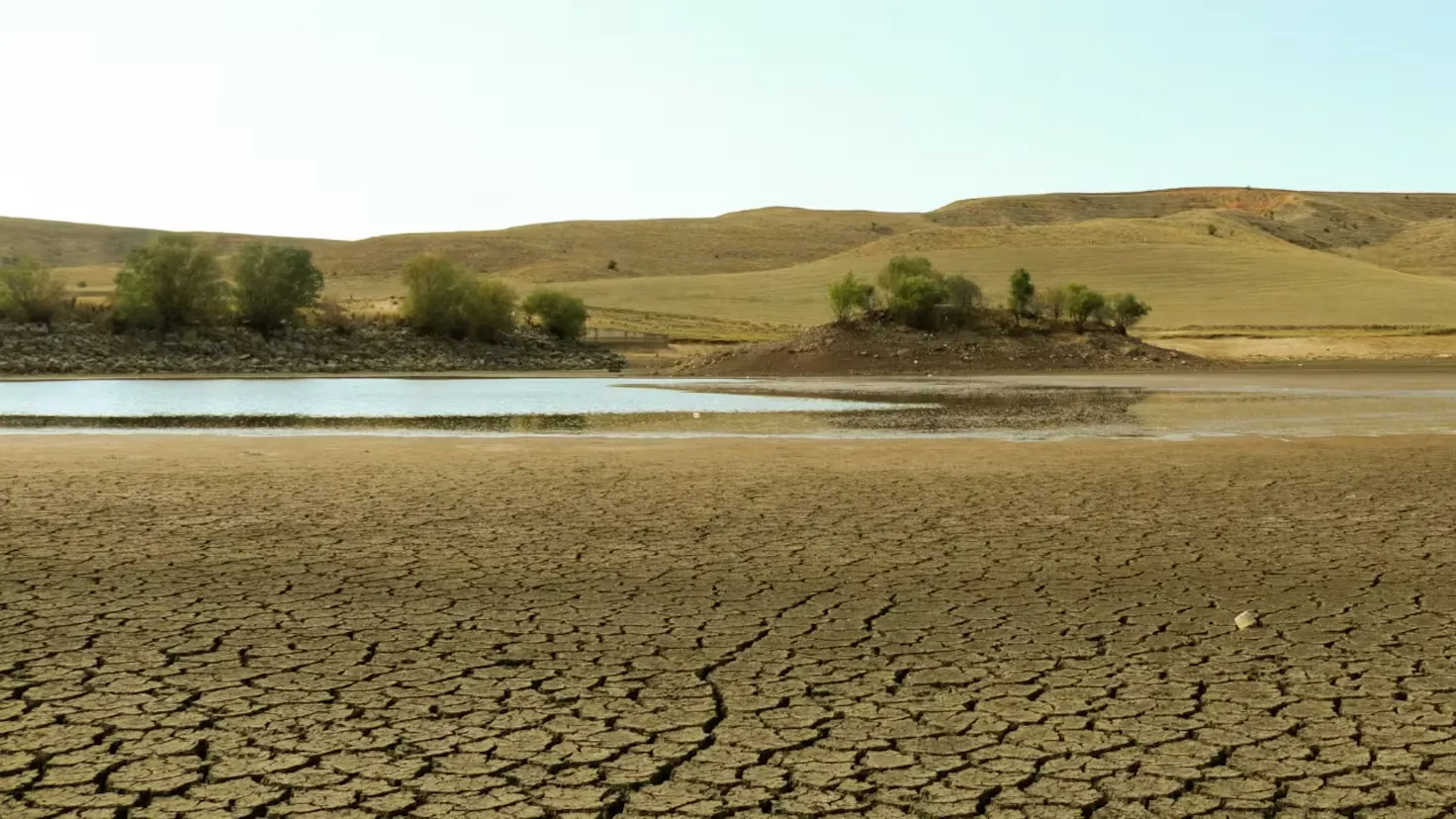
After enduring one of the most severe droughts in its recent history, which lasted for seven years and led to historic lows in reservoir levels alongside significant pressure on the agricultural sector, Morocco has initiated an ambitious national plan designed to reduce its dependence on rainfall and traditional freshwater reserves. By 2030, the country aims to ensure that 60% of its drinking water is sourced directly from the ocean. The strategy involves supplying coastal cities with desalinated water obtained from the Atlantic Ocean, while reserving freshwater reserves and rainwater for interior regions and the most vulnerable agricultural areas.
Building Resilience Through Desalination
The cornerstone of this transformative project is situated approximately 40 kilometers south of Casablanca, where Acciona is constructing a desalination plant valued at around $650 million. This facility is poised to become the largest desalination plant in Africa, powered by clean energy generated from a substantial wind farm, and is expected to commence operations in 2027, achieving full capacity by 2028. This monumental construction will provide nearly 79 billion gallons of potable water annually, sufficient to meet the needs of approximately 7.5 million individuals in the metropolitan area of Casablanca while also irrigating around 20,000 acres of agricultural land. This mega-project is part of a broader national water plan, estimated to cost $14 billion, which encompasses new dams, wastewater recycling initiatives, and an extensive network of large pipelines known as "water highways," designed to transport surplus water from the northern regions of the country to the drier southern areas.
Currently, Morocco operates 17 desalination plants, with an additional 11 either planned or under construction. The production of desalinated water has surged in recent years, reaching approximately 108 billion gallons annually—nine times the output recorded in 2021—highlighting the rapid pace at which the country is transforming its water management model.
However, one of the significant challenges associated with desalination remains its high energy and environmental costs. Most plants utilize reverse osmosis systems, a process that demands substantial energy to separate salt from water. Furthermore, experts caution regarding the complex management of brine, the highly saline waste generated during the process. For every liter of freshwater produced, a considerable volume of wastewater with high concentrations of salt and chemicals is created, which, if not managed properly, can severely disrupt marine ecosystems and create oxygen-deficient zones in the ocean.
Nevertheless, Morocco’s most pressing water challenge lies in its agricultural sector, which accounts for approximately 87% of the country's water usage and has been significantly impacted by drought, undermining both production and rural employment. In light of this situation, desalination has emerged as a crucial solution, particularly in agricultural regions such as Souss-Massa, where it facilitates the maintenance and expansion of crops intended for export, albeit at a higher cost.
As reported by as.com.