The annual report by Bank Al-Maghrib has provided an insightful analysis of the performance of the real estate market in Morocco, confirming a general "increase" in property prices across most major cities in the kingdom for the year 2025, despite notable "variations" among the principal urban centers.

Rabat Leads in Prices While Marrakech Drives Transactions
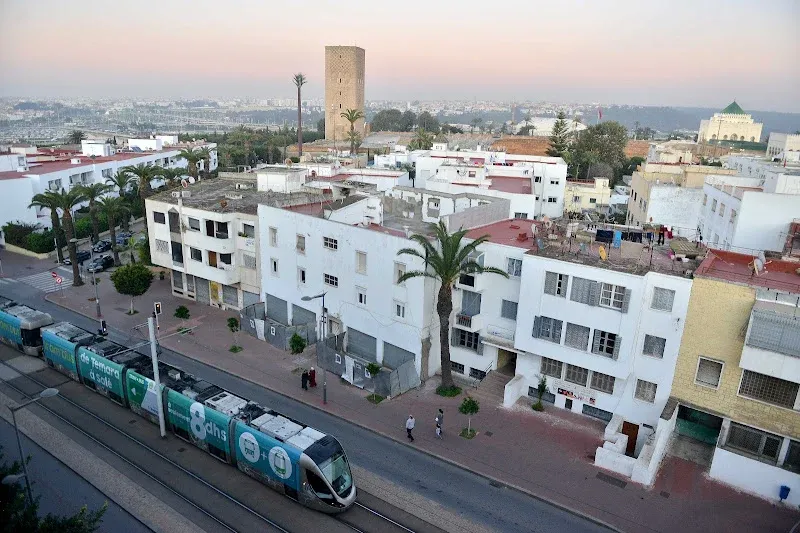
According to official data presented in the central bank's annual report, which was unveiled yesterday before the King, the capital city of Rabat topped the list of cities experiencing significant "price hikes," recording the largest increase of 3.6% by the end of 2025. Conversely, the city of Fez witnessed the lowest rate of property price increase in Morocco, stabilizing at a mere 0.2%. This stark contrast underscores the clear disparities in real estate valuation dynamics among the various major urban hubs.Overall, the real estate asset index confirmed a year-on-year "vitality of transactions and demand." The property market has maintained its "appeal and activity" despite the continuous rise in prices. This vibrancy was reflected in the increased volume of real estate transactions across most cities, with Marrakech leading this positive trend, achieving an exceptional jump in transaction volume of 29.9%. Notably, the report also documented a decline in sales volume in only two cities, Agadir and Kenitra, reaffirming that the desire for investment and property acquisition remains robust and a driving force for the national market as a whole.
In general, the report indicated a continued "weak growth" in property prices observed over the past two years, recording an increase of 0.6% in 2025. This growth impacted all asset categories, with residential properties and urban land both experiencing a 0.9% rise, while properties designated for professional use saw a 0.3% increase. In terms of transactions, following a strong rise of 19.6% in 2024, the overall volume increased by 6.6%, including 10.3% for land, 12.4% for properties intended for professional use, and 4.9% for residential properties.

Liquidity Requirements Eased and Interest Rates Lowered
In 2025, the monetary conditions witnessed a notable shift reflecting the "accommodative" monetary policy pursued by Bank Al-Maghrib aimed at bolstering economic activities and stimulating financing and enterprises. Bank liquidity improved, marking a "decrease in the need for liquidity," stabilizing around 128.7 billion dirhams on average.The official document also addressed the "impact of tax settlement," highlighting that the monetary conditions primarily benefited from a "decrease in the volume of circulating cash," linked to the voluntary settlement processes of individual taxpayers. Throughout the last fiscal year, Bank Al-Maghrib engaged in a "loose monetary policy," which was manifested in the decision to lower the main interest rate to 2.25% in March, aimed at supporting economic activity and reducing financing costs; the bank also continued to meet all liquidity requests from various banks with average weekly interventions amounting to nearly 140 billion dirhams. Looking ahead, forecasts suggest a "gradual increase in the need for bank liquidity," projected to reach around 143 billion dirhams by the end of the current year.
In a related aspect concerning "bank credit and economic financing," Bank Al-Maghrib reported a decrease in financing costs and the resilience of the sector, confirming that the "direct reflection of the accommodative monetary policy" significantly impacted financing costs and the banking credit market directed towards economic sectors and households. Interest rates on bank loans across various markets have declined, contributing to a revival in loans directed at enterprises and private companies, particularly "equipment loans" aimed at supporting capital investments. Overall, bank loans directed at the non-financial sector (including households and businesses) saw an increase of 4.8%. The annual report also noted a "slight slowdown" in the pace of household demand for loans, indicating that families and individuals are borrowing, but not at the same intensity or speed as in previous periods. In the category of "consumer loans," the report attributes the slowdown to a "clear change" in Moroccan consumer behavior, as household consumption experienced a notable deceleration in 2025, with the growth rate falling to just 1.2% (down from approximately 2.9% in 2024). Housing loans similarly experienced a "slight slowdown," reflecting a sense of caution among families; with disparities in property prices and the rising costs in some major cities (like Rabat), citizens tend to hesitate before committing to long-term bank loans, preferring to wait for price stabilization or an improvement in their purchasing power. Despite the slowdown in spending and changing economic conditions, non-performing loans (i.e., debts faced with repayment difficulties) remain stable at just over 8% of total loans. Although the total volume is high, exceeding 100 billion dirhams for the entire sector, borrowers' ability to meet their obligations continues to demonstrate flexibility and resilience in the face of economic fluctuations. Overall, bank credit directed towards the non-financial sector continued its upward trajectory, achieving growth of 4.8%, albeit with a slight slowdown in the growth rate of loans aimed at households, whether for consumer credit or for home acquisition.
As reported by hespress.com.