Understanding Morocco's Football Renaissance
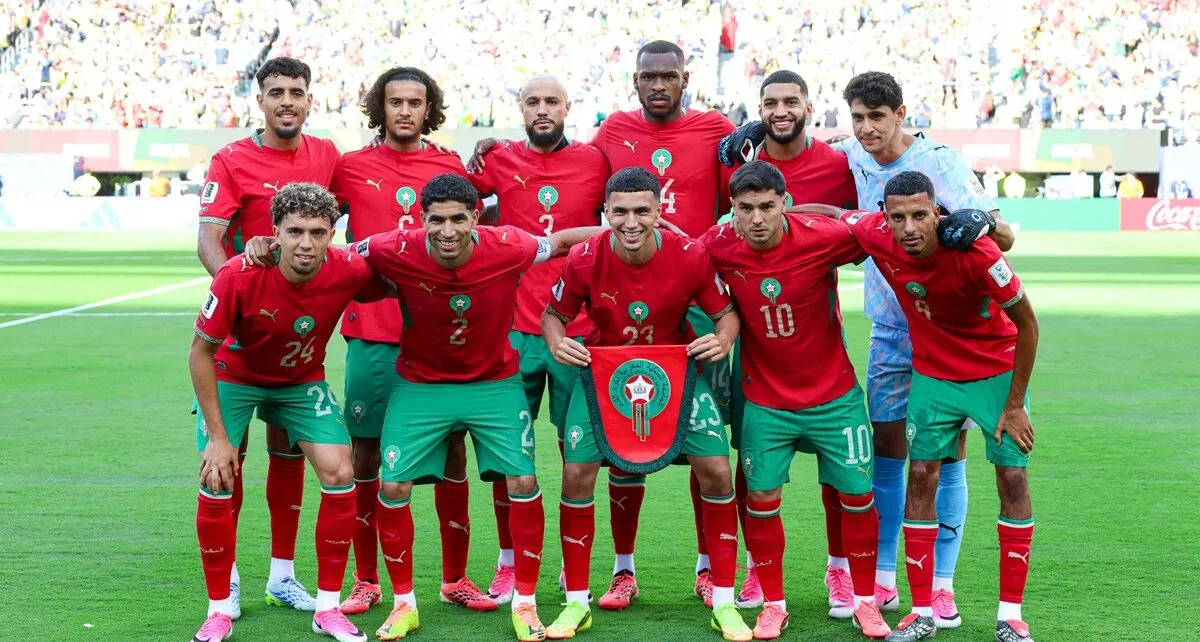
Recent discussions among Western and Arab media, as well as some football analysts, have attempted to frame Morocco’s remarkable performances in the World Cup as primarily a result of foreign-born talent. However, such narratives fail to acknowledge the extensive groundwork laid over many years through strategic planning and investment in football infrastructure by the Royal Moroccan Football Federation. This long-term vision has been instrumental in cultivating a competitive national team capable of making a significant impact on the global stage, as evidenced by Morocco's impressive run to the semifinals in the 2022 World Cup.
Critics often point to the fact that numerous Moroccan players have been born or developed in European nations, suggesting that this somehow diminishes the authenticity of Morocco's achievements. This perspective overlooks the essential truth that these players maintain a deep connection to their Moroccan heritage, identity, and culture. Although they had the opportunity to represent European football powerhouses, these athletes made the conscious choice to play for Morocco, turning down lucrative offers in favor of their roots. Such decisions reflect a profound sense of belonging and commitment to their homeland, rather than a mere opportunistic approach.
Beyond the Diaspora: The Depth of Moroccan Football
The discussion around migration, dual nationality, and diaspora identities in football is not unique to Morocco; it is a common theme across many nations. Yet, when Morocco achieves success, the narrative often shifts from commendation to qualification, raising questions that are seldom posed with the same scrutiny towards other countries. Importantly, attributing Morocco's accomplishments solely to contributions from diaspora players neglects the rich and robust domestic football ecosystem that exists within the country.
Morocco has demonstrated its footballing prowess not only on the international stage but also at local and continental levels. The nation has clinched titles such as the African Nations Championship (CHAN)—a tournament exclusively for players active in local leagues—and the Arab Cup, showcasing the talent of homegrown players. These victories highlight the effectiveness of Morocco's national development system and the quality of its domestic talent.
At the club level, Moroccan teams have established themselves as formidable contenders in African competitions. Clubs like Wydad Casablanca, Raja Casablanca, Renaissance Berkane, and les FAR have consistently advanced to the latter stages of prestigious tournaments such as the CAF Champions League and the Confederation Cup, further solidifying Morocco's status as a powerhouse in African football.
The notion that Morocco's success might be perceived as less legitimate due to its diaspora players raises broader implications. European football has long thrived on the exceptional talents of players with African roots, who have significantly contributed to the success of both European leagues and national teams. However, when these same players opt to represent their countries of origin, it is often viewed through a critical lens, interpreted as a weakness rather than a show of strength.
Ultimately, Morocco's approach should be celebrated as a success story. It exemplifies how a nation can effectively integrate diaspora talent while simultaneously fostering robust domestic development. This model reflects a confident national identity that embraces both its local roots and global influences, setting a powerful precedent for other nations to follow.
As reported by northafricapost.com.