
Formation of a New Government in Morocco
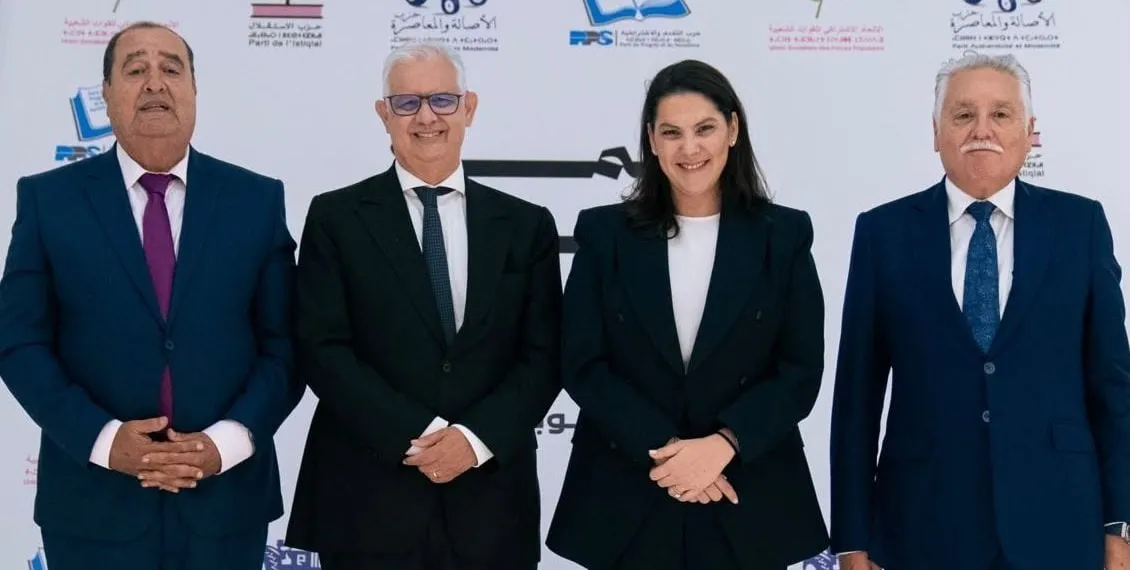
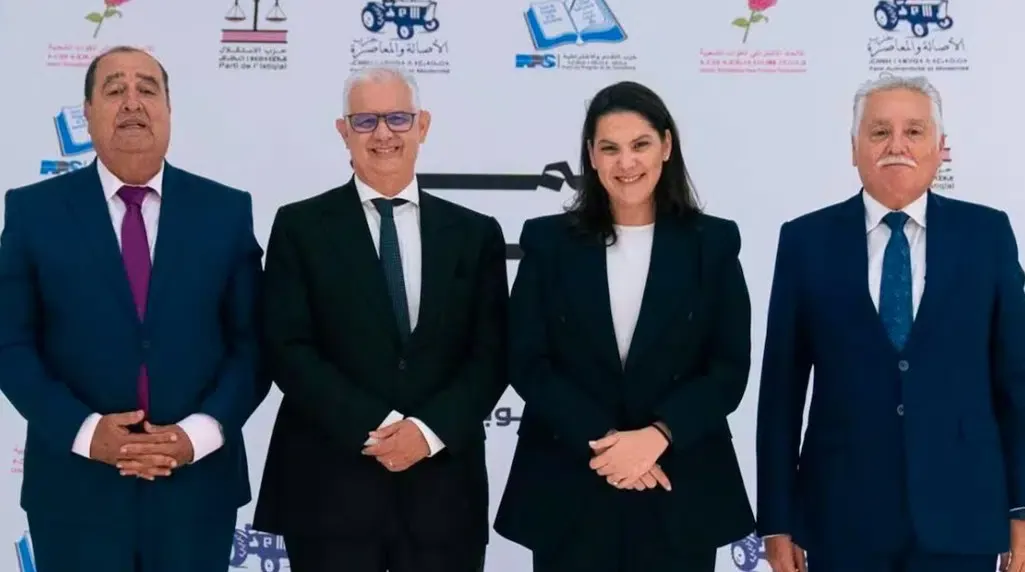
In a significant political development, Morocco's future governing majority has been established. Following two rounds of consultations, four parties represented in Parliament have agreed to form a coalition led by the designated Prime Minister, Fatima Ezzahra El Mansouri. The coalition, as announced in a joint statement on the evening of October 12, 2026, in Rabat, will include the Party of Authenticity and Modernity (PAM), the Istiqlal Party (PI), the Socialist Union of Popular Forces (USFP), and the Party of Progress and Socialism (PPS). This marks a momentous occasion as El Mansouri becomes the first female Prime Minister of Morocco, leading a center-left coalition that excludes the previous ruling party, the National Rally of Independents (RNI). Notably, two of the previous three government partners, PAM and Istiqlal, will remain part of the new government.
El Mansouri, who serves as the national coordinator of PAM, was appointed as Prime Minister by King Mohammed VI following her party's victory in the parliamentary elections held on September 23, 2026, in accordance with Article 47 of the Constitution. The coalition has cited shared goals and a unified reform agenda as the rationale behind their alliance, focusing on enhancing living conditions, promoting social justice, reducing regional disparities, and strengthening economic resilience. These objectives align with the priorities outlined by the King in his recent address to Parliament, emphasizing the need for internal political directives as articulated in his opening remarks.
Steps Towards a Collaborative Government
The next step for the coalition partners will be the formation of the cabinet. The four parties have committed to proposing candidates who meet the essential criteria of professional competence, political experience, and integrity. Concurrently, a joint government program will be swiftly developed to address the pressing needs of the nation. The coalition's formation is a crucial step in Morocco's political landscape, indicating a shift towards a more inclusive and reform-oriented governance structure.
As reported by maghreb-post.de.